UK Plans Food Tariff Cuts to Ease Costs
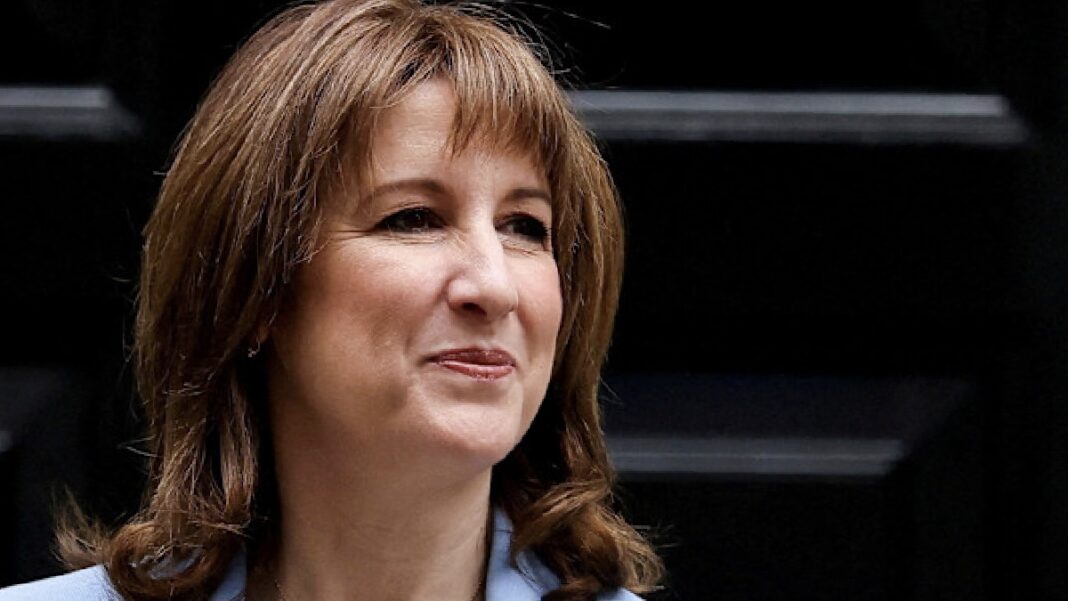
Chancellor Rachel Reeves is preparing to launch a new cost-of-living support package aimed at helping households manage rising prices linked to the Iran conflict and growing inflation pressures.
Speaking in the House of Commons on Thursday, Reeves will introduce the “Great British Summer Savings Scheme,” which includes free bus travel throughout August for children aged 15 and under. The initiative is designed to ease financial pressure on families during the summer holidays.
Reeves said protecting households from rising costs remains her top priority. She said the government wants families to enjoy the summer while receiving practical support through measures such as free travel for children.
The announcement follows Prime Minister Keir Starmer’s decision to delay planned fuel duty increases that had been scheduled for September and December. The government will also provide a 12-month vehicle tax holiday for lorry drivers and cut red diesel duty for farmers by one-third to help limit transport and agricultural costs.
However, the measures have attracted criticism. The Resolution Foundation argued that postponing fuel duty increases would mainly benefit wealthier households, while lower-income families continue to face the greatest pressure from rising food and energy prices. Economist Jonathan Marshall warned that poorer households remain financially vulnerable following previous energy shocks.
According to the Treasury, the package supporting motorists will cost approximately £400 million, although details on long-term funding and whether fuel duty will eventually rise in January have not yet been confirmed.
Alongside transport support, Reeves will announce plans to reduce tariffs on selected imported foods, including biscuits, chocolate, and dried fruit, in an effort to lower supermarket prices. The Treasury plans to consult on how the tariff cuts will be implemented.
A separate proposal encouraging supermarkets to offer fixed low prices on essential goods such as milk and eggs has reportedly been dropped after strong criticism from retailers. Stuart Machin, chief executive of Marks & Spencer, argued that government should focus on lowering taxes and reducing regulation rather than becoming involved in retail pricing.
Reeves faces growing economic challenges as the Iran conflict threatens to slow growth and increase inflation. Despite stronger economic performance earlier this year, uncertainty over energy supplies and shipping routes has complicated the outlook.
Her team highlighted that UK inflation fell to 2.8% in April, despite rising fuel prices linked to disruption around the Strait of Hormuz. Reeves is expected to provide further details on winter energy support, though Treasury officials say the scale of future utility bill increases remains uncertain.
Unlike the broad energy support packages introduced during previous crises, Reeves has indicated that any future assistance will be targeted rather than universal, reflecting the government’s effort to balance support for households with fiscal responsibility