Loss-Making Stores Push Morrisons Toward Closures
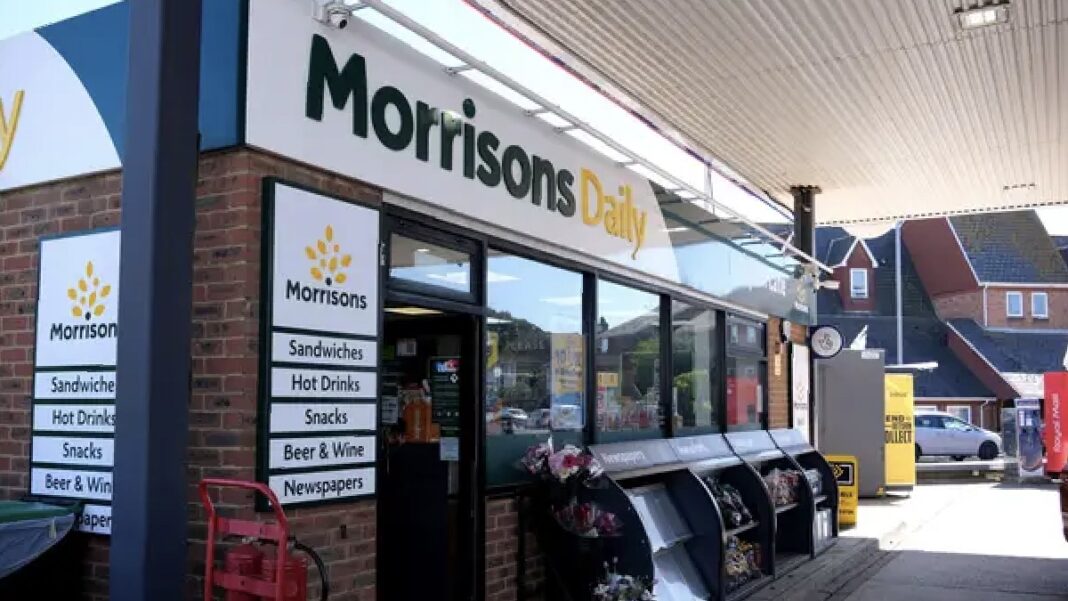
Morrisons has announced plans to close around 100 convenience stores over the coming months, citing ongoing financial pressures and rising operating expenses.
The supermarket chain said the stores affected are largely part of the Morrisons Daily network acquired through its purchase of McColl’s in 2022. According to the company, many of these outlets have struggled financially for years and continue to operate at a loss despite efforts to improve performance.
Morrisons linked the worsening situation to increasing business costs, which it said have been intensified by recent government policies. While the retailer did not identify specific measures, businesses across the sector have faced higher expenses from increased employer National Insurance contributions, rises in minimum wages, and additional environmental packaging charges.
The proposed closures follow earlier restructuring measures. Last year, Morrisons announced the closure of 52 cafés and 17 convenience stores, placing hundreds of jobs at risk. More recently, the company revealed that approximately 200 positions at its Bradford headquarters could also be affected.
A consultation process regarding the latest store closures is expected to begin shortly. Morrisons has not yet disclosed how many employees may face redundancy or which stores will be impacted.
Despite the planned closures, the retailer insisted it remains committed to expansion. Morrisons currently operates about 1,700 Morrisons Daily convenience stores and opened more than 120 franchise locations last year. The company said it has ambitious growth plans for 2026 and believes there is potential to launch hundreds of additional franchise stores in the future.
The wider retail industry has been grappling with mounting costs and persistent inflation. Newly released figures showed food inflation reached 3% in April, exceeding the overall inflation rate of 2.8% and remaining above the Bank of England’s 2% target.
Industry leaders have also voiced concern about future price pressures. Some analysts have warned that food inflation could climb further later this year due to global geopolitical tensions and supply chain challenges.
At the same time, reports suggest the government has encouraged supermarkets to voluntarily limit price increases on essential grocery items in exchange for possible regulatory relief. However, the proposal has sparked criticism within the sector.
Former Sainsbury’s chief executive Justin King argued that the UK grocery market is already intensely competitive and questioned calls for price controls while retailers face increasing policy-related costs.
Morrisons maintains that closing underperforming stores is a difficult but necessary step as it seeks to strengthen its business and focus on future growth opportunities.