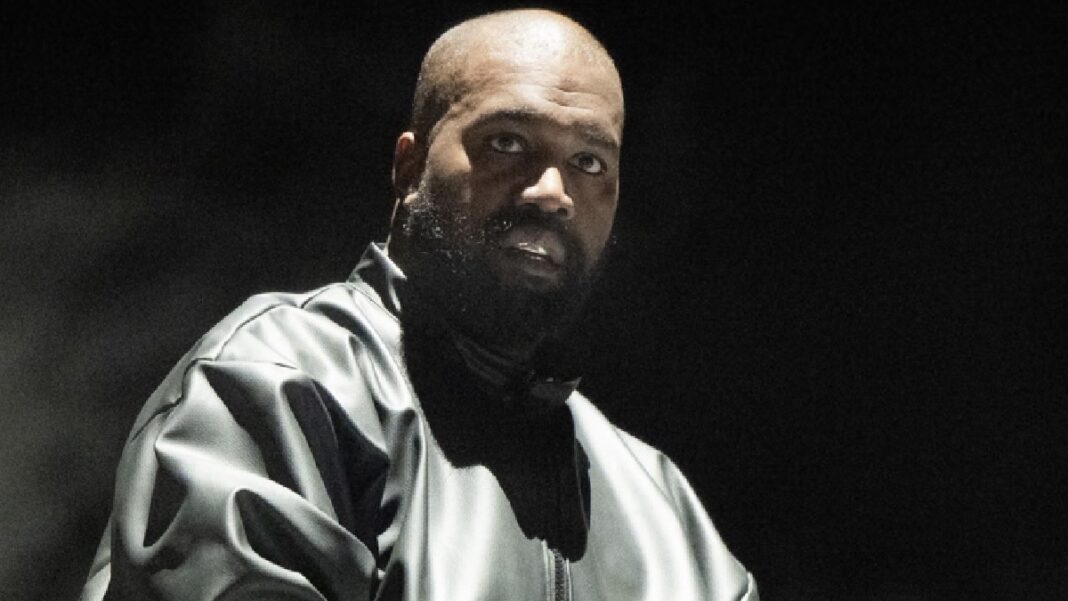
Ye banned from UK, Wireless Festival called off
The Wireless music festival scheduled for July in London has been cancelled after the artist formerly known as Kanye West, now legally called Ye, was denied entry into the United Kingdom due to controversy surrounding his previous antisemitic statements.
Ye had applied for permission to travel to the UK through the Electronic Travel Authorisation (ETA) system, but officials ultimately withdrew the approval after reviewing his past public remarks. The Home Office determined that allowing him into the country would not be considered beneficial to the public interest.
Festival organisers confirmed the cancellation in an official statement, explaining that refunds would be issued to customers who had already purchased tickets. They noted that consultations had taken place before booking Ye as the headline act, but acknowledged the seriousness of concerns raised about antisemitism and the impact such issues have on affected communities.
Ye has faced widespread criticism in recent years for comments widely condemned as antisemitic, including statements interpreted as praising Adolf Hitler. He also released a controversial song titled “Heil Hitler” and promoted clothing featuring a swastika symbol on his website. Earlier this year, Ye published a full-page apology in the Wall Street Journal, attributing his past behavior to struggles with bipolar disorder and expressing a willingness to engage in dialogue with the Jewish community.
Political figures also voiced concern about his appearance at the festival. Prime Minister Keir Starmer described the booking as troubling, given Ye’s record of controversial remarks. Government officials emphasized that entry decisions are made individually and that permission can be denied when individuals are considered to promote extremist views or pose risks to public safety.
The late decision to block Ye’s entry created logistical challenges for organisers, who had planned for one major headline act to perform across three consecutive days. Finding suitable replacement performers on short notice proved difficult, especially during a busy summer festival season when many artists already have fixed schedules.
Melvin Benn, managing director of Festival Republic, had previously stated that Ye’s appearance was intended solely as a musical performance and not as a platform for political views. However, the growing public and political pressure ultimately contributed to the cancellation of the event.
The decision also places Ye among several American public figures who have previously faced restrictions on entering the UK. Rapper Snoop Dogg was refused entry in 2007 following an incident at Heathrow Airport, though the ban was lifted a year later. Television personality Martha Stewart was barred from entry in 2008 after her conviction for financial offences. Rapper Tyler, the Creator was banned in 2015 over lyrics authorities claimed encouraged intolerance and violence; the restriction was lifted in 2019.
The cancellation of Wireless Festival highlights the ongoing challenges faced by the music industry when balancing artistic programming with public concerns about controversial figures.