DRC Ebola Cases Reach 344 as WHO Steps Up Response
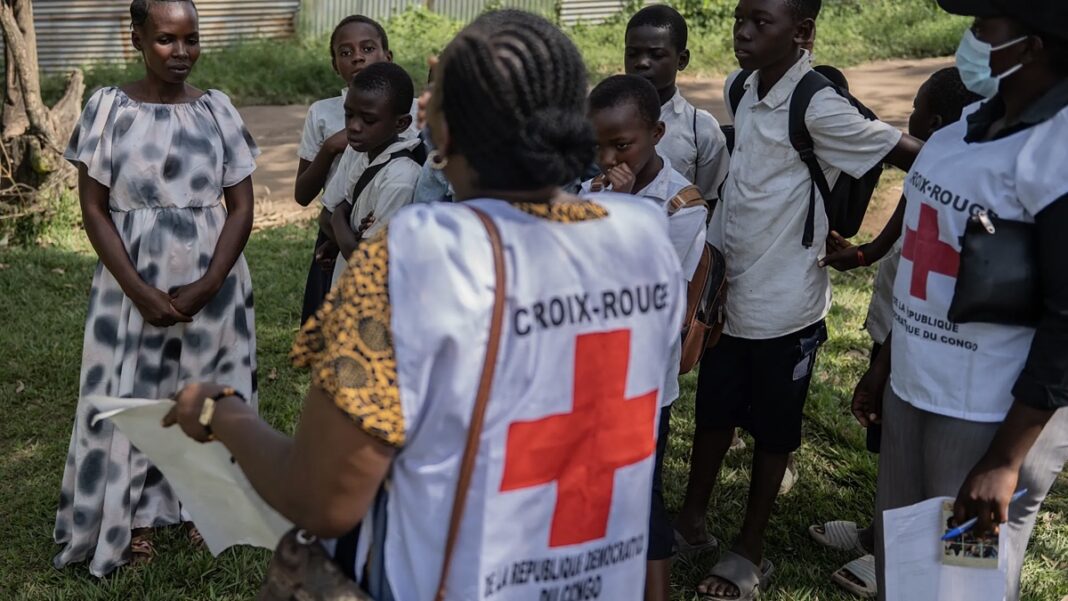
The World Health Organization (WHO) said on Wednesday that efforts to contain the Ebola outbreak in the Democratic Republic of Congo (DRC) are beginning to catch up with the spread of the disease, although significant challenges remain.
According to WHO, the DRC has recorded 344 confirmed Ebola cases and 60 confirmed deaths. Speaking at a press briefing, WHO Director-General Tedros Adhanom Ghebreyesus said the outbreak had initially advanced faster than response efforts, but progress is now being made under the leadership of the Congolese government.
The outbreak is linked to the Bundibugyo strain of the Ebola virus and has also spread to neighboring Uganda, where 15 cases and one death have been confirmed.
WHO officials said testing capacity has improved considerably, allowing health teams to clear a large backlog of suspected cases. Many cases initially thought to be Ebola have since tested negative. The Bundibugyo strain is more difficult to detect because standard Ebola tests do not identify it, creating delays in diagnosis.
Abdirahman Mahamud, WHO’s director of health emergency alert and response operations, said laboratories have conducted 1,445 tests, eliminating most of the testing backlog. However, 116 suspected cases are still awaiting results. Health officials are also reviewing 220 suspected deaths to determine whether Ebola was the cause.
Despite the outbreak, there have been signs of progress. Six patients in the DRC and two in Uganda have recovered, demonstrating that early diagnosis and access to medical care can significantly improve survival chances.
WHO warned that the response continues to face obstacles, including limited testing capacity, difficulties tracing contacts, and travel restrictions imposed by some countries. These restrictions have disrupted supply chains and complicated outbreak-control efforts.
Currently, only about 45% of identified contacts are being monitored. WHO officials say that figure must exceed 90% to effectively contain the outbreak.
Tedros noted that investigations suggest the outbreak may have begun as early as January, though efforts remain focused on stopping further transmission.
To sustain the response, WHO estimates it will need at least $115 million over the next three months. So far, only about 35% of that funding has been secured. WHO emergencies chief Chikwe Ihekweazu said additional resources will be required as the response continues.
A broader response and fundraising plan involving WHO, the Africa Centres for Disease Control and Prevention, and the governments of the DRC and Uganda is scheduled to be launched on Friday.