Electricity VAT Cut Brings Limited Relief: Lewis
Money-saving expert Martin Lewis has welcomed the government’s decision to remove VAT from household electricity bills from 1 October, calling it a positive step. However, he warned that many households are unlikely to notice a significant difference because energy prices are expected to rise again this autumn.
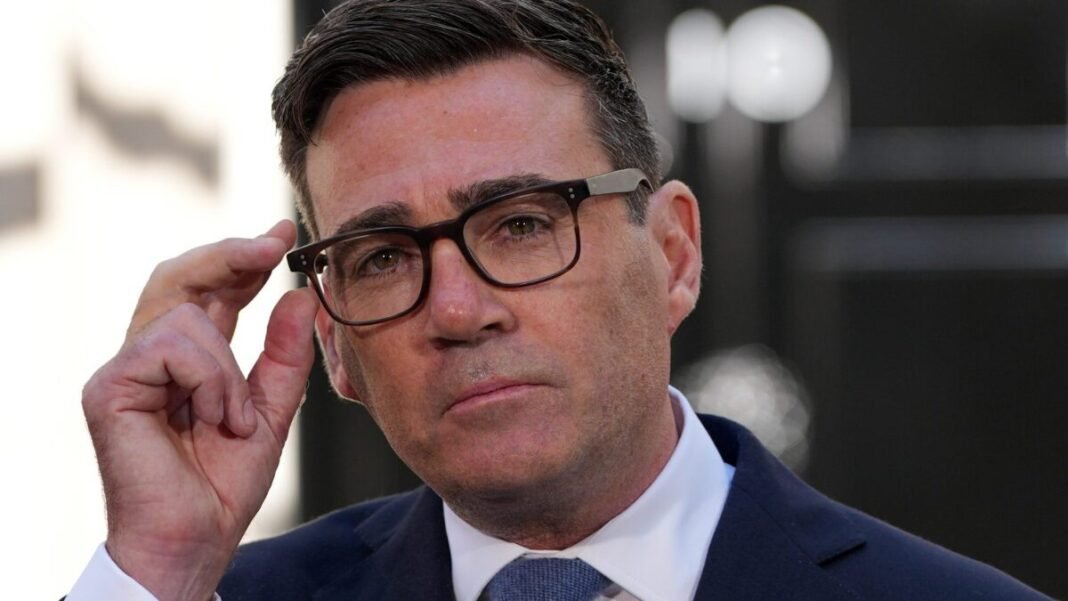
Prime Minister Andy Burnham announced that VAT will be removed from electricity bills, a measure expected to save the average household around £45 per year, based on Ofgem’s current energy price cap.
The announcement comes as energy costs remain high. On 1 July, Ofgem increased the annual energy price cap by £221, raising the typical household bill to £1,862. Although a recent ceasefire between the United States and Iran has helped stabilize wholesale gas prices, analysts at Cornwall Insight predict that the October price cap will fall by only around 0.5%, offering little relief for consumers.
Cornwall Insight also noted that Ofgem recently updated its definition of a typical household to reflect lower average energy consumption, reducing the headline annual bill estimate to £1,654. However, analysts stressed that this adjustment does not represent a meaningful reduction in actual energy costs.
The company warned that uncertainty surrounding the reopening of the Strait of Hormuz, ongoing geopolitical tensions in the Middle East, and delays in repairing key energy infrastructure could continue to keep wholesale prices elevated. At the same time, colder weather is expected to increase household energy usage during the winter months.
Commenting on the policy, Martin Lewis said the VAT removal is “a good symbolic step” but argued that its financial impact would be limited. He explained that current forecasts suggest the energy price cap could rise by around 3.1% in October, adding more than £50 to a typical annual bill. As a result, much of the savings from the VAT cut could be offset by higher energy prices, with another possible increase expected in January.
Lewis also pointed out that government efforts to encourage households to switch from gas to electricity have been undermined by electricity remaining relatively more expensive than gas. He said reducing electricity costs is therefore a logical policy direction.
While describing the savings as modest, Lewis compared the move favourably with the previous government’s decision to reduce Winter Fuel Payments through tighter means testing. He expressed hope that the VAT cut signals a broader commitment to lowering household energy costs.
Richard Neudegg, Director of Regulation at Uswitch, also welcomed the announcement, saying households would benefit from lower electricity bills as winter approaches. He estimated the VAT removal would reduce annual bills by around £45, but noted that rising wholesale energy prices could still push the October price cap higher. Some suppliers expect bills to increase by as much as 5%, although competitive fixed-rate deals currently remain available below standard tariffs.
Simon Francis, coordinator of the End Fuel Poverty Coalition, described the VAT cut as a positive first step but said it would not solve the wider affordability crisis. He called for additional government support, including a stronger Warm Home Discount, reforms to Cold Weather Payments, and measures to reduce household energy debt.
Francis added that long-term solutions require structural reform, including breaking the link between gas and electricity prices, reducing dependence on volatile fossil fuel markets, expanding renewable energy generation, and improving home energy efficiency.