Starmer Message Deletions Spark Transparency Row
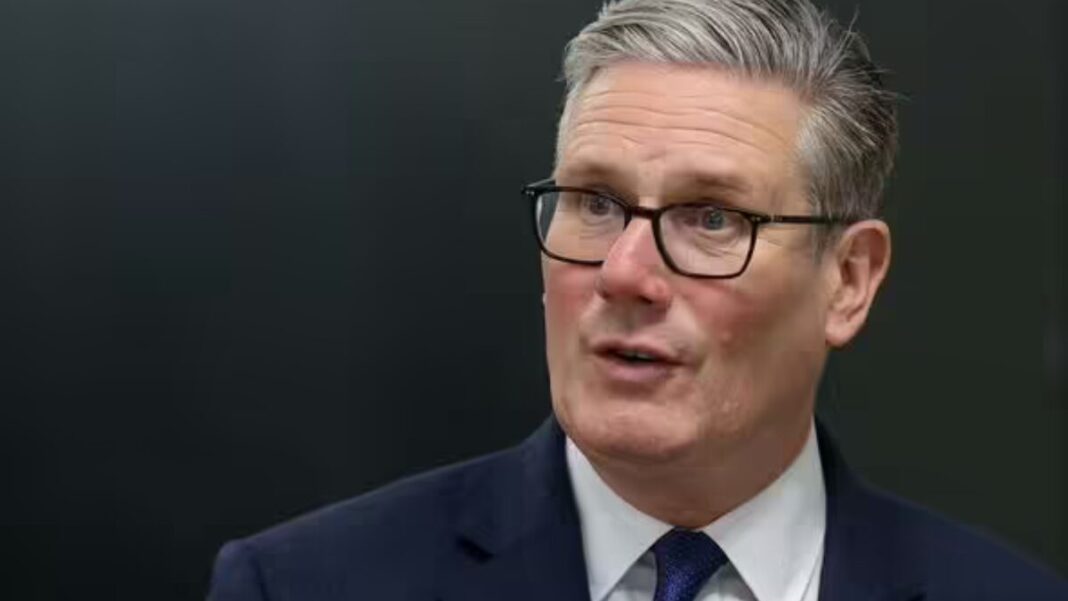
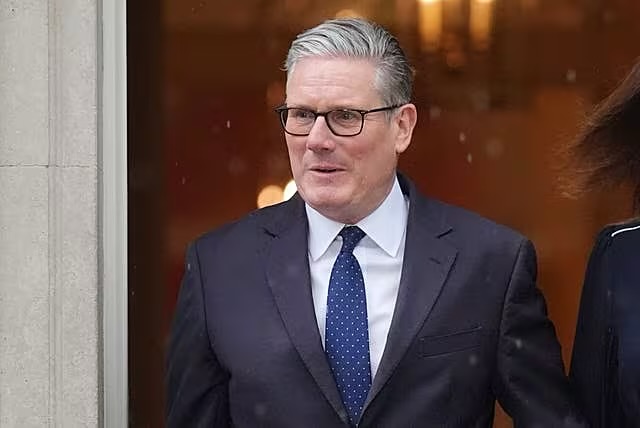
Downing Street has confirmed that Prime Minister Keir Starmer uses an auto-delete setting on his phone, raising the possibility that some of his WhatsApp exchanges with Lord Mandelson are no longer available.
The issue emerged after MPs voted earlier this year to require the government to release documents and communications connected to Lord Mandelson’s appointment as the UK ambassador to the United States. A large collection of records was published on Monday, including WhatsApp messages involving ministers and senior civil servants. However, only a limited number of messages from Starmer himself were included.
Speaking to reporters, Starmer said he had provided all messages still in his possession and insisted he had followed the required procedures. He added that disappearing messages are widely used beyond politics.
WhatsApp’s disappearing-message feature allows users to automatically erase conversations after 24 hours, seven days or 90 days. Current ministerial guidance allows the feature as long as official records and transparency obligations are not undermined.
Even so, the government is reviewing the use of WhatsApp in official business. The prime minister’s spokesperson acknowledged that the situation highlighted areas where improvements could be made. They stressed that key communications and decisions are generally handled through the prime minister’s private office, which remains the formal route for government record-keeping.
The controversy drew criticism from Conservative shadow minister Alex Burghart, who argued that government rules require important decisions and communications to be preserved. He questioned whether messages between Starmer and Mandelson had been lost or destroyed.
Concerns about ministers relying on WhatsApp were also raised by Lord Beamish, chair of the Intelligence and Security Committee. He warned against conducting government business through messaging apps, citing both cybersecurity risks and the absence of a clear audit trail. According to Beamish, similar concerns had been raised with previous governments, yet the practice appeared to continue.
Reports indicate that other senior ministers, including David Lammy and Rachel Reeves, also use disappearing messages.
Despite concerns about missing WhatsApp records, the released Mandelson documents included six text messages exchanged between Mandelson and Starmer that do not appear to have been sent via WhatsApp. In one exchange from July 2024, shortly after Labour’s election victory, Mandelson suggested that Starmer meet former Prime Minister John Major, describing him as thoughtful and insightful. Starmer later replied positively, saying he was enjoying governing far more than opposition and intended to contact Major.
The documents also revealed conversations between Mandelson and Work and Pensions Secretary Pat McFadden. In one exchange, McFadden appeared frustrated that discussions with Labour MPs often focused on identifying new taxes to fund welfare benefits.
Speaking to the BBC, McFadden said his private comments matched his public position on welfare reform. He argued for shifting the debate away from simply determining benefit eligibility and toward helping people improve their circumstances and employment prospects.
Another disclosed message showed Mandelson describing No 10 as struggling and lacking direction. Asked about the remark, McFadden responded that prime ministers frequently face intense pressure because of the demands of the role. He maintained that Starmer was serving the country effectively and said he wanted the prime minister to continue in office.