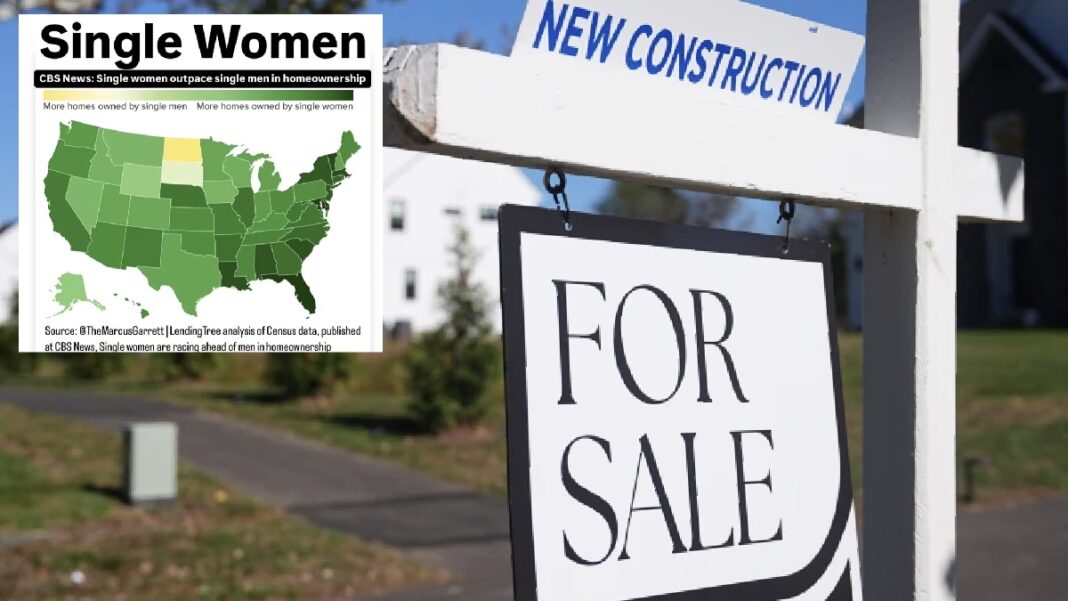
Gen Z Women Outpace Men in Home Buying
Single women in Gen Z are buying homes at significantly higher rates than men in their generation, even as first-time homeownership overall continues to decline.
According to survey data from the National Association of Realtors (NAR), single Gen Z women made up 35% of homebuyers in their age group, while single Gen Z men accounted for just 18%. The survey examined Americans who purchased homes between July 2024 and June 2025 and included buyers ranging from Gen Z to the Silent Generation.
Although Gen Z buyers represented only 4% of all home purchases during the period, the findings highlight a notable trend: no other generation had a larger share of single female buyers than Gen Z.
At the same time, first-time homebuying across all age groups reached its lowest level since NAR began tracking the data in 1981. Rising housing costs and limited savings remain major barriers, especially for younger buyers who often lack equity from a previous home.
For 27-year-old Bri LaFluer, buying a home required years of discipline and persistence. She began searching in 2021 but faced intense competition driven by historically low mortgage rates and rapidly rising prices. After saving aggressively—while working two jobs and living with her mother to keep expenses low—she finally purchased a three-bedroom home in Baldwinsville, New York, in 2023 for $175,000.
LaFluer, who works as a content creator for a video game company, said homeownership represented both independence and personal peace. Her modest living expenses allowed her to save roughly $20,000 for a down payment.
The NAR findings reinforce a longer-term pattern in which single women consistently buy homes at higher rates than single men. Across all generations, single women accounted for 25% of home purchases during the survey period, compared with 11% for single men.
This trend stretches back decades. Single women reached their highest share of home purchases in 2006 during the housing boom, while single men peaked several years later in 2010.
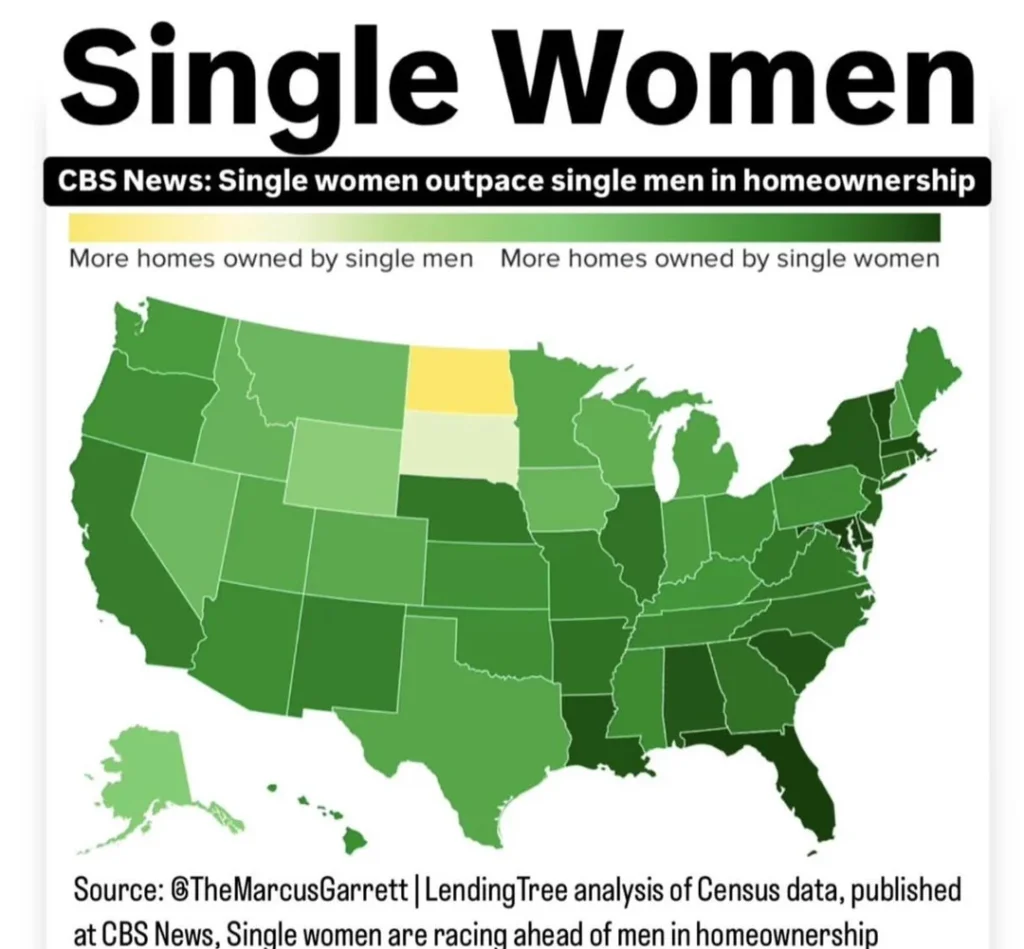
Experts say there is no single explanation for the gap, but several factors may be contributing. Women now surpass men in college enrollment, which can lead to stronger earning potential. Many also view homeownership as a path to independence and financial security.
Jessica Lautz, NAR’s deputy chief economist, noted that women only gained stronger legal protections for obtaining mortgages independently in the 1970s, making today’s ownership gains particularly significant.
Still, Gen Z faces steep affordability challenges. Many are early in their careers, often unmarried, and managing student debt. Their median annual income—$76,000 in 2024—was the lowest among all homebuyer generations surveyed.
Meanwhile, housing prices remain elevated. Although price growth has slowed and some metro markets have softened, home values largely continue to rise. The median U.S. home price recently stood at $417,700, up slightly from a year earlier.
Some young buyers overcome these obstacles with outside support. Gen Z purchasers are more likely than older generations to receive family assistance or seek grants and down-payment programs. About one in ten even used funds from a 401(k) retirement account to help secure a home.
Others rely solely on personal sacrifice
Mariah Berry, now a homeowner in Charleston, Tennessee, focused intensely on saving while many of her peers spent more freely after college. She avoided frequent outings and drove an older vehicle to stay on track financially.
Her efforts paid off in 2023 when, at age 23, she purchased a two-bedroom duplex unit for $218,000 with a $7,000 down payment and a 30-year mortgage at 6% interest.
For Berry, homeownership offered stability after periods of temporary housing and uncertainty. Though placing the offer was nerve-racking, she now views the decision with pride and is already considering purchasing the neighboring unit as a future rental investment.
As housing affordability remains a challenge, stories like LaFluer’s and Berry’s illustrate both the financial hurdles facing Gen Z and the determination driving many young women toward homeownership.