Americans Evacuated Amid Ebola Exposure Risk
At least six Americans may have been exposed to the Ebola virus during the ongoing outbreak in the Democratic Republic of Congo (DR Congo), according to sources cited by CBS News and the BBC’s US partner. One individual is reportedly showing symptoms, while three others are believed to have experienced high-risk exposure. It remains unclear whether any of the Americans have tested positive for the disease.
The US Centers for Disease Control and Prevention (CDC) confirmed it is assisting with the “safe withdrawal of a small number of Americans who are directly affected,” though officials declined to specify how many people were involved. Reports suggest the US government is arranging transportation for the group to a quarantine location, possibly at a US military base in Germany, although this has not been officially confirmed.
The World Health Organization (WHO) has declared the outbreak in DR Congo’s eastern Ituri province a public health emergency of international concern. Health officials have reported 336 suspected cases and 88 deaths so far. The outbreak involves the Bundibugyo strain of Ebola, for which there are currently no approved vaccines or treatments.
Uganda has also confirmed two Ebola cases and one death linked to the outbreak. Despite the spread, the WHO stated the situation does not yet meet the criteria of a global pandemic, though officials warned it could become much larger than current figures indicate.
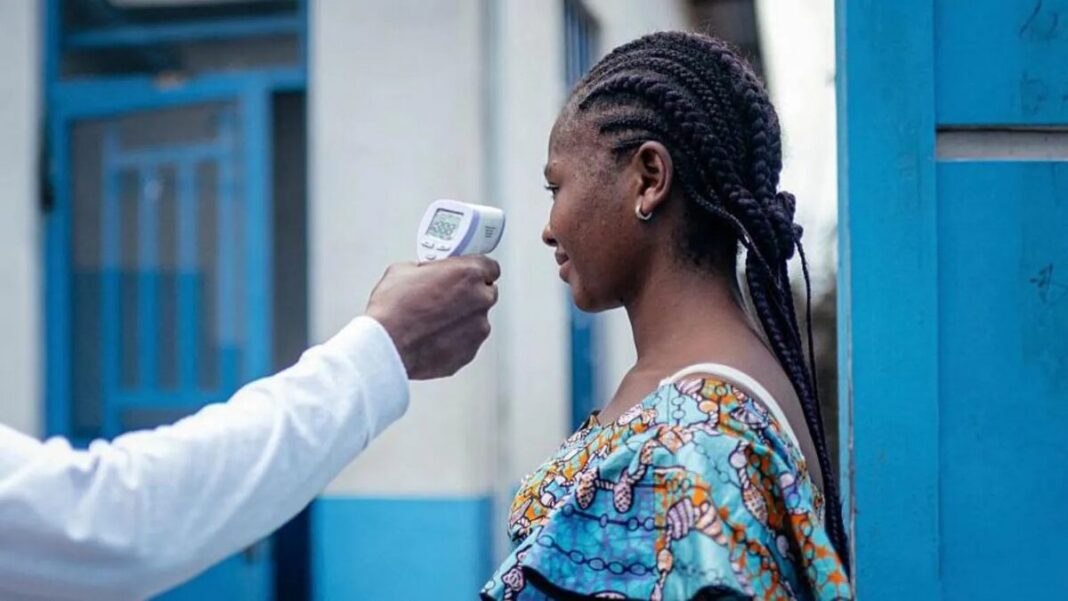
The United States has issued a Level Four travel advisory for DR Congo, urging Americans not to travel there. Meanwhile, neighboring countries are increasing preventive measures. Rwanda announced tighter border screening procedures, while the WHO has advised regional governments to strengthen surveillance and preparedness efforts.
Health experts continue to stress the importance of public safety measures. Africa Centres for Disease Control and Prevention Director General Jean Kaseya warned that funeral practices involving contact with bodies could increase transmission, as happened during the major West African Ebola outbreak between 2014 and 2016.
That outbreak infected more than 28,600 people and caused over 11,000 deaths across several countries, including Guinea, Sierra Leone, the United States, the United Kingdom, and Italy.
What Is Ebola?
Ebola is a rare but serious viral disease that spreads through contact with infected bodily fluids such as blood, vomit, or other secretions. Symptoms can appear anywhere from two to 21 days after exposure and usually begin with fever, headache, fatigue, and muscle pain before progressing to vomiting, diarrhea, and, in severe cases, organ failure and bleeding.
The virus often first spreads to humans through infected animals, particularly fruit bats. While vaccines exist for the Zaire strain of Ebola, no approved vaccine currently exists for the Bundibugyo strain involved in this outbreak.