Oxford Street Traffic Ban Approved by Mayor
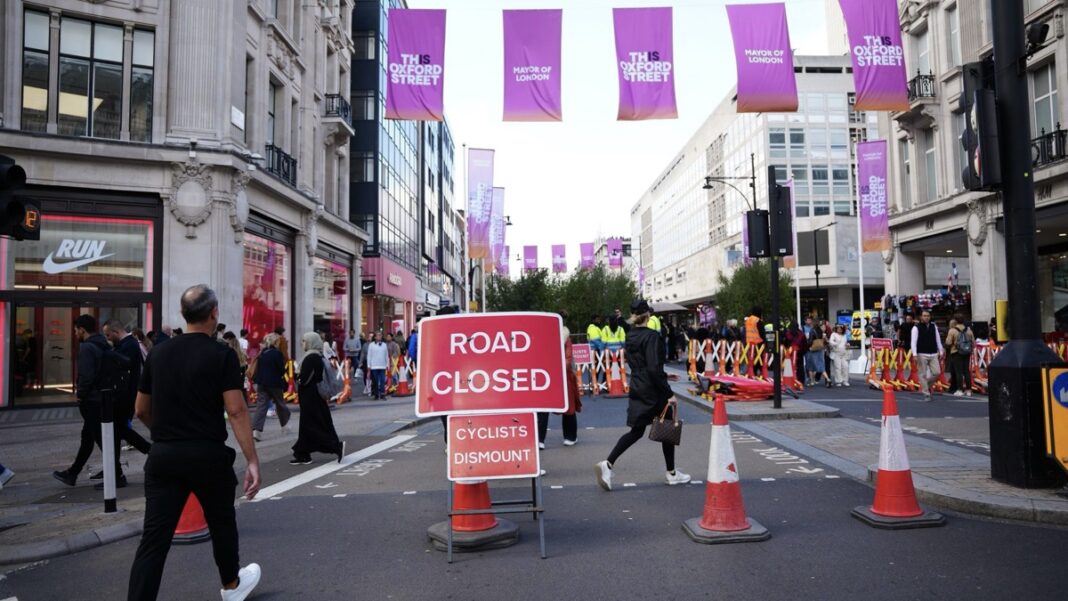
Plans to pedestrianise London’s Oxford Street have received final approval, with Mayor Sadiq Khan pledging to transform the iconic shopping destination into a “world-leading urban space”.
Under the plan, all remaining traffic — including buses, taxis, bicycles, e-scooters and pedicabs — is expected to be removed from the central stretch as early as this summer, following a second public consultation on the future of the capital’s busiest retail street.
Work is set to begin in the coming months and continue until late 2027, focusing on the section west of Oxford Circus after the decision was confirmed on Thursday.
Khan is expected to provide further details of the scheme next week. He has consistently promoted pedestrianisation as a way to support businesses and revive London’s hospitality and nightlife sectors.
“I am delighted to be moving forward with my bold vision to transform Oxford Street into a world-leading urban space for shopping, leisure and outdoor events,” Khan said.
An initial consultation last year showed strong public backing, with around 6,600 respondents supporting the proposal.
Retailers Welcome Move as Taxi Drivers Raise Congestion Concerns
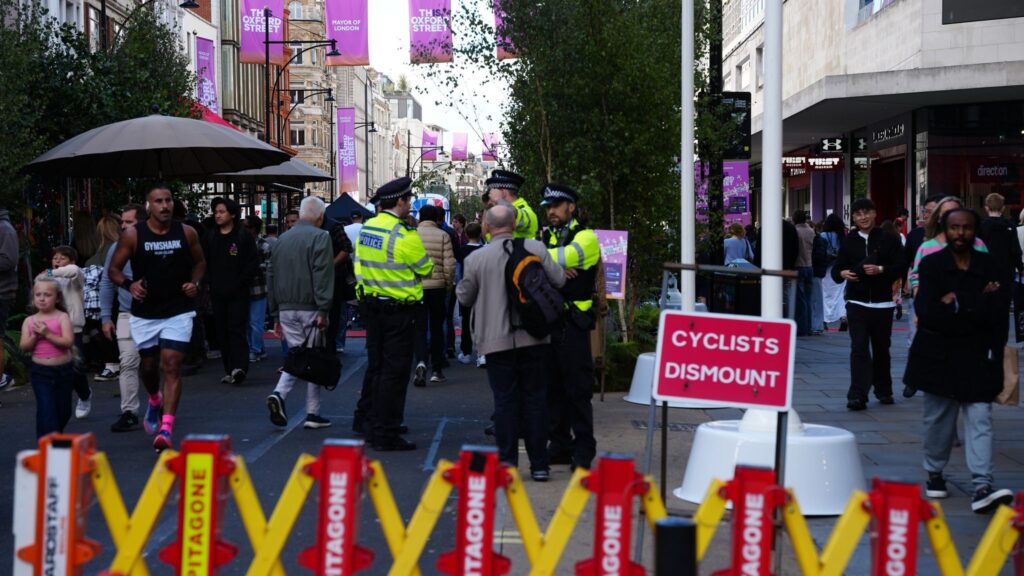
While Oxford Street is already largely restricted to traffic, full pedestrianisation has been debated for decades, with disagreements between City Hall and Westminster Council previously slowing progress.
Alex Williams, Chief Customer and Strategy Officer at Transport for London (TfL), said the authority would work closely with Westminster Council in the coming months to implement necessary road changes in surrounding areas.
More than 2,700 people responded to the second consultation, which examined the detailed design of the scheme and how traffic would be diverted. TfL will now move ahead with plans that allow limited vehicle crossings from side streets while pedestrianising the core shopping area.
Most bus routes will be diverted to Wigmore Street, which runs parallel to Oxford Street to the north.
Major retailers, including Selfridges and John Lewis, have welcomed the move, hoping it will help restore the area’s reputation after recent years saw a rise in lower-quality retail outlets.
Taxi drivers, however, have criticised the decision, warning it could worsen congestion and slow journeys across central London.
TfL acknowledged that some bus journey times may increase, with hundreds of vehicles expected to be redirected to surrounding streets during peak hours. It added that accessibility concerns for people with reduced mobility would be addressed through improved space for wheelchairs and prams in the pedestrianised area.