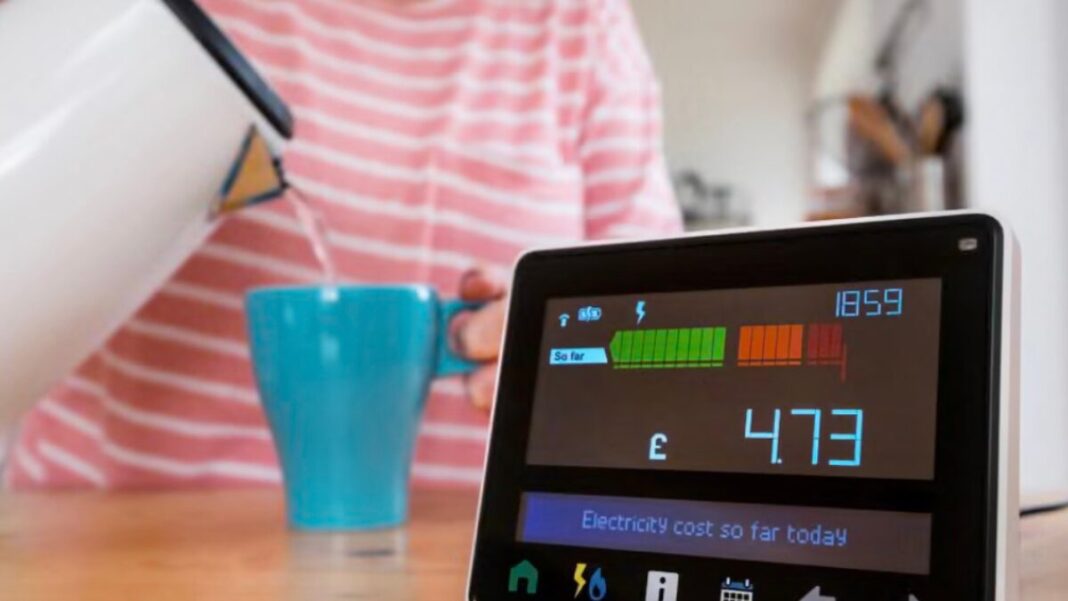
Will reforms lower household bills?
Why UK electricity prices are linked to gas – and what it means for bills
Electricity prices in the UK remain among the highest in the world, and one major reason is the country’s continued reliance on gas. Even though renewable energy like wind and solar is growing, gas still plays a big role in setting electricity prices.
A recent global energy shock – triggered by conflict affecting gas supplies – has pushed up wholesale gas prices. Because UK electricity prices are closely linked to gas costs, this has led to higher bills for households and businesses.
The government is now trying to reduce this connection, but changes could take time.
How dependent is the UK on gas?
The UK still relies heavily on gas across its energy system.
- Around one third of all energy used in the country comes from gas
- About 23 million homes (around 85%) use gas boilers for heating and hot water
- Gas power stations produce almost 30% of UK electricity
Most of the gas used in the UK comes from the North Sea or Norway via pipelines. Smaller amounts come from liquefied natural gas (LNG) imports from countries such as the United States. Only a small share comes from the Gulf region.
However, global gas prices affect the UK even when the physical supply comes from elsewhere, because energy markets operate internationally.
Why don’t renewables make electricity cheaper?
Even though renewable energy is often cheaper to produce than gas power, UK electricity prices are usually determined by the most expensive source needed to meet demand. This system is called marginal pricing.
In practice, renewable sources like wind and solar are used first because they are cheaper. But when more electricity is needed, gas power plants are often brought online. Because gas is usually the most expensive source, its cost ends up setting the price for the entire electricity market.
In 2023, gas determined the electricity price in the UK 98% of the time – much higher than the European average of around 40%.
Countries with more nuclear or renewable capacity, such as France and Spain, rely less on gas to set electricity prices.
Although the UK is expanding renewable energy quickly, experts say it may take several years before renewables significantly reduce overall market prices.
What changes is the government proposing?
The government wants to reduce the influence of gas prices on electricity bills.
One proposal involves moving older renewable energy projects onto fixed-price contracts. Many of these projects currently receive subsidies on top of market prices, meaning they still benefit when gas prices push electricity prices higher.
About 30% of the UK’s electricity generating capacity is covered by these older arrangements. Moving them to fixed-price deals could help stabilise electricity costs.
The government is also increasing taxes on excess profits made by electricity generators, with the extra revenue intended to support households struggling with energy bills.
Some experts have suggested a more significant change: keeping gas power plants available only as a backup supply, rather than allowing them to set market prices.
What does this mean for household bills?
Energy bills are still expected to rise in the short term. Forecasts suggest the typical annual dual-fuel household bill could reach about £1,836.
The proposed reforms are unlikely to reduce prices immediately because they will take time to implement. The government must also be careful not to lock in high prices when agreeing new fixed-price contracts.
In the meantime, policymakers want to encourage households to adopt low-carbon technologies such as:
- solar panels
- electric vehicle chargers
- home energy efficiency improvements
New rules may make it easier for people without driveways to charge electric vehicles by allowing charging cables to run safely under pavements.
These changes could gradually reduce reliance on fossil fuels and help lower bills in the future.