Climate and crisis push food inflation higher
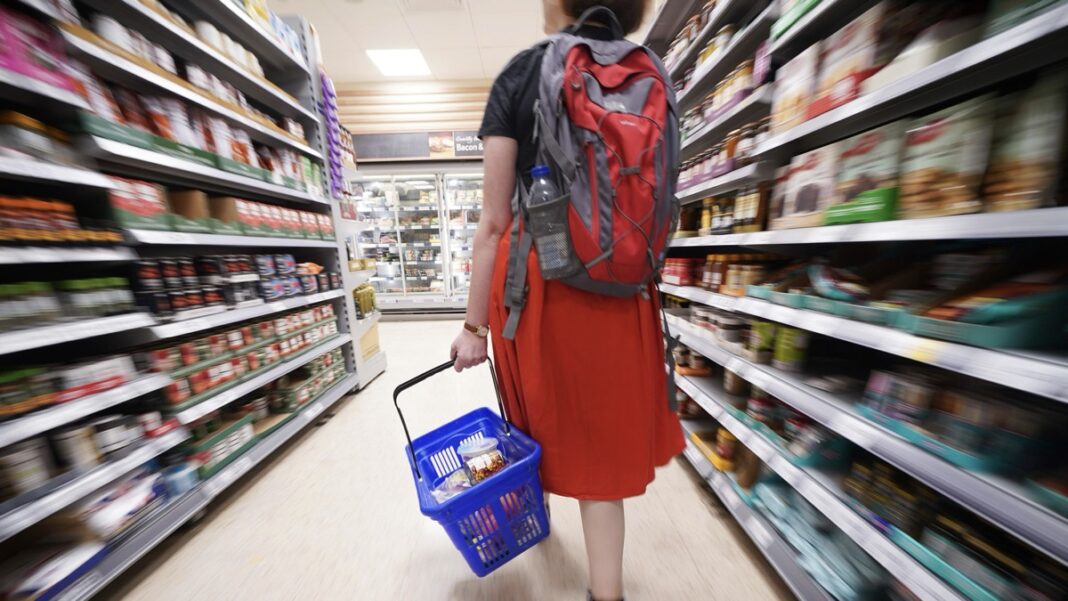
Food prices continue to climb, placing growing strain on households—especially those on lower incomes—according to a new study.
Research from the Energy and Climate Intelligence Unit (ECIU) shows that since mid-2021, food costs have risen at an unusually rapid pace. Analysts warn that by November, UK food prices could be around 50% higher than they were at the beginning of the cost-of-living crisis five years ago. This surge would rival the total increase seen over the previous two decades, effectively meaning food inflation has nearly quadrupled.
The report points to a combination of factors behind the sustained rise. Extreme weather linked to climate change, disruptions in global supply chains, and ongoing volatility in oil and gas markets have all contributed to higher production and distribution costs. These pressures are being passed on to consumers at the checkout.
Staple foods have seen some of the steepest increases. Pasta prices have jumped by around 50%, while frozen vegetables are up 55%. Other notable rises include chocolate (58%), eggs (59%), beef (64%), and olive oil, which has more than doubled in price with a 113% increase.
These price hikes reflect the sensitivity of food production to energy costs, fertiliser prices, and climate-related events such as droughts, floods, and heatwaves—both in the UK and in countries that supply key imports.
The study also found that average household food bills increased by £605 across 2022 and 2023, with £244 of that rise attributed directly to energy-related costs.
Certain climate-affected products—such as butter, milk, beef, chocolate, and coffee—have seen prices rise more than four times faster than other food and drink items, adding further pressure.
Lower-income households are being hit hardest, as they spend a greater proportion of their income on food and have less flexibility to absorb rising costs. Experts warn this could lead to serious consequences, including skipped meals, increased hunger among children, and a rise in diet-related health issues.
The Department for Environment, Food and Rural Affairs has been contacted for comment.