UK Weather: Hotter Summer More Likely
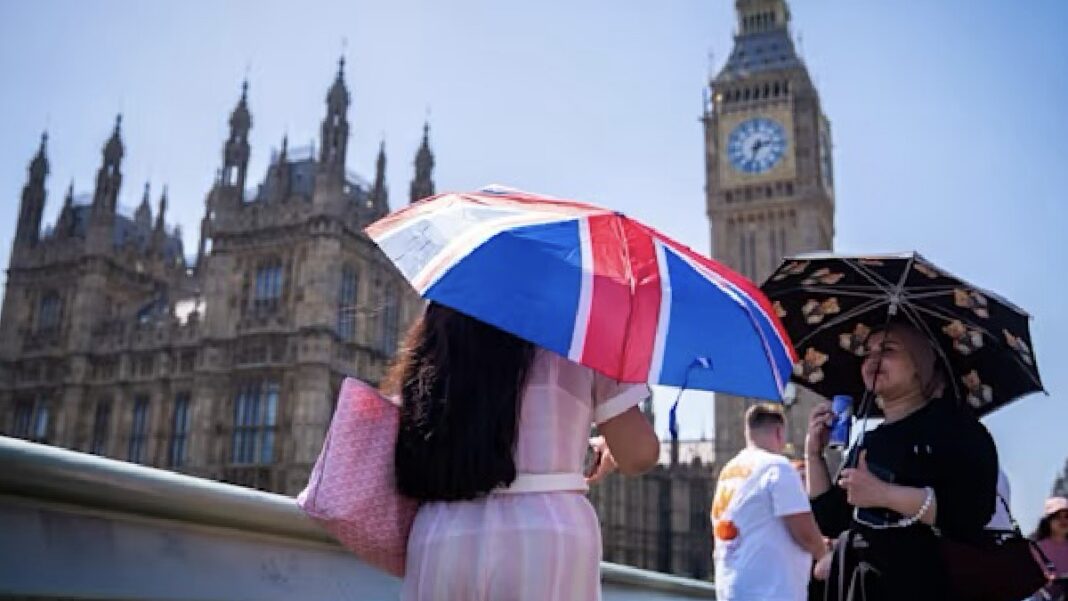
The UK is likely to experience a warmer-than-average summer, according to the Met Office’s latest three-month forecast, despite an unsettled and cooler start to June. Following one of the warmest and driest springs on record, particularly across England and Wales, forecasters say the coming months may bring an increased chance of hot weather and heatwaves.
Spring 2026 was notably dry, with some counties in southeast England receiving only around a third of their usual seasonal rainfall. England and Wales also recorded their warmest spring since records began.
However, early June marks a sharp shift in conditions.
After last week’s exceptional heat, temperatures are set to fall significantly over the coming days, dropping well below average and potentially sitting 15C to 20C lower than recent highs. Wet and unsettled weather is expected nationwide, bringing showers and longer periods of rain.
Heavy downpours may lead to hail and thunderstorms, with localised flash flooding possible during severe storms. Forecasters also warn of strong winds, as an unusually deep low-pressure system could develop on Saturday.
Conditions are expected to gradually improve during the second week of June. Rain is likely to become increasingly confined to northwestern areas as high pressure begins to build.
By mid-June, drier and warmer weather could become more widespread, with temperatures forecast to rise above seasonal averages. Depending on the position of high pressure, southern parts of the UK may even experience another spell of hot weather.
The Met Office’s summer outlook, covering June through August, points to a greater likelihood of above-average temperatures and heatwaves, reflecting broader warming trends linked to climate change. While rainfall totals may still end up near average overall, wetter conditions remain possible.
This summer also marks 50 years since the famous summer of 1976, often remembered as one of Britain’s most extreme weather events.
The summer of 1976 brought prolonged heat and severe drought, causing widespread impacts on communities, infrastructure and the natural environment. It still holds the record for the highest average summer maximum temperature.
Yet more recent years have delivered increasingly warm summers overall. The five warmest summers by mean temperature have all occurred this century, with three arriving within the past eight years.
While 2025 now holds the record for the UK’s hottest summer overall, the country’s highest recorded temperature remains 40.3C, measured at Coningsby in Lincolnshire during July 2022.
Experts say these patterns highlight how summers once considered exceptional are becoming more common as the climate continues to warm