Iran conflict burns $11.3B in first week
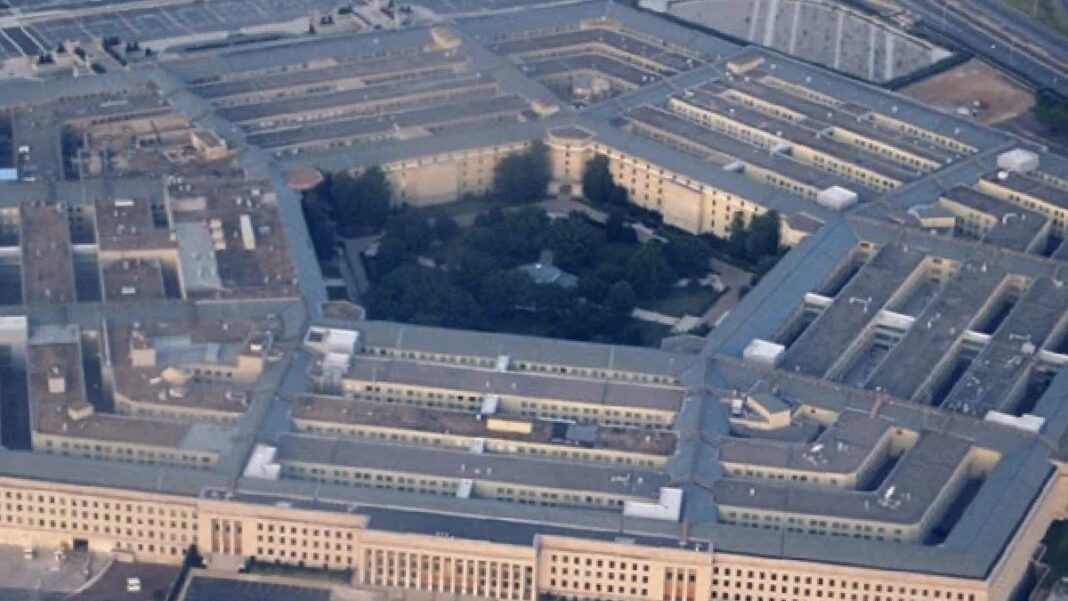
The United States has spent more than $11.3 billion during the first week of its military campaign against Iran, according to a Pentagon briefing to lawmakers, highlighting the rapid pace at which the conflict is consuming military resources.
Pentagon Briefing Reveals Massive First-Week Costs
The opening week of the war against Iran has already cost the United States over $11.3 billion, members of Congress were told during a closed-door Pentagon briefing, according to a report by The New York Times.
Sources familiar with the briefing said the figure does not include several major expenses, particularly those tied to the military buildup before the strikes began, suggesting the total cost could increase significantly once all spending is accounted for.
Defense officials had previously informed lawmakers that roughly $5.6 billion worth of munitions were used in just the first two days of fighting, a spending rate far higher than earlier public estimates.
Operation Epic Fury Burn Rate Raises Concerns
The Washington-based think tank Center for Strategic and International Studies (CSIS) estimated that the first 100 hours of Operation Epic Fury cost approximately $3.7 billion, which translates to about $891 million per day.
According to the CSIS analysis, around $3.5 billion of those costs had not been previously budgeted, raising concerns in Washington about the financial strain of prolonged military operations.
War Cost Tracker Shows Spending Above $17 Billion
Meanwhile, the Iran War Cost Tracker, a website that estimates the conflict’s expenses in real time, showed that total US spending had surpassed $17 billion as of 08:00 GMT on Thursday.
The site estimates the United States is currently spending around $1 billion per day on the war effort.
However, analysts warn that the true cost of the conflict is likely much higher, as current calculations do not include long-term expenses such as veterans’ healthcare, military equipment replacement, and interest on borrowed funds.
Rising Costs Could Shape Political Debate
The rapidly increasing cost of the conflict is expected to become a major topic of debate in Congress, particularly if the military campaign extends for months.
Historically, major US conflicts have generated long-term financial commitments lasting decades, especially due to healthcare costs for veterans and ongoing military support operations.
For now, lawmakers are seeking more detailed briefings from the Pentagon as the war continues to escalate.