Researchers Identify Long-Lost Dutch Trade Ship
Researchers in the United Kingdom have identified a centuries-old shipwreck discovered off England’s southern coast, bringing an end to a mystery that lasted nearly three decades.
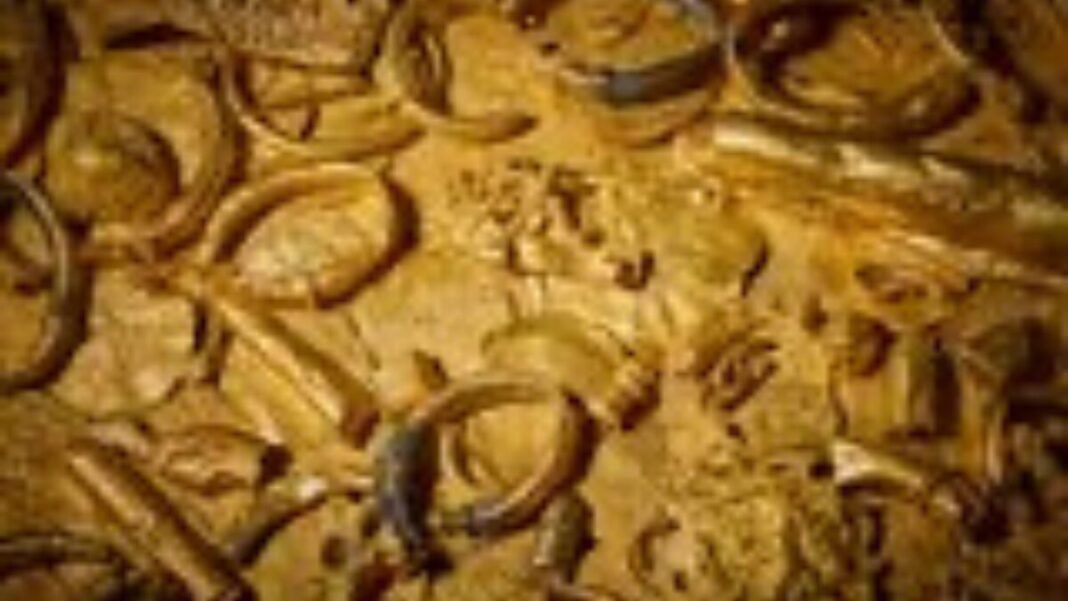
The wreck, found near Salcombe in Devon in 1995, first drew attention after divers recovered more than 400 Moroccan gold coins from the seabed. Despite the remarkable discovery, the vessel’s identity remained unknown for years.
A team of researchers from Bournemouth University, the British Museum, and the South West Maritime Archaeology Group has now confirmed that the wreck is the Dom van Keulen, a Dutch merchant ship that sailed from Morocco to the Netherlands in the autumn of 1633. Historical records indicate the ship developed a leak and sank off the English coast, although everyone on board survived.
The findings are presented in the recently published book From Morocco to the Coast of England: The Story of the Dom van Keulen and its Remarkable Cargo, the result of almost 30 years of collaborative research involving historians, archaeologists, and divers.
Although little is known about the ship’s appearance and no paintings of it are known to exist, the wreck itself measures approximately 98 feet (30 meters) in length and lies about 59 feet (18 meters) below the surface. Cannons, anchors, and other artifacts remain scattered across the seabed.
According to Dave Parham, professor of maritime archaeology at Bournemouth University and co-editor of the book, the vessel was transporting a diverse cargo that included 150 bags of gum arabic, 64 bags of saltpeter, 320 goat skins, and around 9,000 Barbary ducats—Moroccan gold coins.
Researchers believe most of the cargo was salvaged shortly after the ship sank. However, more than 400 gold coins remained hidden on the ocean floor until their discovery in 1995.
Parham said the ship’s cargo was largely made up of ordinary trade goods typical of the period, making the Moroccan gold coins especially significant. Combined with other archaeological evidence, the coins enabled researchers to narrow their historical investigation and ultimately identify the vessel.
He also praised the long-running partnership between professional researchers and volunteer divers, describing the project as an example of how international collaboration can solve historical mysteries.
British Museum Head of Research Jeremy D. Hill said the discovery highlights the importance of cooperation between historians, archaeologists, and divers. He noted that the presence of African gold off the Devon coast initially raised many questions, but researchers can now tell the story of a Dutch merchant ship carrying North African treasure that was lost off England’s coast more than 390 years ago.
The discovery is considered internationally significant and serves as a reminder that many historical secrets may still lie beneath the world’s oceans.