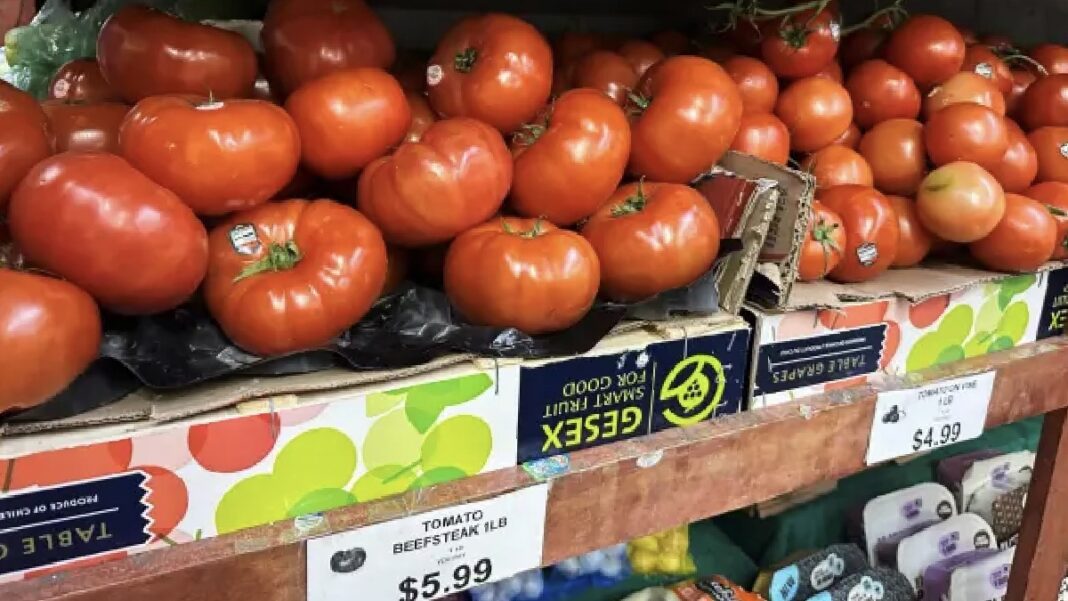
Tomato prices jumped 40% in the US
Tomatoes, a staple ingredient found everywhere from fast-food meals to fine dining, are emerging as an unexpected symbol of rising living costs in the United States.
According to recent inflation data, tomato prices have climbed roughly 40% over the past year — a steeper increase than many other grocery items. By comparison, coffee prices rose 18.5%, beef roasts increased 17.8%, and frozen seafood climbed 12%.
For many consumers, the jump has turned an everyday grocery purchase into a budgeting concern.
New York chef Isaac Bernal Carbajo says the sharp rise reflects a broader affordability challenge. He argues that buying fresh vegetables, once routine, is increasingly becoming a financial consideration for many households.
The broader inflation picture adds to the concern. A separate economic report released Thursday showed overall prices rose 3.8% in April compared with a year earlier, marking the highest inflation reading in nearly three years.
Experts point to several factors behind the tomato price spike, including weather-related crop challenges and policy decisions during President Donald Trump’s second term.
One factor has been increased transportation and fuel expenses linked to conflict involving Iran, which raised shipping costs. Another major issue stems from U.S. trade policy toward Mexico, the source of most tomatoes consumed in America.
Last July, the United States ended a long-standing agreement that had allowed Mexican tomatoes to enter the country without duties. Since then, imported tomatoes have faced a 17% tariff.
Economists say these developments created conditions for rapid price increases.
Wichita State University economist Usha Haley describes the situation as a “perfect storm” involving trade policy, severe weather and geopolitical tensions.
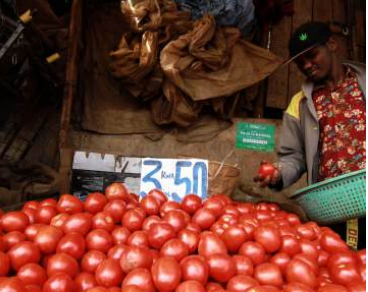
American tomato growers supported the end of the agreement, arguing it could strengthen the domestic farming industry after years of decline. However, the impact on consumers became more noticeable months later, particularly during late winter and early spring when imported tomatoes typically dominate store shelves.
Virginia Commonwealth University professor Brett Massimino says tariffs have played a significant role because the U.S. remains heavily dependent on Mexican tomato imports. Changes in trade policy, he notes, can therefore quickly influence retail prices.
Federal data highlights the shift. Tariff collections on tomatoes rose dramatically — from just over $16,000 in 2024 to nearly $4.6 million, representing an increase of more than 27,000%.
Consumers have reacted strongly. Social media videos from grocery stores show shoppers expressing frustration at tomato prices, with some reporting costs as high as $8 per pound and considering home gardening as an alternative.
Restaurants and food businesses have felt the strain even more sharply.
Restaurant pricing platform MarginEdge reports that grape tomatoes saw some of the largest increases, rising 65% within a single month, while prices climbed across nearly every tomato variety.
Supply chain expert Phillip Coles of Lehigh University expects some relief later in the year as domestic harvests increase supply. He adds that higher prices may encourage farmers to plant more tomatoes, though expanding production takes time.
Until then, businesses that depend on tomatoes continue to absorb higher costs.
Snarf’s Sandwiches, which includes tomatoes in most of its menu items, says the increase has been substantial. Chief operating officer Wayne Humphrey reports that a case of tomatoes that once cost $27 now costs $93, adding to already rising expenses for bread, beef and labor.
Humphrey estimates tomatoes alone are adding more than $1.7 million to the company’s yearly expenses.
“The math is getting harder to ignore,” he says.