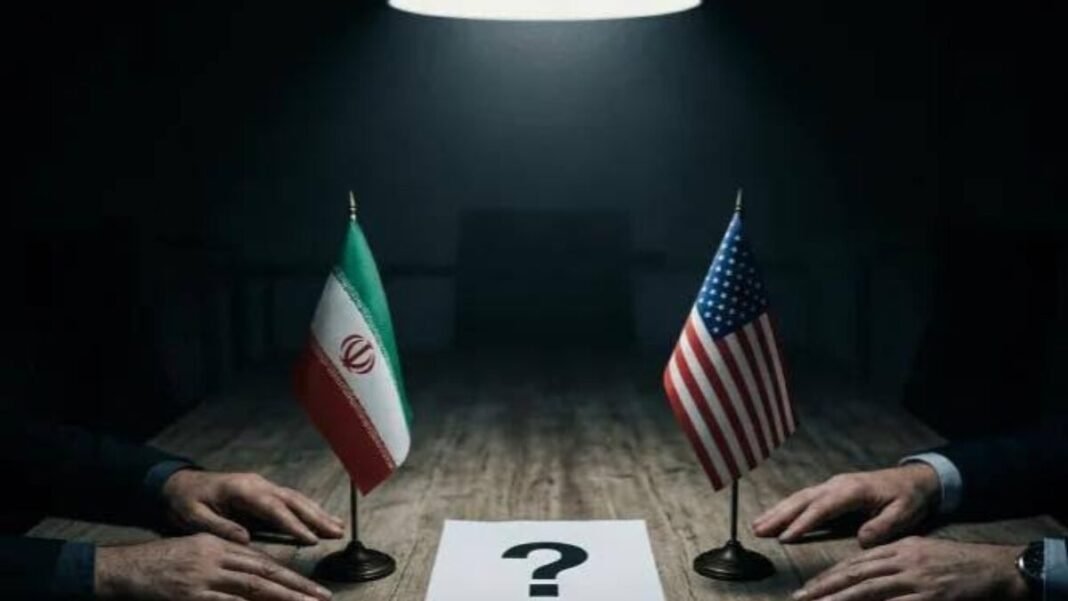
US May Lift Sanctions Under Iran Deal
Iran could receive at least $300 billion in reconstruction and economic development funding, while the United States would lift sanctions on the country, if ongoing nuclear negotiations result in a final agreement, according to leaked details of a proposed peace framework.
The reported 14-point plan outlines a path toward a 60-day ceasefire, with a memorandum expected to be signed in Switzerland. Negotiators would then work to finalize a broader agreement addressing Iran’s nuclear program and regional security concerns.
A central element of the proposal is Iran’s commitment to never develop nuclear weapons. The future of Tehran’s stockpile of highly enriched uranium remains one of the most sensitive issues and is expected to be a major focus of negotiations.
According to reports, the framework would establish a reconstruction fund worth at least $300 billion, backed by the United States and regional partners. U.S. officials have emphasized that the money would not come directly from American taxpayers. Access to the funds would reportedly be tied to Iran meeting specific benchmarks under the agreement.
The proposal would also grant Iran a temporary sanctions waiver, allowing the country to resume oil exports and generate revenue for its economy during the implementation period.
Another key provision concerns the Strait of Hormuz, one of the world’s most important shipping routes. Both sides would agree to remove restrictions affecting maritime traffic, with Iran playing a role in reopening the waterway. The agreement aims to restore shipping activity to pre-conflict levels within 30 days of the ceasefire taking effect.
Speaking about the negotiations, U.S. President Donald Trump said he remained prepared to take military action if Iran failed to comply with the terms of an agreement. However, he described the framework reached on Sunday as a strong deal that had generated broad support.
Trump also urged Israeli Prime Minister Benjamin Netanyahu to avoid escalating military operations in Lebanon, where clashes involving Hezbollah have repeatedly threatened regional stability and diplomatic efforts.
Hezbollah has reportedly stated that Iran would not agree to a final nuclear accord unless Israel fully withdraws from Lebanon.
International leaders welcomed the reported breakthrough. British Prime Minister Keir Starmer praised the progress, describing it as an important step toward regional stability. Discussions among leaders at the G7 Summit have reportedly focused on implementing the agreement and reopening the Strait of Hormuz as quickly as possible.
European allies, including France, have indicated they would support efforts to secure the shipping route once a formal peace agreement comes into force.
Negotiators are expected to continue discussions in the coming weeks as they work toward a comprehensive settlement covering nuclear restrictions, sanctions relief, regional security, and economic recovery.