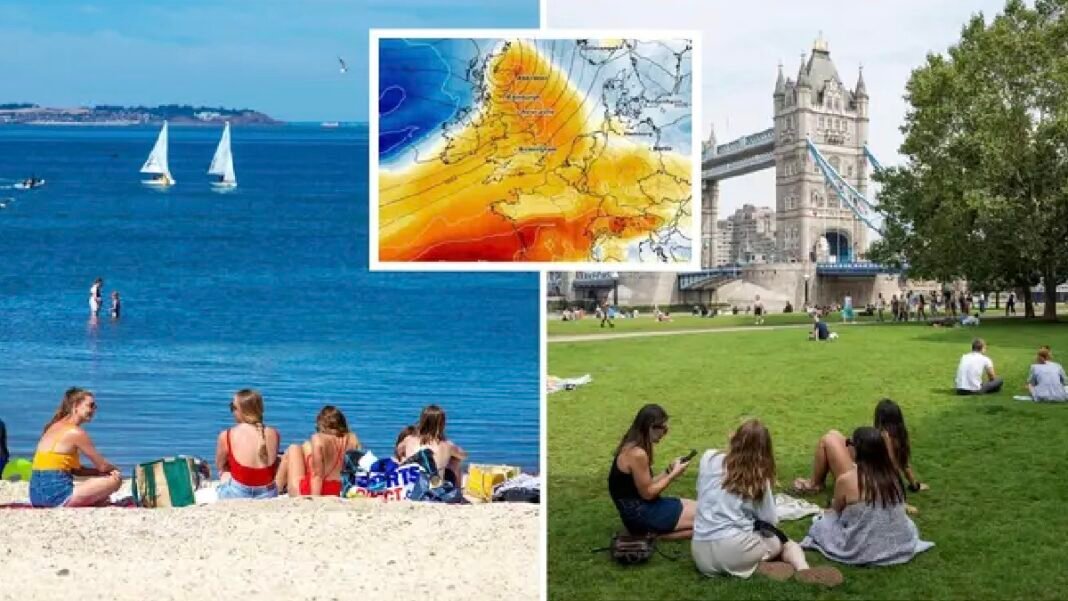
Record Temperatures Disrupt Western Europe
Western Europe remained under an intense and potentially deadly heatwave on Wednesday, with record-breaking temperatures disrupting daily life, straining infrastructure, and contributing to dozens of deaths across the region.
The extreme weather, driven by a meteorological phenomenon known as an Omega block, has pushed temperatures far above seasonal norms. In the United Kingdom, temperatures climbed to 36.1°C in southern England, setting a new June record. France also experienced unprecedented heat, with Paris reaching 40.9°C and the southwestern town of Pissos recording 44.3°C, the highest temperature measured in the country since records began nearly 80 years ago.
Italy issued its highest heat alert for 16 major cities, including Rome, Milan, Florence, Turin, and Verona, warning that conditions could worsen through the weekend.
Deaths and Public Health Concerns
The heatwave has already claimed lives across Europe. French authorities reported 48 drowning deaths linked to people attempting to cool off, while two young children died after being left in a hot vehicle. In Spain, two elderly individuals died from heatstroke following several days of temperatures above 40°C.
Agriculture has also been heavily affected. Poultry farms in western France reported the deaths of hundreds of thousands of birds as extreme temperatures overwhelmed livestock.
Infrastructure and Energy Under Pressure
The heat has disrupted transportation, education, and energy systems across the continent. In Britain, hundreds of schools either closed or shortened class hours due to safety concerns. Rail services in London, Wales, and other areas experienced delays, speed restrictions, and cancellations as tracks and equipment were affected by the high temperatures.
France’s nuclear power sector, which provides most of the nation’s electricity, reduced output by about 7% of national demand because rivers and water sources used for cooling became too warm.
What Is an Omega Block?
Meteorologists say the heatwave is being intensified by an Omega block, a weather pattern named after its resemblance to the Greek letter Ω. The system traps hot air beneath a high-pressure ridge, preventing cooler weather from moving in and allowing extreme temperatures to persist for days or even weeks.
According to climate experts, temperatures in some areas have risen as much as 18°C above normal. Scientists also note that climate change is increasing both the frequency and intensity of heatwaves and related weather extremes.
Comparisons to Historic Heatwaves
France’s weather service, Meteo-France, compared current conditions to the devastating 2003 European heatwave, which lasted more than two weeks and was associated with an estimated 80,000 excess deaths across the continent.
Red-alert heat warnings now cover much of France, and forecasters expect dangerous conditions to continue through at least Thursday.
Tourism and Cultural Events Disrupted
Major tourist attractions have been forced to adapt. The Eiffel Tower and the Louvre Museum shortened operating hours, while the traditional Changing of the Guard ceremony outside Buckingham Palace was scaled back to protect participants from the heat.
In Italy, the Uffizi Galleries temporarily stopped ticket sales after an air-conditioning failure.
The heat also affected Paris Fashion Week, where attendees endured sweltering conditions. Several fashion houses adjusted show schedules, moving events to cooler morning hours.
Widespread Adaptation Measures
Across Europe, governments, businesses, and communities have implemented emergency measures. Schools in the Netherlands shortened classes, outdoor sporting events were cancelled, and public transport services were reduced. In Switzerland, local authorities opened air-conditioned cinemas free of charge to provide relief from the heat.
Construction companies, farmers, and other outdoor workers have shifted schedules to early mornings or nighttime hours to reduce heat exposure and lower wildfire risks.
As Europe continues to warm at more than twice the global average rate, experts warn that prolonged and severe heatwaves like this one are becoming increasingly common, highlighting the growing challenges posed by climate change.