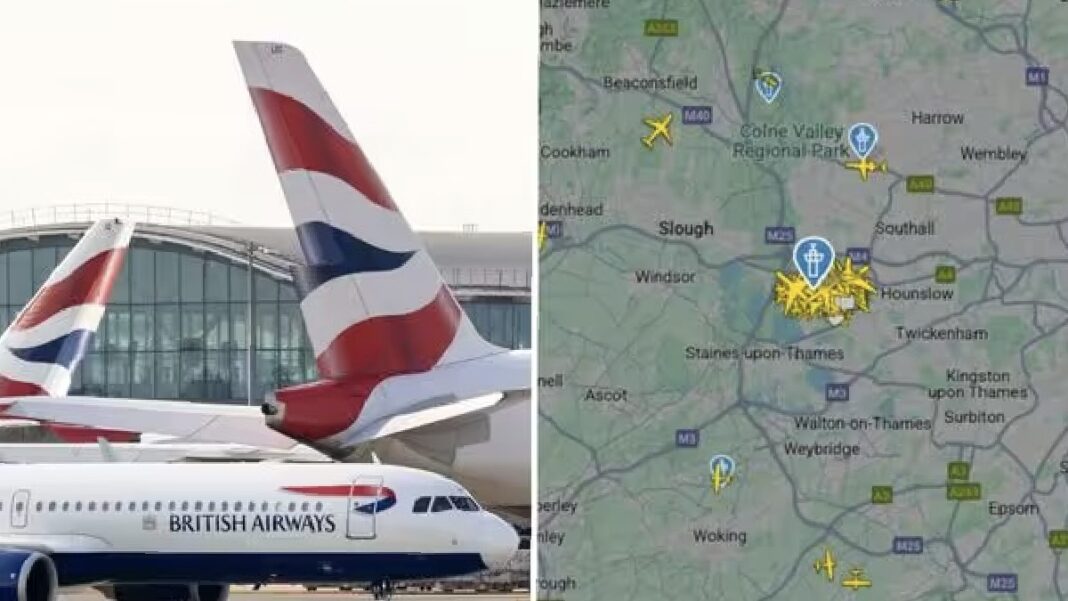
Heathrow and Gatwick Face Disruption
Thousands of travellers across the UK are facing disruption after another wave of flight cancellations struck major airports including Heathrow Airport, Gatwick Airport and Manchester Airport.
More than 40 flights were reportedly removed from schedules on May 14, affecting routes operated by airlines such as British Airways, American Airlines, Air Canada, easyJet and WestJet.
The cancellations disrupted journeys to a number of international destinations, including New York City, Toronto, Mumbai, Paris, Amsterdam and Dublin.
Aviation monitoring services recorded a noticeable increase in cancellations and delays as operational pressures continue to build ahead of the busy summer holiday season. Heathrow has experienced the most severe disruption due to its extensive international network, while Gatwick and Manchester have also struggled with delays and schedule changes across both short-haul and long-haul services.
Flights between London and North America have been particularly affected. Services to New York JFK operated by British Airways and American Airlines faced cancellations and extended delays, while routes to Toronto and Calgary involving Air Canada and WestJet were also disrupted. Connections between the UK and Mumbai were similarly impacted by timetable changes and cancelled services.
Industry analysts warned that problems involving a single long-haul aircraft can quickly create a chain reaction across multiple routes, especially during periods of high demand and limited spare aircraft availability.
European routes have also been caught up in the disruption. Flights to Paris, Amsterdam and Dublin from Heathrow, Gatwick and Manchester experienced cancellations, leaving some passengers missing onward international connections.
Airlines across Europe continue to face mounting pressure from rising fuel prices, aircraft shortages and staffing challenges. Budget carriers and full-service airlines alike have struggled to maintain stable schedules as demand increases ahead of the summer travel peak in June and July.
Passengers affected by cancellations are being advised to monitor airline apps closely and secure alternative arrangements as quickly as possible due to limited seat availability on replacement flights.
Under UK passenger-rights regulations, travellers departing from British airports may still qualify for assistance, accommodation and compensation depending on the reason behind the disruption. However, airlines can avoid compensation payments if cancellations are announced at least two weeks before departure.
New figures from aviation analytics company Cirium showed airlines have significantly increased cancellations during May. According to the company, 296 departures from UK airports had been cancelled this month as of Tuesday, compared with 120 cancellations recorded six days earlier.
Despite the rise in cancellations, reductions to summer schedules remain relatively limited overall. June departures are down by 48 flights compared with the previous week, while July schedules have been reduced by 31 flights and August by just four departures.
Meanwhile, Lufthansa Group announced plans in April to cut 20,000 flights over six months in an effort to conserve fuel supplies.
International Airlines Group, the parent company of British Airways, recently warned that higher fuel costs are expected to increase expenses by around €2 billion this year. Despite this, IAG chief executive Luis Gallego said the company does not expect major interruptions to summer operations.
UK Transport Secretary Heidi Alexander also stated earlier this month that the government does not anticipate severe summer disruption. Additional fuel supplies have reportedly been imported from the United States, while domestic refinery production has increased to support demand.
The government has also introduced temporary regulatory changes allowing airlines to combine passengers from multiple flights onto fewer aircraft in order to reduce fuel consumption.
The aviation sector’s growing challenges come amid soaring jet fuel prices linked to instability in the Middle East and continued tensions around shipping routes through the Strait of Hormuz.