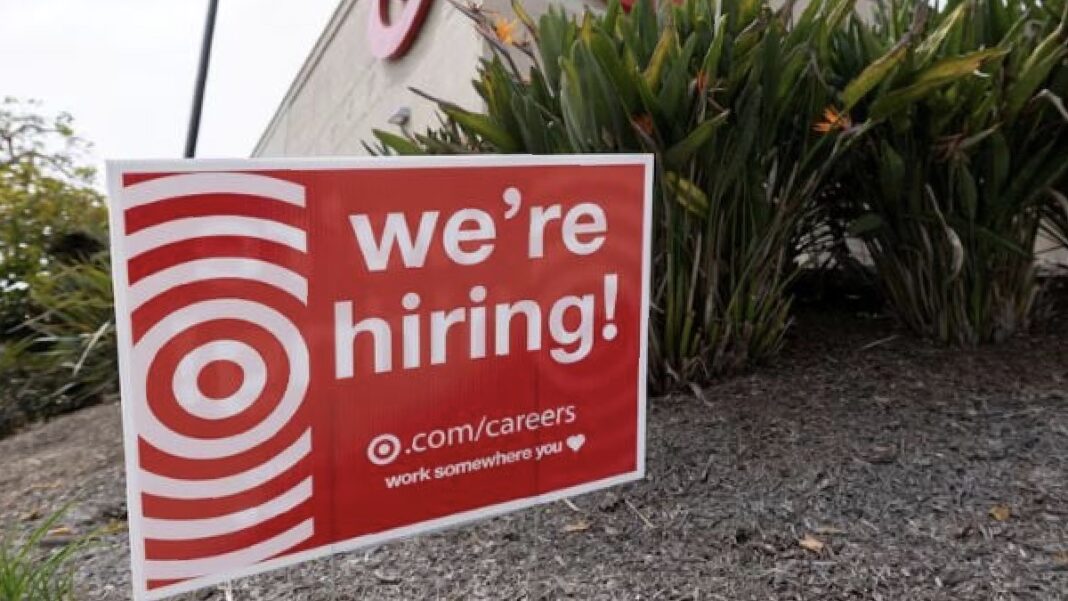
Middle East conflict clouds US labor outlook risk
U.S. job growth likely improved in March after a slowdown in February caused partly by healthcare worker strikes and severe winter weather. However, economists warn that growing uncertainty tied to geopolitical tensions in the Middle East could threaten the labor market outlook in the coming months.
Analysts expect the rebound to reflect a return to the slower pace of hiring seen throughout last year. Businesses have been cautious about expanding their workforce due to ongoing economic uncertainty, including shifting trade policies under President Donald Trump. Earlier this year, the U.S. Supreme Court invalidated tariffs imposed by the administration under emergency powers, but Trump quickly introduced a new global tariff program lasting up to 150 days.
At the same time, military conflict between the U.S., Israel, and Iran in late February pushed global oil prices sharply higher, increasing fuel costs domestically. Economists say rising energy prices and geopolitical instability are adding new pressure on businesses already hesitant to hire.
According to a Reuters survey, economists expect the Bureau of Labor Statistics to report that nonfarm payrolls increased by approximately 60,000 jobs in March. This would mark a recovery from February’s decline of 92,000 jobs, which was one of the largest drops recorded since early 2025. The unemployment rate is projected to remain at 4.4%, although some forecasts suggest it could edge up slightly to 4.5%.
Healthcare employment is expected to drive much of March’s job growth following the return of roughly 31,000 nurses at Kaiser Permanente facilities in California and Hawaii who had been on strike. The healthcare sector continues to be a key source of employment expansion, supported by demographic trends such as an aging population.
Other industries, including construction and leisure and hospitality, may also show improvement after earlier declines linked to extreme winter weather. Still, hiring gains are expected to be concentrated in only a few sectors, such as social assistance, indicating uneven labor market strength.
Recent data from the Bureau of Labor Statistics showed job openings fell sharply in February, suggesting weaker labor demand overall. Economists note that businesses remain cautious due to ongoing economic and political uncertainties, including immigration policies that have reduced labor supply.
Mass deportations have slowed workforce growth, which economists say can weaken consumer demand and economic expansion. Some estimates suggest that fewer than 50,000 new jobs per month are now required to keep pace with population growth, with certain analysts even suggesting the break-even point may be close to zero.
JPMorgan economists warned that negative payroll readings could occur more frequently in the future, even if employment levels remain stable enough to prevent a rise in unemployment.
While March’s data may not yet fully reflect the economic effects of the Middle East conflict, the consequences could become clearer in April’s report. National average gasoline prices have risen above $4 per gallon for the first time in more than three years, increasing inflation pressures and reducing consumers’ purchasing power.
Average hourly earnings are expected to rise by 0.3% in March, translating to annual wage growth of about 3.7%. However, higher living costs could offset wage gains and slow consumer spending.
Financial markets have also reacted negatively to geopolitical tensions, with approximately $3.2 trillion in stock market value lost during March. President Trump has indicated that further military action against Iran may be considered, increasing uncertainty for businesses and investors.
Some economists believe companies may delay hiring decisions over the next few months as they assess economic risks. As a result, the outlook for the second quarter remains uncertain.
Economists generally expect that March’s employment data will not significantly influence Federal Reserve policy decisions. The central bank kept its benchmark interest rate within a range of 3.50% to 3.75% last month, and many analysts believe interest rate cuts are now less likely in the near term.
Overall, economists describe the labor market as being in a “low hiring, low layoffs” phase that is stable but fragile, with risks tied largely to geopolitical developments and economic policy changes.