$65 Billion Food Merger Reshapes Industry
Unilever announced on Tuesday that it will merge its food business with spice maker McCormick & Company in a transaction valued at roughly $65 billion, making it the second-largest food industry deal in history. The move marks the boldest strategic step yet by CEO Fernando Fernandez since he took charge in March 2025.
The agreement follows last year’s spin-off of Unilever’s ice cream division, which includes major brands such as Ben & Jerry’s and Magnum. Fernandez has been working to streamline the company’s portfolio and focus more heavily on faster-growing categories like beauty and personal care.
Deal structure and investor reaction
Although Unilever’s food segment delivers strong margins, its slower sales growth has weighed on the company’s goal of increasing total revenue by 4–6% annually. Pressure to divest food assets intensified after activist investor Nelson Peltz acquired a stake in 2022. Peltz has been associated with leadership changes that ultimately led to Fernandez’s appointment.
Despite the strategic rationale, markets reacted negatively. Unilever shares dropped about 3%, reaching nearly a one-year low, while McCormick’s shares fell 9% shortly after Wall Street opened. Analysts questioned whether the structure delivers sufficient value for shareholders.
The transaction will use a Reverse Morris Trust (RMT) structure, allowing Unilever to spin off its food division and merge it with McCormick in a tax-efficient way. After completion, Unilever shareholders will hold about 65% of the combined company, alongside $15.7 billion in cash. The deal values Unilever’s food unit at approximately $45 billion, while McCormick is valued at around $21 billion.
Strategic shift toward core categories
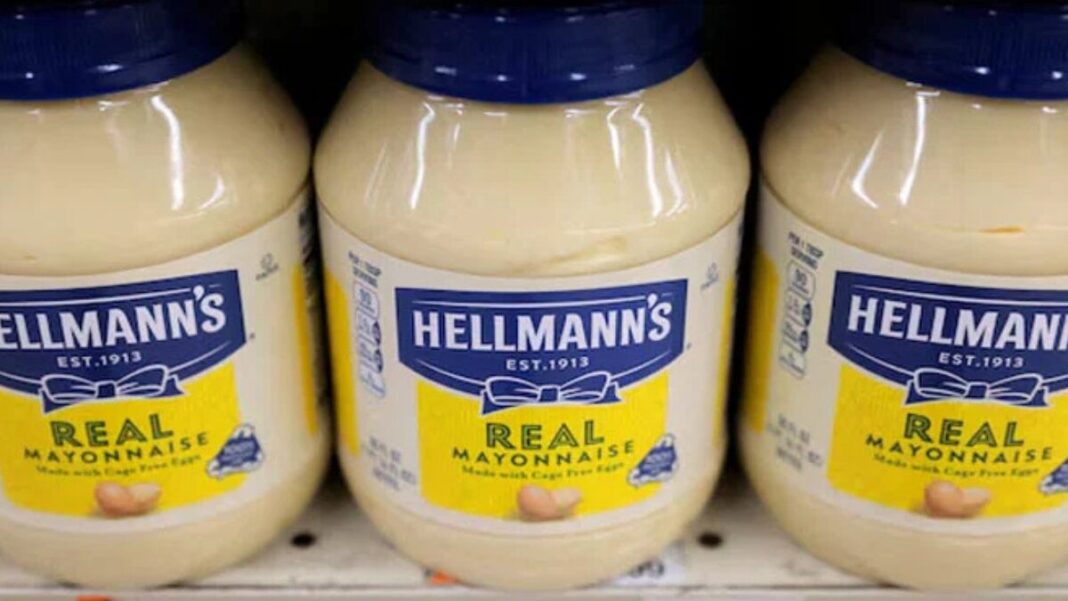
The merger would transform McCormick into a global leader in condiments and seasonings, including brands like Cholula. Analysts suggest the move is likely to be far more transformative for McCormick than for Unilever, which will emerge as a more focused company centered on household and personal care products such as Dove, Cif, and Axe.
Unilever’s roots in the food industry date back to the 19th century butter trade, eventually leading to its formation in 1929 through the merger of Margarine Unie and Lever Brothers. However, changing consumer preferences toward fresh foods and the growing impact of GLP-1 weight-loss medications have weakened demand for packaged products 🍽️.
Over the past year, Unilever has already sold several smaller food brands, including Graze and The Vegetarian Butcher, as part of a broader restructuring plan. The company is also pursuing a cost-cutting initiative launched in 2024, targeting savings of about €800 million over three years.
Industry observers say the deal reflects a continued shift among global consumer goods companies toward simplifying portfolios and concentrating on higher-growth segments