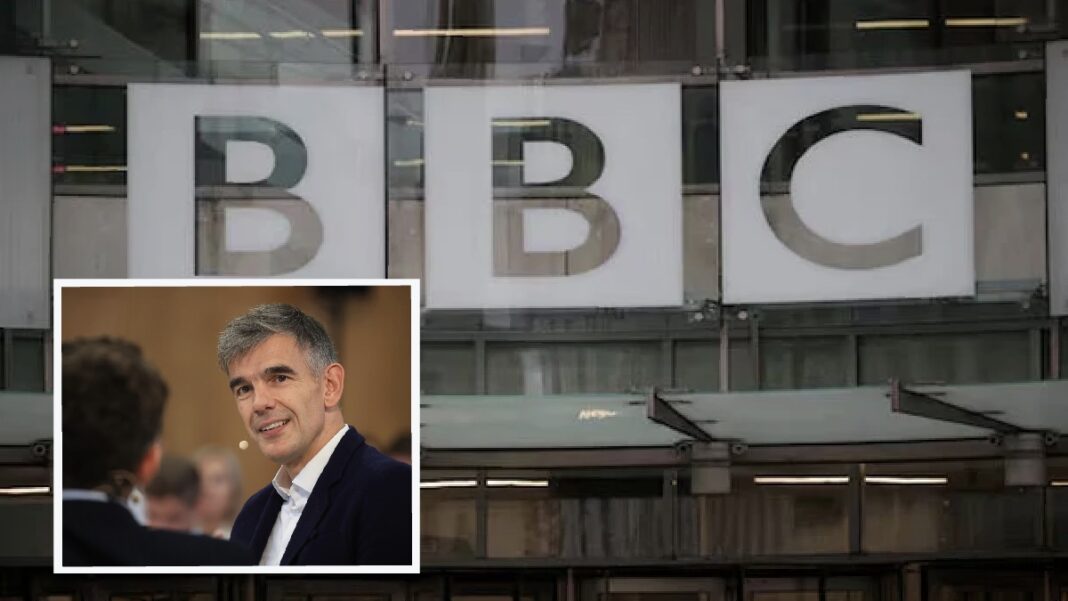
Tech leader Matt Brittin becomes BBC director
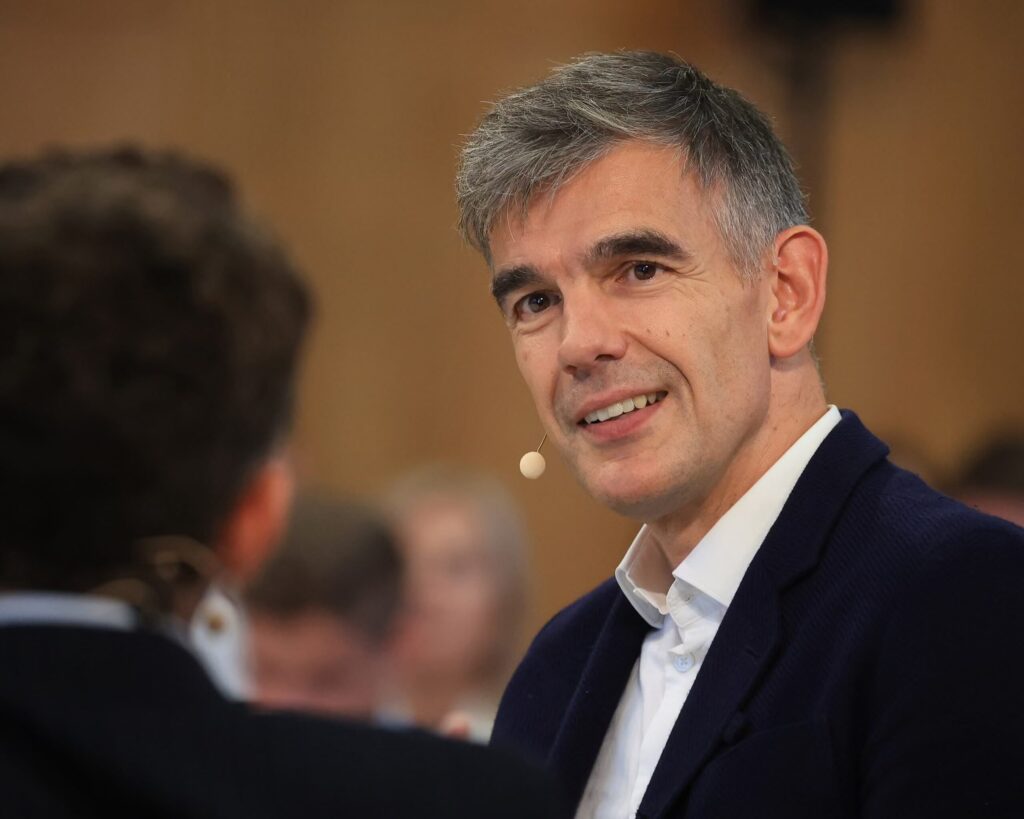
The BBC has selected former Google executive Matt Brittin as its next Director General, placing a technology-focused leader at the helm during one of the most significant transitions in the corporation’s history. Brittin will succeed Tim Davie as the public broadcaster negotiates its future funding model with the UK government and adapts to rapid changes in media consumption.
Brittin, 57, previously served as President of Google for Europe, the Middle East, and Africa (EMEA), stepping down last year after a long career in the technology sector. His appointment was confirmed following a BBC board meeting on Thursday, signaling the corporation’s intent to strengthen its digital strategy while navigating political and financial challenges.
BBC Turns to Tech Leadership Amid Industry Disruption
The BBC is facing intense pressure to modernize its operations as audiences increasingly shift toward streaming platforms and digital content. Brittin’s extensive background in technology is seen as a strategic advantage as the broadcaster develops new ways to reach viewers online and compete with global platforms such as YouTube and Netflix.
In a statement, Brittin highlighted the importance of innovation and adaptability:
“Now, more than ever, we need a thriving BBC that works for everyone in a complex, uncertain and fast-changing world. This is a moment of real risk, yet also real opportunity.”
BBC Chair Samir Shah praised Brittin’s leadership experience, noting his ability to guide complex organizations through transformation.
Funding Model and Licence Fee Under Review
One of Brittin’s immediate priorities will be negotiations with the UK government regarding the BBC’s funding structure. The traditional licence fee model is under increasing pressure as more households move away from live television viewing.
BBC leadership has proposed reforms that could see more households paying a lower fee, while maintaining stable funding for public service programming. However, the outcome of negotiations remains uncertain and may require significant cost-cutting measures across departments.
The corporation is also expected to establish a Deputy Director General role to provide strong editorial leadership, addressing concerns about Brittin’s limited newsroom experience.
Relationship With YouTube and Big Tech
Brittin’s Google background could play a key role in shaping the BBC’s relationship with YouTube, which has become one of the most influential platforms for video consumption globally. Recent industry data shows that television screens have overtaken mobile devices as the primary way audiences watch YouTube content at home.
Regulators, including Ofcom, are encouraging platforms to provide greater visibility for public service broadcasters such as the BBC. However, internal concerns remain about relying too heavily on technology companies that also compete for audience attention.
Leadership Transition Follows Controversy
Outgoing Director General Tim Davie resigned following criticism over editorial decisions and allegations of bias linked to a broadcast involving former US President Donald Trump. The leadership change comes at a time when the BBC continues to face political scrutiny and debates over its impartiality.
Several prominent candidates declined to apply for the role, including Charlotte Moore, Jay Hunt, and Alex Mahon, meaning the BBC will continue waiting for its first female Director General.
Background and Career Highlights
Before joining Google in 2007, Brittin worked as a strategy consultant and held a role at Trinity Mirror (now Reach). He also served as a non-executive director at Guardian Media Group and was a member of the British Olympic rowing team in 1988.
Brittin has previously expressed strong support for artificial intelligence, encouraging the media industry to embrace emerging technologies to remain competitive.
Outlook for the BBC’s Future
As the BBC approaches the renewal of its Royal Charter, Brittin’s appointment signals a shift toward digital-first thinking and innovation-driven leadership. His ability to balance technological transformation with the BBC’s editorial traditions will likely shape the broadcaster’s direction for the next decade.
With evolving viewer habits, financial challenges, and increasing competition from global streaming platforms, Brittin faces one of the most demanding leadership roles in modern media.