TfL reduces services amid falling passenger demand
Transport for London (TfL) is introducing timetable changes across more than 20 bus routes in an effort to save money and address worsening congestion on the capital’s roads. The move has sparked criticism from several Labour MPs, increasing political pressure on London mayor Sadiq Khan, who oversees TfL.
Among the most controversial changes is a reduction in frequency on route 484, which connects Lewisham station with Camberwell Green. Labour MPs Ellie Reeves and Vicky Foxcroft have expressed concern that the service is essential for residents travelling to King’s College Hospital in Denmark Hill, particularly in areas without Underground access. From March 21, the route’s frequency dropped from every 12 minutes to every 15 minutes.
TfL says the adjustments are necessary due to falling passenger numbers and slower bus speeds caused by increasing traffic. Between April and January, bus journeys fell by nearly four per cent compared with the previous year — a drop of about 64 million journeys. The bus network currently requires an annual subsidy of around £1.2 billion.

Several other routes have already seen changes. Routes 76 and 201 have had their schedules revised to better reflect current traffic conditions, while the 204, 206, 260 and E7 have seen reduced frequency on a temporary basis. Adjustments have also been made to routes such as 70, 148, C3 and N72.
Temporary service reductions are also linked to infrastructure disruption, including the closure of the A40 Marylebone Westway flyover, which affects routes 16, 18, 23, 27, 28, 49, 94, 95, 139, 220, 295, 306, 390 and C1.
Further changes scheduled from March 28 include a reduction in frequency on route 13 to one bus every 10 minutes, while route 32 will temporarily operate every 11 minutes. Routes 60, 278 and 372 will also see timetable adjustments. Meanwhile, the 320, 493, E6, E7, E10 and D3 routes will run less frequently.
From April 4, route 207 will see its daytime service reduced to every seven to eight minutes.
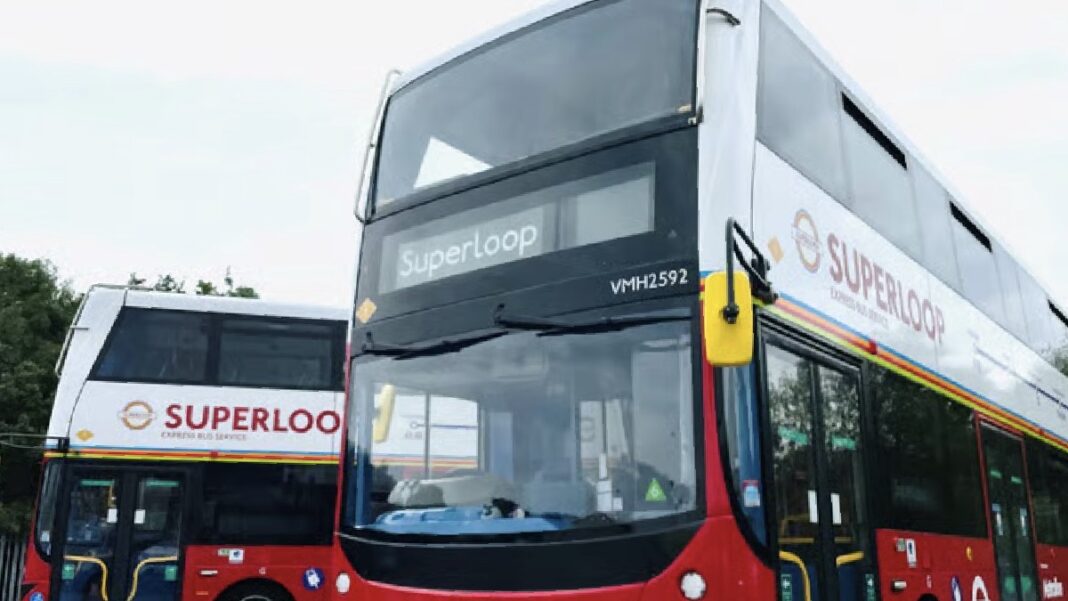
Despite the cuts, TfL is expanding its limited-stop Superloop network, designed to improve connections in outer London. The SL8 Superloop route will see improved frequency, with buses running every eight minutes during the day.
TfL says it regularly reviews services to match demand and ensure value for money. Officials argue that allowing more time between buses can improve reliability and reduce delays caused by congestion.
However, critics argue that reducing services may worsen overcrowding on some routes. In Woolwich, for example, the withdrawal of route 472 after the introduction of the SL11 has reportedly led to heavy crowding on the 177 route.
TfL expects passenger income in 2025/26 to be £112 million lower than forecast, largely due to declining bus use. The organisation predicts only a small operating surplus of £5 million by the end of the financial year, highlighting ongoing financial pressures on London’s transport system.