Iran war may trigger global energy crisis risk
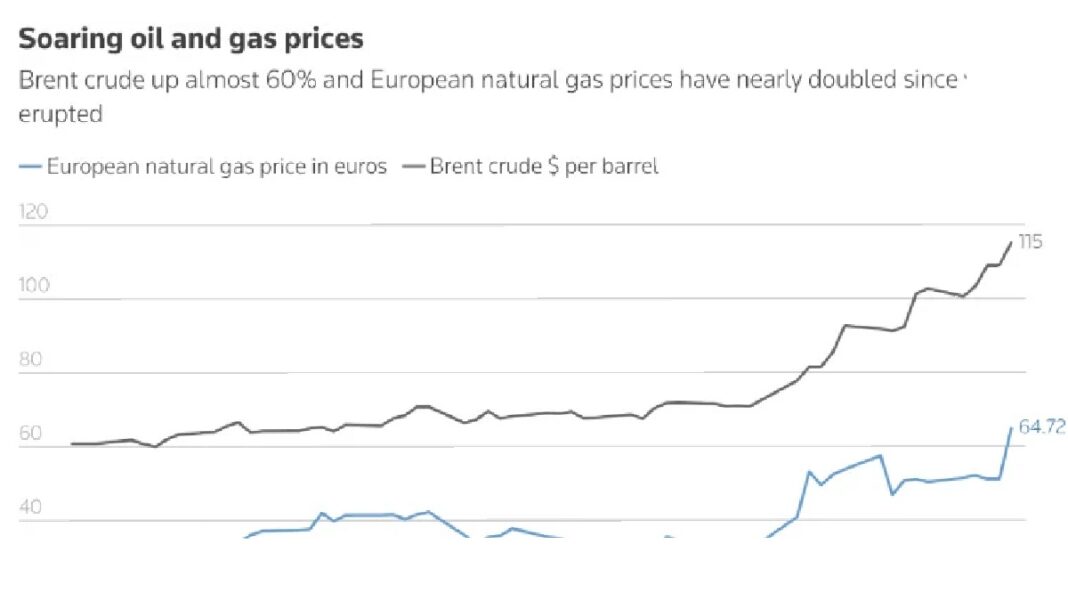
Any prolonged conflict involving Iran risks triggering a severe global energy crisis, with consequences that could ripple across every major economy. While the impact would be widespread, some countries are significantly more vulnerable than others due to their energy dependence and economic conditions.
The G7 Economies
Europe is particularly exposed, as a new energy shock revives memories of the crisis following Russia’s invasion of Ukraine. That event exposed the region’s reliance on imports and drove inflation into double digits.
Germany
Germany’s industry-driven economy is especially sensitive to rising energy costs. Its manufacturing sector has only recently stabilized after contracting since 2022. As a major exporter, Germany is also vulnerable to a global slowdown. Although a large stimulus package announced last year may soften the blow, limited fiscal space restricts further support.
Italy
Italy faces similar risks due to its sizable manufacturing base. It also relies heavily on oil and gas, which account for a large share of its energy consumption.
Britain
The UK is highly dependent on gas-fired electricity, meaning rising gas prices quickly translate into higher power costs. While an energy price cap may limit short-term inflation, it could lead to prolonged high interest rates. Combined with rising unemployment and budget constraints, this leaves the UK with limited room to respond.
Japan
Japan is particularly vulnerable due to its heavy reliance on Middle Eastern oil—about 95% of its supply—with most shipments passing through the Strait of Hormuz. A weak yen is already driving inflation, especially for imported goods like food and raw materials.
Emerging Economy Heavyweights
The Gulf region faces direct disruption. Even though higher oil prices can boost revenues, they offer little benefit if exports are hindered by a closure of the Strait of Hormuz. Countries such as Kuwait, Qatar, and Bahrain could struggle to get their energy supplies to global markets.
Remittances—money sent home by foreign workers—may also decline, reducing a vital income source for many households across the region.
India
India is highly exposed, importing around 90% of its crude oil and nearly half of its LPG. Much of this passes through the Strait of Hormuz. The resulting price surge is already weakening growth forecasts and pushing the rupee to record lows. Rising fuel costs are even affecting daily life, with some foods disappearing from menus due to informal gas rationing.
Turkey
Sharing a border with Iran, Turkey faces both geopolitical and economic pressures, including the risk of refugee inflows. Its central bank has already halted interest rate cuts and spent up to $23 billion in reserves to stabilize the currency, reflecting renewed inflation concerns.
The Most Fragile Economies
Some countries are especially at risk due to recent economic instability.
Sri Lanka
Sri Lanka has introduced drastic measures to conserve energy, including making Wednesdays a public holiday for government workers. Schools and public services are being scaled back, and fuel purchases are now tightly controlled.
Pakistan
Pakistan, which narrowly avoided a crisis in recent years, has raised fuel prices and temporarily closed schools. Government spending is being cut, with restrictions on fuel use and purchases of non-essential items.
Egypt
Egypt faces rising fuel and food costs alongside declining revenues from tourism and the Suez Canal—key sources of income. Its financial burden is worseningGlobal Economies on Edge as Iran War Threatens Energy Supplies
Any prolonged conflict involving Iran risks triggering a severe global energy crisis, with consequences that could ripple across every major economy. While the impact would be widespread, some countries are significantly more vulnerable than others due to their energy dependence and economic conditions.
The G7 Economies
Europe is particularly exposed, as a new energy shock revives memories of the crisis following Russia’s invasion of Ukraine. That event exposed the region’s reliance on imports and drove inflation into double digits.
Germany
Germany’s industry-driven economy is especially sensitive to rising energy costs. Its manufacturing sector has only recently stabilized after contracting since 2022. As a major exporter, Germany is also vulnerable to a global slowdown. Although a large stimulus package announced last year may soften the blow, limited fiscal space restricts further support.
Italy
Italy faces similar risks due to its sizable manufacturing base. It also relies heavily on oil and gas, which account for a large share of its energy consumption.
Britain
The UK is highly dependent on gas-fired electricity, meaning rising gas prices quickly translate into higher power costs. While an energy price cap may limit short-term inflation, it could lead to prolonged high interest rates. Combined with rising unemployment and budget constraints, this leaves the UK with limited room to respond.
Japan
Japan is particularly vulnerable due to its heavy reliance on Middle Eastern oil—about 95% of its supply—with most shipments passing through the Strait of Hormuz. A weak yen is already driving inflation, especially for imported goods like food and raw materials.
Emerging Economy Heavyweights
The Gulf region faces direct disruption. Even though higher oil prices can boost revenues, they offer little benefit if exports are hindered by a closure of the Strait of Hormuz. Countries such as Kuwait, Qatar, and Bahrain could struggle to get their energy supplies to global markets.
Remittances—money sent home by foreign workers—may also decline, reducing a vital income source for many households across the region.
India
India is highly exposed, importing around 90% of its crude oil and nearly half of its LPG. Much of this passes through the Strait of Hormuz. The resulting price surge is already weakening growth forecasts and pushing the rupee to record lows. Rising fuel costs are even affecting daily life, with some foods disappearing from menus due to informal gas rationing.
Turkey
Sharing a border with Iran, Turkey faces both geopolitical and economic pressures, including the risk of refugee inflows. Its central bank has already halted interest rate cuts and spent up to $23 billion in reserves to stabilize the currency, reflecting renewed inflation concerns.
The Most Fragile Economies
Some countries are especially at risk due to recent economic instability.
Sri Lanka
Sri Lanka has introduced drastic measures to conserve energy, including making Wednesdays a public holiday for government workers. Schools and public services are being scaled back, and fuel purchases are now tightly controlled.
Pakistan
Pakistan, which narrowly avoided a crisis in recent years, has raised fuel prices and temporarily closed schools. Government spending is being cut, with restrictions on fuel use and purchases of non-essential items.
Egypt
Egypt faces rising fuel and food costs alongside declining revenues from tourism and the Suez Canal—key sources of income. Its financial burden is worsening