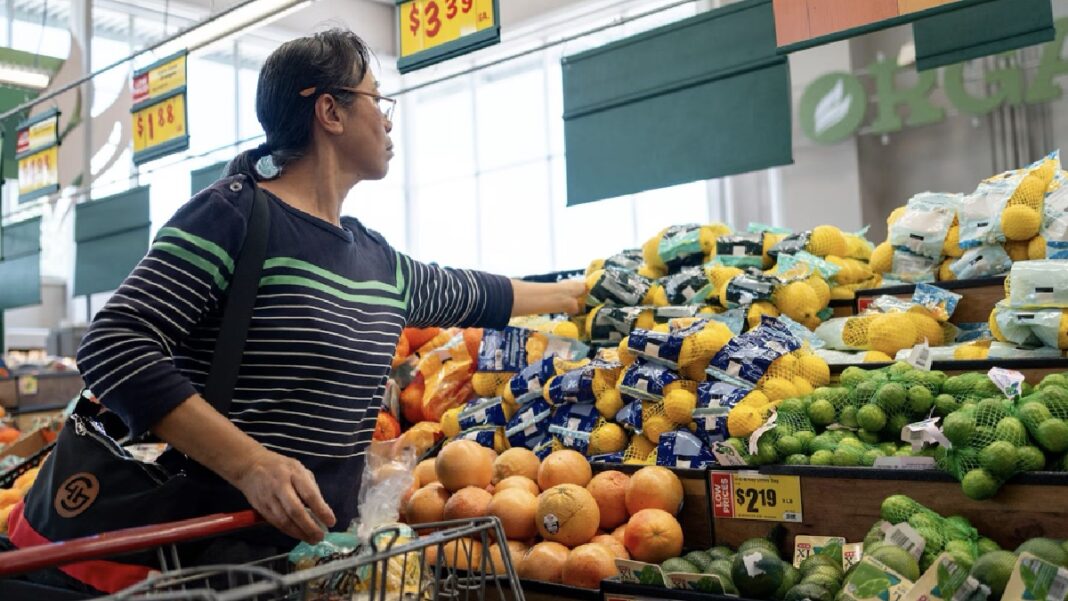
Tomatoes and Coffee See Sharp Price Hikes
Grocery shoppers across the United States are facing the sharpest monthly increase in food prices in nearly four years. According to new data from the U.S. Bureau of Labor Statistics (BLS), prices for everyday items — from tomatoes and seafood to coffee and beef — surged in April, putting additional pressure on household budgets.
Fresh vegetables now cost 11.5% more than a year ago, while seafood prices have risen 6.2%. Analysts say several factors are driving the spike, including rising fuel costs, tariffs, and weather-related supply shortages.
One major cause is the recent disruption in global energy markets linked to the Iran war. The conflict led Iran to close the Strait of Hormuz, a critical shipping route responsible for transporting about 20% of the world’s oil supply. As oil supplies tightened, diesel prices soared. According to AAA data, diesel now costs about 60% more than it did a year ago.
Higher diesel prices have a direct impact on food costs because trucks and cargo ships that move food across the supply chain rely heavily on diesel fuel. Perishable foods such as fruits, vegetables, dairy, and meat are especially vulnerable because they require fast transportation and refrigeration.
“Whenever there is disruption in energy markets, it works its way into food prices eventually,” said Parke Wilde, a food economist at Tufts University.
The impact is already visible in produce aisles. Prices for fresh fruits and vegetables increased 2.3% in April alone and are up 6.5% compared with last year — more than double the overall grocery inflation rate.
Tomatoes have seen one of the most dramatic increases, with prices jumping 39% over the past year. Experts say this is due to a combination of rising transportation costs, poor harvests in Mexico caused by severe weather, and a 17% tariff on Mexican tomatoes introduced last year. Since the U.S. imports a significant portion of its tomatoes from Mexico, reduced supply has quickly translated into higher prices for consumers.
Dairy products are also becoming more expensive. After declining earlier in the year, dairy prices rose 0.8% in April, another sign that perishable foods are being hit hardest by rising distribution costs.
Other staples are experiencing steep increases as well. Coffee prices climbed 18.5% over the past year, while beef prices rose 14.8%. Drought conditions have reduced supply for both products, though tariffs also contributed before some of those levies were removed last fall.
Despite these price hikes, consumer demand has remained relatively strong. “Even at these high prices, consumption hasn’t decreased much,” said Michigan State University food economist David Ortega.
Economists caution that monthly food prices can fluctuate and that it is difficult to pinpoint a single cause for every increase. Still, the latest data highlights how global conflicts, energy markets, climate conditions, and trade policies are combining to make groceries more expensive for American consumers