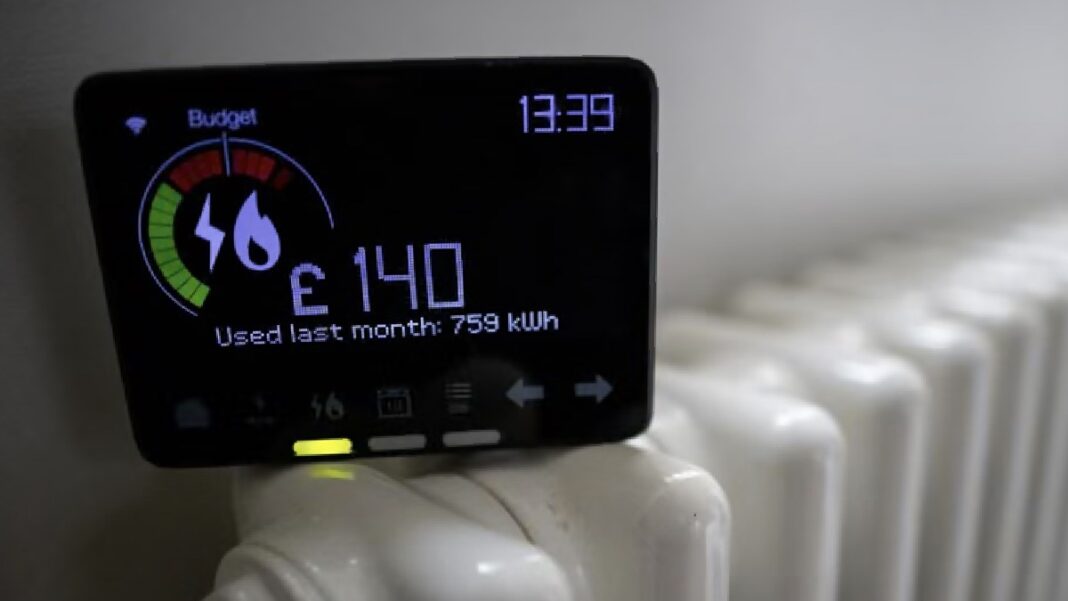
Ofgem confirms 7% cut to energy price cap from April
From 1 April, the typical annual dual-fuel bill will drop to £1,641, down from £1,758 — a saving of roughly £10 a month for the average household. It marks the biggest reduction since last summer.
The move follows changes set out in November’s budget by the chancellor, Rachel Reeves, who pledged to cut household energy bills by £150 a year by removing or reallocating green levies. However, the actual reduction is smaller than promised because rising network costs have offset some of the savings.
What is driving the fall?
The main factor behind the lower cap is the government’s decision to overhaul environmental and social levies added to energy bills.
Measures include:
Ending the Energy Company Obligation (ECO) home insulation scheme.
Funding older renewable energy projects through general taxation instead of energy bills.
Moving the cost of the warm homes discount from standing charges into unit rates.
The energy price cap limits how much suppliers can charge customers on default tariffs for each unit of electricity and gas, as well as daily standing charges.
From April:
Electricity unit rates fall from 28p to 25p per kWh.
Gas unit rates remain at about 6p per kWh.
Electricity standing charges rise from 54.75p to 57.21p a day.
Gas standing charges fall from 35.09p to 29.09p a day.
Wholesale energy prices — the largest component of bills — have been broadly stable and are around 6% lower than three months ago, according to Ofgem. But the cost of maintaining and upgrading Britain’s energy networks, including power lines and gas pipes, has increased, adding around £6 a month to bills.
What about households on fixed deals?
Although the cap applies to default tariffs, most customers on fixed deals are also expected to benefit.
Because the reduction stems largely from government policy changes rather than market-only movements, suppliers are adjusting fixed tariffs too.
Consumer finance campaigner Martin Lewis said most fixed deals are likely to fall by between 7% and 9% from April. However, he noted that not every tariff will drop, as some smaller suppliers were exempt from ECO costs in the first place.
Customers should receive confirmation from their energy provider explaining how the changes will affect their specific contract.
Will bills continue to fall?
While the April cut offers relief, analysts warn that it may not signal a sustained downward trend.
Forecasts suggest average annual bills across 2026 will hover around £1,645 — roughly £200 lower in real terms than in 2024. However, energy market experts expect the cap to edge up again when it is reviewed in three months’ time.
Jonathan Marshall, principal economist at the Resolution Foundation, said the announcement was “genuinely good news for families who’ve been squeezed hard by energy bills for years”. But he cautioned that bills remain well above pre-energy crisis levels and that rising network costs are likely to continue pushing prices upward.
He also warned that when government support tapers off later in the decade, ministers may face a difficult choice between allowing bills to jump or finding additional funding from the Treasury.
Should households switch tariffs?
Ofgem is urging consumers to shop around, arguing that the price cap is a safeguard rather than the cheapest option available.
About 60% of households remain on default tariffs. Last year, customers on fixed deals paid on average £115 less than those on the cap.
According to Lewis, the cheapest fixed tariffs are currently around 14% below the cap and are likely to remain competitive after April’s changes. Some offers are more than £100 cheaper than the new cap level, including deals from suppliers such as Fuse Energy and Outfox Energy.
As savings vary depending on location and usage, households are encouraged to use comparison tools and speak to their supplier about alternatives — including electric vehicle tariffs and time-of-use plans.
While the April reduction brings welcome relief, energy costs remain significantly higher than before the crisis, and further volatility cannot be ruled out.