Trump’s threatened the BBC with a $1B lawsuit
The British Broadcasting Corporation (BBC) issued a personal apology to U.S. President Donald Trump on Thursday but stated that there is no legal basis for him to sue the public broadcaster over a documentary his lawyers claim is defamatory.
The documentary, aired on the BBC’s Panorama program just before the 2024 U.S. presidential election, edited together three separate parts of Trump’s speech from January 6, 2021, the day his supporters stormed the U.S. Capitol.
This edit created the misleading impression that Trump had called for violence.
In a statement, the BBC said:
“While the BBC sincerely regrets the manner in which the video clip was edited, we strongly disagree that there is a basis for a defamation claim.”
Trump’s legal team threatened on Sunday to sue the BBC for up to $1 billion in damages unless the broadcaster retracted the documentary, apologized, and compensated Trump for alleged financial and reputational harm.
Although the BBC argued that Trump’s defamation claim lacks merit—indirectly suggesting his financial claim is also unfounded—the broadcaster did not directly address Trump’s demand for compensation.
BBC Chair Samir Shah sent a personal letter to the White House on Thursday, expressing regret over the editing. Earlier in the week, Shah had apologized to a British parliamentary oversight committee, calling the edit an “error of judgement.”
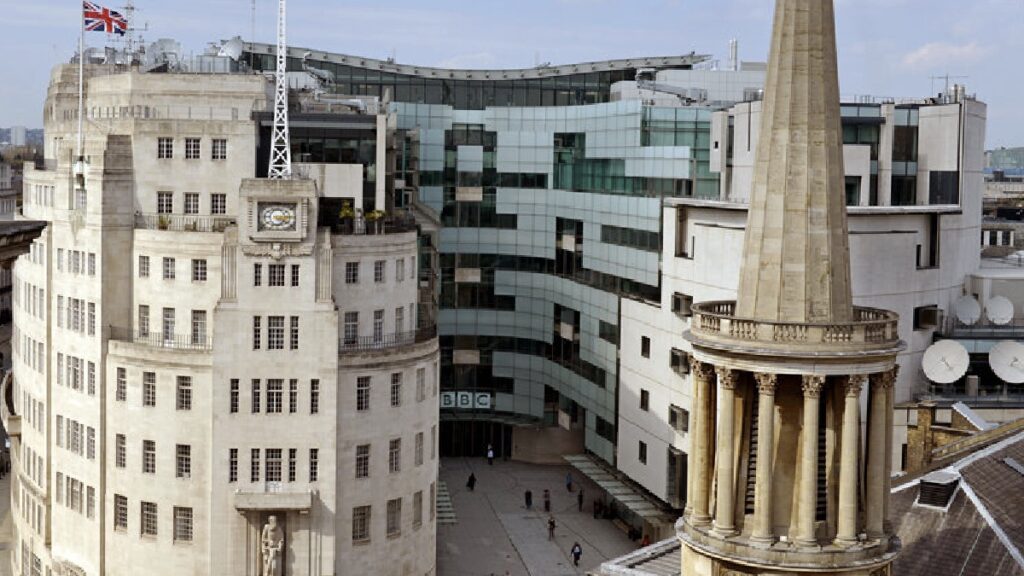
The BBC added that it does not plan to rebroadcast the documentary on any of its platforms.
The broadcaster is now investigating new allegations reported by The Telegraph regarding the editing of the same Trump speech by another BBC program, Newsnight.
The controversy has triggered one of the biggest crises in decades for the BBC, with two senior executives resigning amid accusations of political bias. The claims emerged after a leaked internal standards report.
Meanwhile, Verizon is preparing to cut approximately 15,000 jobs, marking the largest workforce reduction in the company’s history.
Founded in 1922 and funded primarily through a license fee paid by TV owners, the BBC currently lacks a permanent leader as the UK government reconsiders its future funding model.
The BBC remains a core pillar of Britain’s global soft power, and UK Prime Minister Keir Starmer stated on Wednesday that he supports a “strong and independent BBC.”