Bulgaria’s PM Resigns Amid Mass Protests Over Budget and Euro Plan
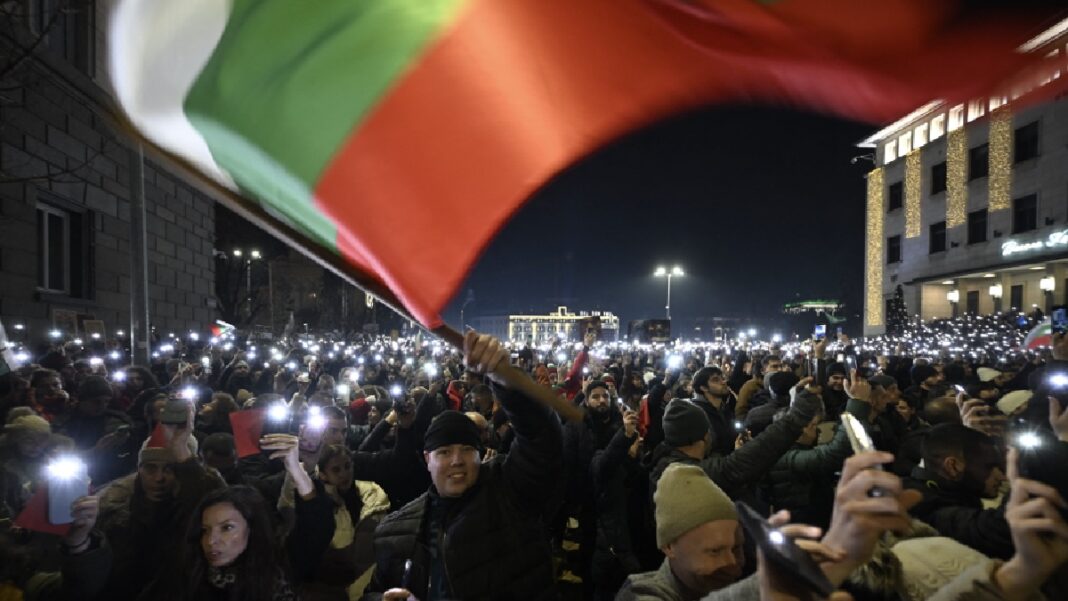
The political crisis in Bulgaria has captured global attention after Prime Minister Rosen Zhelyazkov resigned on 11 December following days of unprecedented mass protests across the country. Demonstrators took to the streets to oppose a controversial budget law that would raise taxes on the private sector to finance higher salaries for civil servants, a move critics say benefits the ruling elite.
The tension mounted as the government prepared to pass its first euro adoption law ahead of the planned transition to the euro on 1 January 2026. Many Bulgarians fear the shift will trigger rising prices in an already fragile economy—the lowest GDP per capita in the European Union.
The protests were driven not only by economic fears but also by widespread accusations of corruption. Opposition parties Democratic Bulgaria and Continue the Change helped mobilize thousands, but the movement drew support from across the political spectrum. Signs reading “Mafia rule is over!” highlighted the public’s frustration with entrenched power structures.
Zhelyazkov’s coalition had depended on support from controversial political figure Delyan Peevski, sanctioned by both the US and UK for corruption. His influence within the governing alliance deepened public anger and accelerated the government’s collapse.
With seven elections in three years, Bulgaria now appears headed toward an eighth, as President Rumen Radev calls for early elections. Analysts warn that forming a stable majority will remain challenging, though the opposition parties gaining strength from the protests may reshape Bulgaria’s political landscape.
Until a new government is formed, Zhelyazkov will remain in office for current affairs and is expected to attend the European Council meeting on 18 December.The World Is Talking About Bulgaria as Mass Protests Force Prime Minister to Resign
The political crisis in Bulgaria has captured global attention after Prime Minister Rosen Zhelyazkov resigned on 11 December following days of unprecedented mass protests across the country. Demonstrators took to the streets to oppose a controversial budget law that would raise taxes on the private sector to finance higher salaries for civil servants, a move critics say benefits the ruling elite.
The tension mounted as the government prepared to pass its first euro adoption law ahead of the planned transition to the euro on 1 January 2026. Many Bulgarians fear the shift will trigger rising prices in an already fragile economy—the lowest GDP per capita in the European Union.
The protests were driven not only by economic fears but also by widespread accusations of corruption. Opposition parties Democratic Bulgaria and Continue the Change helped mobilize thousands, but the movement drew support from across the political spectrum. Signs reading “Mafia rule is over!” highlighted the public’s frustration with entrenched power structures.
Zhelyazkov’s coalition had depended on support from controversial political figure Delyan Peevski, sanctioned by both the US and UK for corruption. His influence within the governing alliance deepened public anger and accelerated the government’s collapse.
With seven elections in three years, Bulgaria now appears headed toward an eighth, as President Rumen Radev calls for early elections. Analysts warn that forming a stable majority will remain challenging, though the opposition parties gaining strength from the protests may reshape Bulgaria’s political landscape.
Until a new government is formed, Zhelyazkov will remain in office for current affairs and is expected to attend the European Council meeting on 18 December.
Source AFP