Middle East Airspace Shutdown Leaves Travellers Stranded Worldwide
Regional travel has descended into chaos following continued military strikes between the US, Israel, and Iran. The escalation has forced the closure of critical global transit hubs and triggered what may become one of the UK’s largest-ever emergency evacuations.
A Region at a Standstill
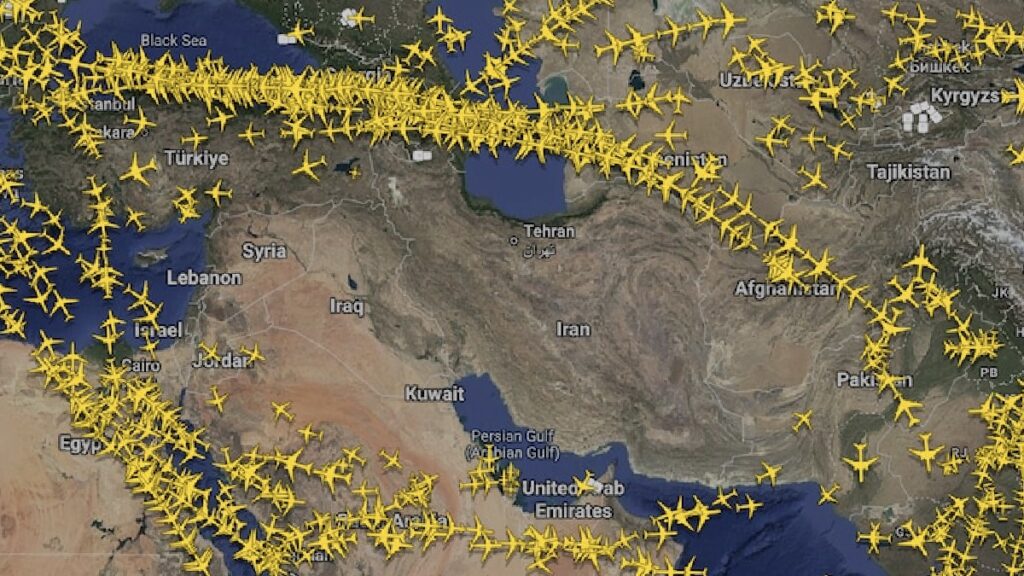
On Sunday, the skies over the Middle East went virtually silent. Major aviation arteries were severed as Israel, Qatar, Syria, Iran, Iraq, Kuwait, and Bahrain shuttered their airspace. The United Arab Emirates also announced a “temporary and partial closure,” effectively halting operations at some of the world’s most vital airports.
• Total Flight Cancellations: Over 3,400 flights were axed across seven primary regional airports.
• Hubs Affected: Dubai International (the world’s busiest for international transit), Abu Dhabi’s Zayed International, and Doha’s Hamad International.
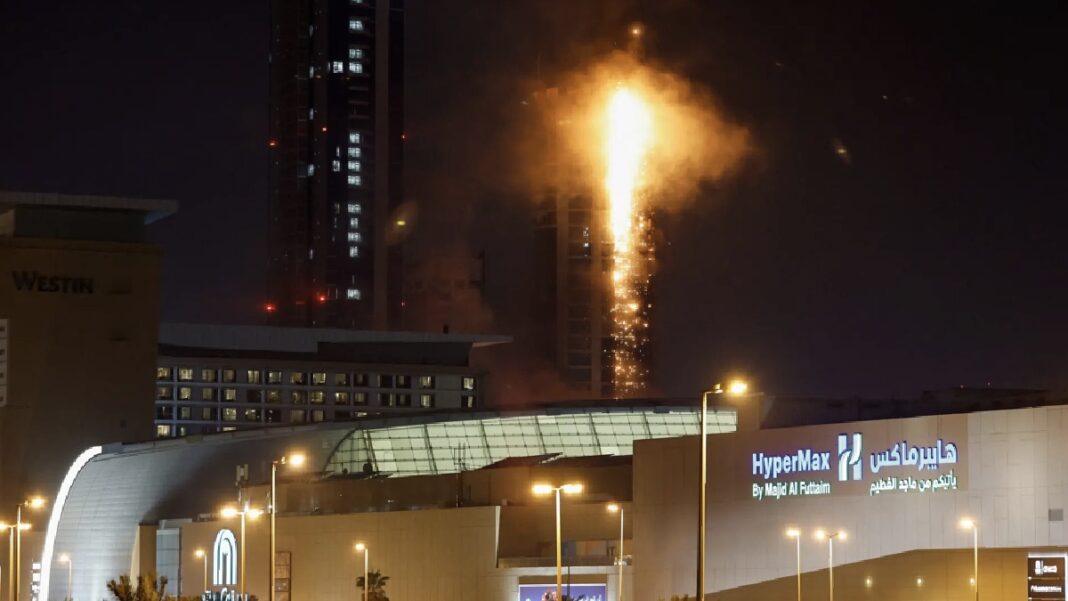
• Infrastructure Damage: Reports indicate that Iran’s retaliatory strikes caused physical damage to Dubai International and the Burj Al Arab hotel. One fatality was reported following an incident at Abu Dhabi’s Zayed International Airport.
The Human Toll and Stranded Travelers
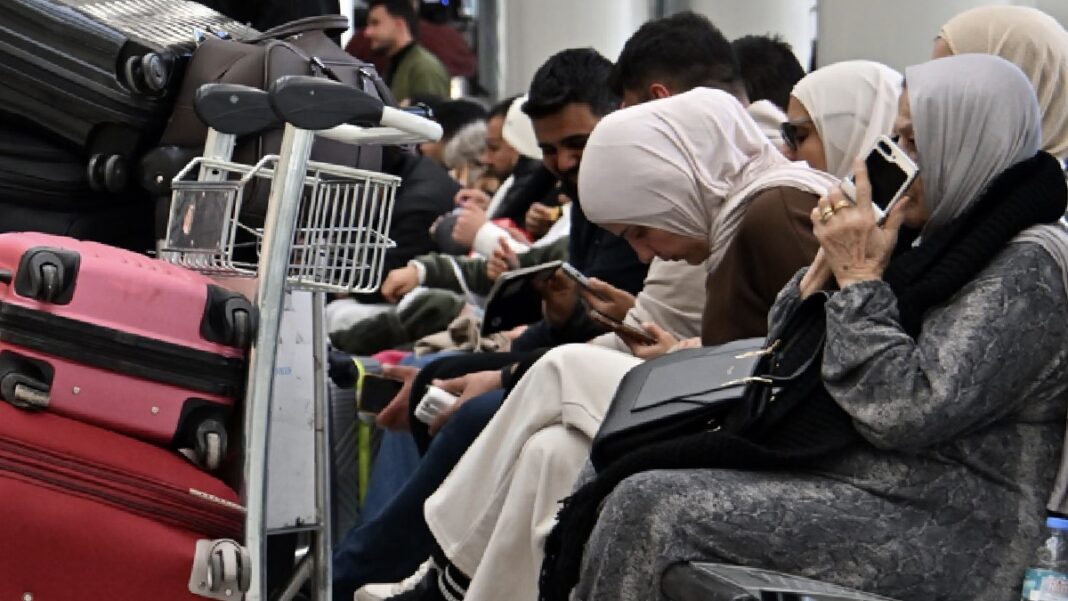
The grounding of Emirates, Qatar Airways, and Etihad has left a massive logistical vacuum. These “Big Three” carriers typically move 90,000 passengers daily through their respective hubs.
Industry analyst Henry Harteveldt warned there is “no way to sugarcoat” the situation, advising travelers to prepare for multi-day disruptions. The complexity is compounded by flight crews and aircraft being displaced globally, making a quick “reset” of the flight schedule nearly impossible.
“It is not only customers, it is the crews and aircraft all over the place,” noted aviation expert John Strickland
UK Government Response
The Foreign Office is currently monitoring more than 76,000 British citizens in the affected zones—the majority of whom are holidaymakers in the UAE.
• Evacuation Planning: The UK is preparing for a massive logistical undertaking to extract citizens if the situation deteriorates further.
• Travel Advisories: * Do Not Travel: Iran, Israel, and Palestine.
• Essential Travel Only: UAE, Qatar, Kuwait, and Bahrain.
• Stay at Home: British nationals in Saudi Arabia.
Narrowing Corridors
The crisis is being squeezed by secondary tensions elsewhere; ongoing fighting between Pakistan and Afghanistan has further restricted the available “safe” corridors for airlines, forcing carriers into increasingly narrow and congested flight paths.
While some airlines have begun issuing fee waivers for rebooking, many travelers—like Jonathan Escott, whose Emirates flight from Newcastle was cancelled—remain in limbo. “No one really knows what’s going on,” Escott said. “Emirates don’t have a clue.”
Iranian airspace is currently expected to remain closed until at least 8:30 AM UK time on Tuesday, though experts suggest the ripple effects will be felt for weeks.