Oldest Musical Instruments Unearthed
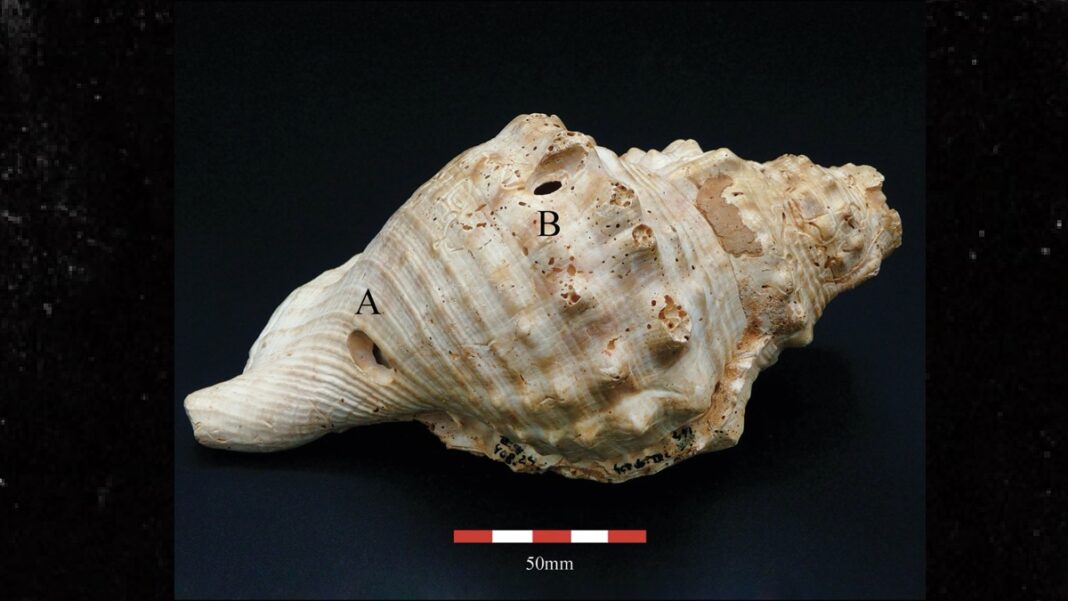
Archaeologists in Catalonia have uncovered a collection of Neolithic conch-shell trumpets that may represent some of the oldest known musical instruments in European history. Dating back 6,000 years, these shells were discovered in ancient settlements and variscite mines across northeastern Spain, revealing a sophisticated early sound technology capable of producing tones similar to a modern French horn.
A Childhood Sound Inspires a Scientific Discovery
Lead researcher Miquel López García—an archaeologist, musicologist, and professional trumpet player—was first captivated by the resonant sound of conch shells as a child in Almería, where families traditionally used them to warn villagers of floods. Years later, that fascination guided his experimental study of eight well-preserved shell trumpets found in Catalonia.
In November 2024, López García successfully produced a “powerful, stable and recognisable tone” from the shells. Their acoustic clarity surprised researchers, given the shells’ minimal modification beyond the removal of their pointed tips.
More Than Simple Signal Tools
Working with co-author Margarita Díaz-Andreu, López García explored the shells’ full musical potential. By altering airflow, shaping consonant sounds, and placing his hand inside the shell’s opening—techniques familiar to brass players—he demonstrated that the instruments could:
- Change pitch and tone
- Produce varied timbres
- Allow for improvisation
- Create expressive, melodic soundscapes
These findings suggest that the conches were not just signaling devices but early musical instruments capable of emotional expression.
A Technology Rooted in Prehistory
The study highlights that conch-shell trumpets represent one of Europe’s longest-surviving sound-producing technologies. A nearly identical instrument found in France’s Marsoulas Cave, dated to 18,000 BC, underscores a remarkable continuity: similar instruments were used from the Upper Paleolithic through to the 20th century, including by López García’s own family.
Communication, Music, and Human Expression
The researchers propose that Neolithic communities may have used the shells for:
- Long-distance communication between settlements
- Coordination among miners in complex underground galleries
- Ritual or musical expression, supported by their melodic capacity
López García notes that the discovery raises profound questions about the origins of human music:
Was early sound-making primarily practical, driven by survival, or was it also a deeply human need for emotion, bonding, and artistic expression?
A Bridge Between the Ancient and the Modern
With tones resembling modern brass instruments like trumpets and trombones, the Neolithic conches provide a rare acoustic window into prehistoric life. Their expressive abilities hint that early humans may have crafted not only tools for survival but also instruments for creativity, communication, and cultural identity.