London and South England House Prices Decline for First Time in 18 Months
House prices across London and southern England slipped for the first time in a year and a half in October, according to new figures from the Zoopla House Price Index, as growing Budget speculation unsettled buyers and sellers.
Budget Tension and Fiscal Drag Cool Buyer Demand
In the run-up to Rachel Reeves’ Budget announcement, rumours of new property taxes—particularly on homes valued above £500,000—created a climate of uncertainty across some of England’s priciest markets.
Zoopla reported that this unease led to:
A 12% fall in buyer demand
Fewer sales being agreed
Slower market activity since the summer
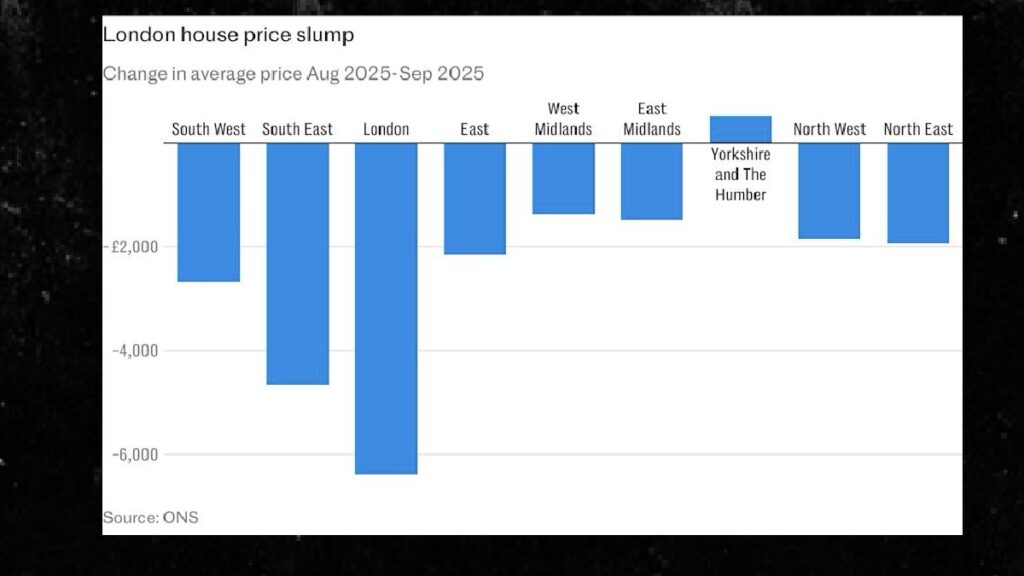
This caution marked the first annual fall in house prices in the South for 18 months, with values dipping 0.1% in London, 0.1% in the South East, and 0.2% in the South West.
High-Value Regions Hit Hardest
Southern England—where more than one-third of homes for sale exceed £500,000—felt the effects most sharply.
Zoopla noted that “increased uncertainty, combined with wider market pressures, has pushed prices lower.”
The supply of homes for sale in southern regions is now 8% to 15% higher than a year ago, adding further downward pressure on prices.
David Powell, CEO of Andrews Estate Agents, said:
“House price growth in the South may remain flat in the short term as the market adjusts to the new normal.”
Homeowners Relieved as £500k Property Tax Fails to Materialise
One major concern was lifted when Reeves did not introduce an annual tax on homes bought for more than £500,000.
This decision brought relief to many households, with more than 210,000 properties listed above this threshold—around a quarter of all UK listings, heavily concentrated in the South and making up half of all London listings.
Zoopla’s Richard Donnell said removing the threat would help “revive activity in higher-value areas.”
Stamp Duty: The Issue Reeves Left Untouched
While she avoided new housing taxes, Reeves also left stamp duty unchanged, despite thresholds dating back to 2014.
Since then, house prices have jumped 47%, pushing far more buyers into paying the duty.
According to Zoopla:
Over 90% of buyers across southern England and the Midlands now pay stamp duty
Burdens are highest where home values are greatest
Buyers of typical homes in many southern towns now pay 3% or more in stamp duty
Examples:
Aldershot: £9,500 (2.5%)
Crawley: £10,650 (2.6%)
Zoopla added:
“The case for abolishing stamp duty as part of wider tax reforms remains strong.”
What’s Next for the Market?
Despite recent disruption, Zoopla remains positive about the outlook, saying underlying demand to move home “remains strong.”
The portal expects confidence to return as Budget uncertainty fades, with a rebound in activity likely to build into the New Year.
Regional differences are expected to persist, with the South lagging behind the rest of the UK, but rising incomes are seen as key to improving affordability and boosting mobility.
Lenders Respond With Mortgage Rate Cuts
Following the Budget, Nationwide and Virgin Money both announced reductions to selected mortgage rates of up to 0.19%, covering products for first-time buyers, home movers, remortgagers, and existing customers.
Mortgage director Jack Tutton commented:
“After a day of tax increases, these lenders are easing pressure by reducing rates, ensuring buyers and existing homeowners alike can benefit.”