Spain rejects Trump pressure over Iran strikes
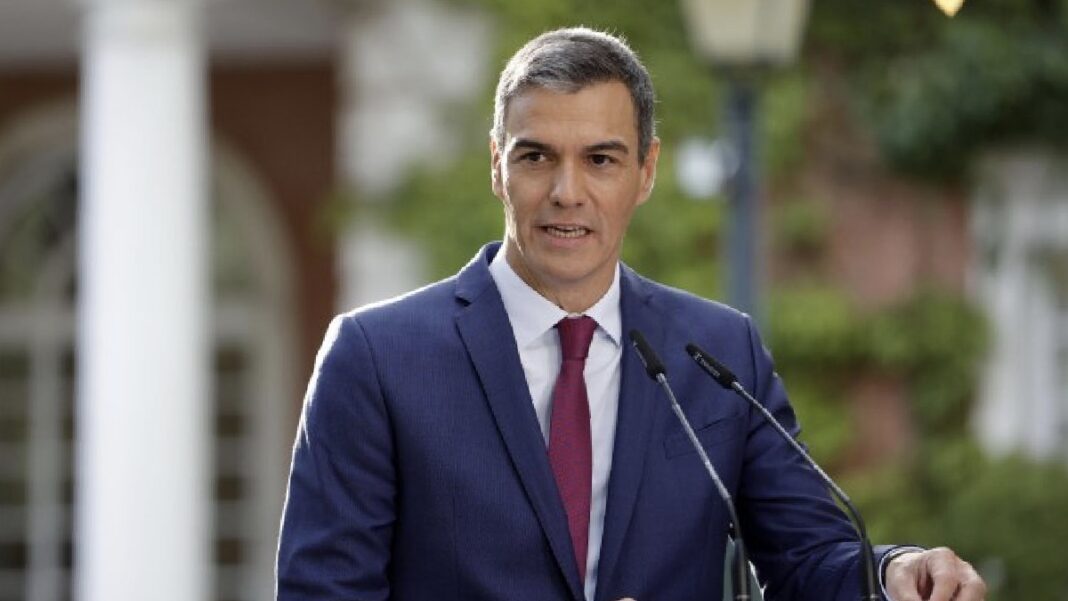
Spanish Prime Minister Pedro Sánchez has firmly rejected pressure from the United States to support its military actions against Iran, declaring that Spain will not be drawn into a widening Middle East conflict. His statement came after U.S. President Donald Trump threatened to cut off trade with Spain for refusing to allow American forces to use Spanish bases for the strikes.
Speaking on Wednesday, Sánchez said Spain’s position could be summarized in three words: “No to war.” He warned that the escalating situation in the Middle East risks becoming a dangerous gamble with global stability, comparing it to “playing Russian roulette with the destiny of millions.”
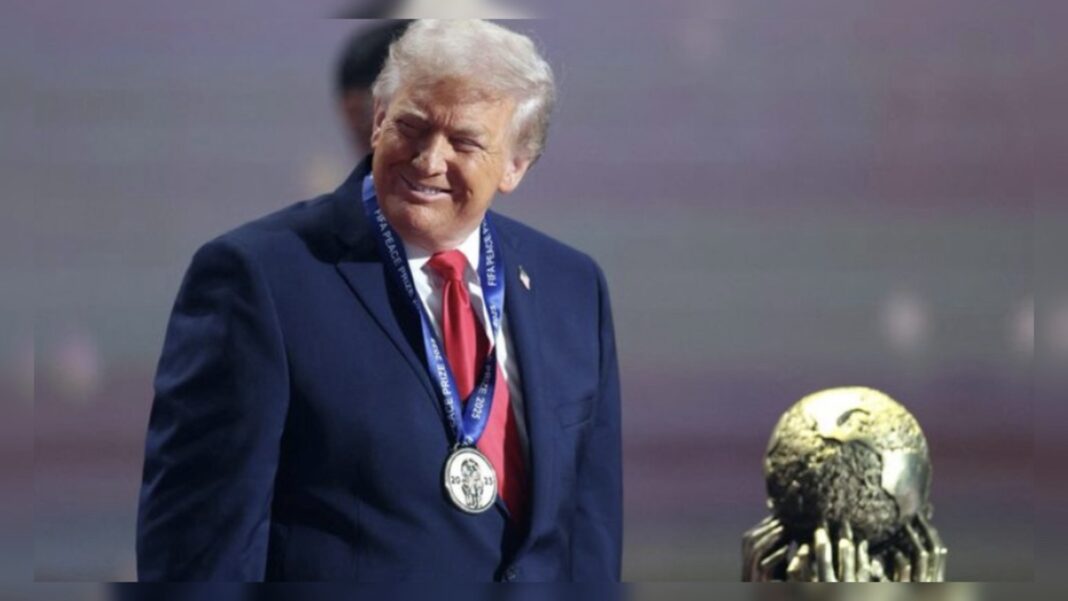
Trump had criticized Spain a day earlier during a meeting with German Chancellor Friedrich Merz, accusing Madrid of being “terrible” for denying U.S. access to joint military bases in southern Spain. According to Trump, he had instructed Treasury Secretary Scott Bessent to halt all commercial dealings with the country in response.
Sánchez responded by insisting Spain would not support actions it believes could worsen global instability. He stressed that governments should act in the interests of their citizens and global peace rather than be driven by fear of retaliation.
“You cannot answer one illegality with another,” Sánchez said, urging the United States, Israel, and Iran to stop the conflict before it escalates further. He warned that the war could become prolonged, bring heavy casualties, and have severe economic consequences worldwide.
The Spanish leader also drew parallels with the 2003 invasion of Iraq, which had been supported by Spain’s former conservative government under José María Aznar. Sánchez argued that the war, originally justified by claims about weapons of mass destruction and promises of democracy, ultimately created widespread instability across Europe and the Middle East.
Meanwhile, confusion emerged after White House press secretary Karoline Leavitt suggested Spain had reconsidered its stance and agreed to cooperate with the U.S. military. Spanish officials quickly rejected the claim. Foreign Minister José Manuel Albares said Spain’s position had “not changed one iota,” reaffirming that Madrid remains opposed to the war and to the use of its bases for the strikes.
The dispute also exposed wider tensions between Washington and its European allies. Trump criticized Spain for refusing NATO’s proposal to increase defense spending to 5% of GDP and attacked several European leaders, including UK Prime Minister Keir Starmer.
German Chancellor Merz later defended Spain, stating that the country could not be singled out in trade negotiations because tariff discussions with the United States are handled collectively by the European Union.
European officials echoed that message. EU internal market commissioner Stéphane Séjourné warned that any threat against a single EU member state would be treated as a threat against the entire bloc. Other EU figures said Trump’s confrontational approach toward European leaders risks increasing global instability and harming economic cooperation.
Despite the escalating rhetoric, Spain has maintained its stance: it will not support the military campaign against Iran and remains committed to its “no to war” policy.