SUV Growth and Speeding Increase Crash Risks
When Lucian Mîndruță looks back on his driving history, he counts eight crashes. The first happened when he swerved to avoid a village dog and struck another car. The second came after he failed to notice a right-of-way sign and was hit at a junction. The third saw him skid on ice and crash into two trees. The remaining incidents were minor traffic scrapes.
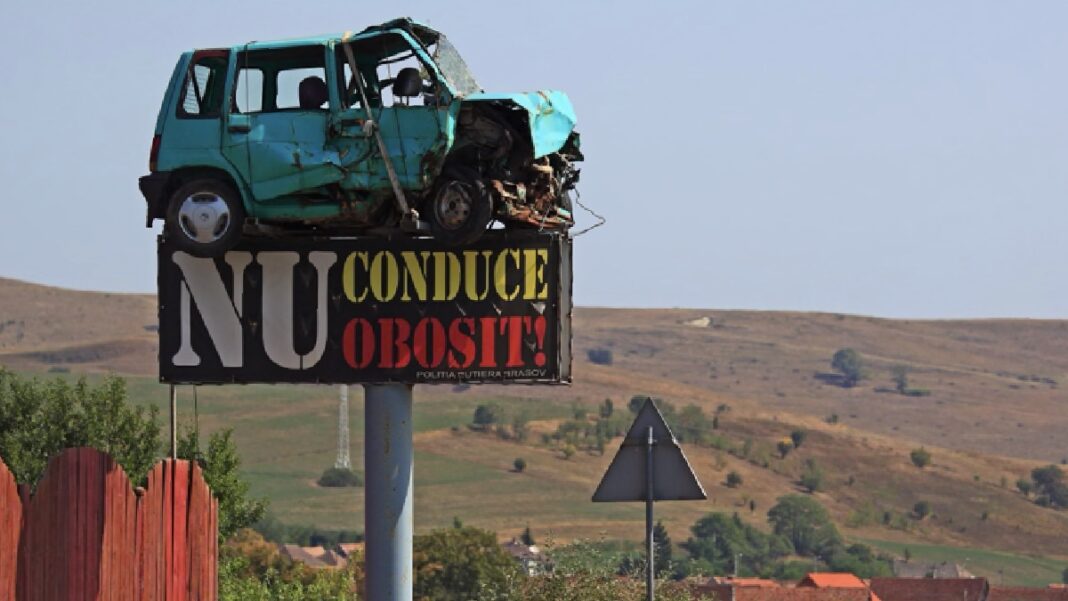
That he survived them all — without causing a fatality — is far from guaranteed in Romania, which has the highest road death rate in the European Union. In 2024, 78 people per million died in traffic accidents, with around 1,500 lives lost overall. Nearly half of those killed were pedestrians, cyclists, or other vulnerable road users.
“I wasn’t careful enough. I wasn’t driving slowly enough or paying enough attention,” said Mîndruță, a Bucharest-based journalist and radio host, whose last serious crash occurred two decades ago. “I learned the hard way.”
Road crashes are the leading cause of death among children and young adults globally. Yet efforts to reduce fatalities often struggle to gain sustained political momentum. Across Europe, car crashes claim five times more lives than homicide. The EU is already falling behind its goal of halving road deaths by 2030.
Facing growing public frustration, Romanian authorities have begun tightening road safety measures. In 2024, lawmakers formally defined aggressive driving — including tailgating and intimidation — and increased penalties for dangerous behavior. Authorities are also rolling out speed cameras and automated systems to detect violations.
Still, structural reforms remain slow. In October, the European Commission issued Romania a formal notice over failures to fully implement EU road safety rules. Advocacy groups argue that deep-rooted attitudes — including what they describe as a “selfish” driving culture — will take years to change. Earlier this year, Romania hosted its first national road safety awareness week.
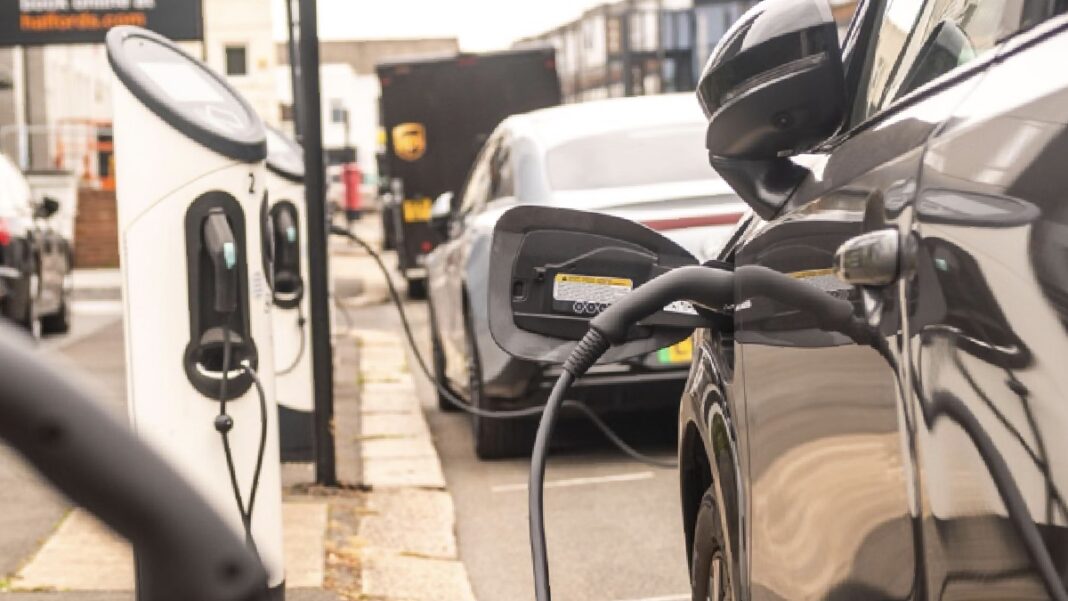
In Bucharest, traffic congestion adds another layer of risk. The capital ranks as the EU’s second-most polluted city, according to the European Environment Agency. Traffic accounts for roughly 60% of local air pollution, worsened by an aging fleet of diesel-powered cars.
Environmental advocates warn that Romania’s large imports of secondhand vehicles from Western Europe bring not only pollution but safety risks. Many older cars lack modern protective technologies such as electronic stability control and advanced airbags.
“You’re not only importing pollution from the west,” said Raul Cazan, president of the environmental group 2Celsius. “You’re also importing danger.”
While Europe’s roads have steadily grown safer over recent decades, progress has slowed. The rise of larger vehicles — especially SUVs — threatens to reverse gains. The average bonnet height of new cars sold in 2024 has increased significantly compared to 2010, raising concerns about visibility and the severity of injuries in collisions.
In Romania, where SUVs account for roughly half of new car registrations, their popularity is reshaping the vehicle fleet. Although newer models may improve overall vehicle standards, experts warn that heavier, taller cars can increase risks for pedestrians and cyclists.
“All else being equal, bigger cars reduce safety for other road users,” said James Nix of Transport & Environment, a Brussels-based nonprofit. “Greater width increases sideswipe risks, and higher bonnets worsen injuries in most collisions.”
Police data shows speeding was the leading cause of fatal crashes in 2024. In cases of serious injury, authorities frequently cited “pedestrian indiscipline,” such as jaywalking. Rural areas are particularly dangerous, with fatality rates double those of cities. Nearly half of all deaths occur on high-speed national roads that run through towns and villages, often lacking proper crossings or sidewalks.
For Mîndruță, who now cycles regularly and has lost friends to road crashes, driving abroad offered a stark contrast. Practicing caution, he said, brought a sense of responsibility — and relief.
“Being an individualist on the road is bad for your health and your soul,” he reflected. “If I had killed someone, it would have been a nightmare.”