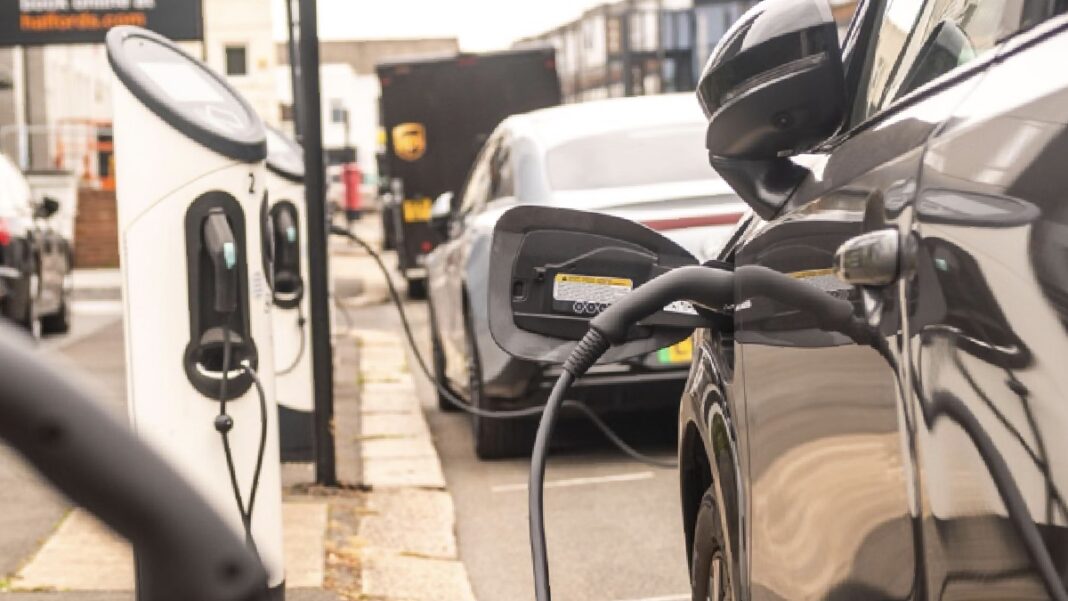
Real PHEV Fuel Use Shocks Study
A comprehensive new analysis has found that plug-in hybrid electric vehicles (PHEVs) use substantially more fuel in real-world driving conditions than official EU certification figures suggest.
The study, conducted by Germany’s Fraunhofer Institute, examined wireless data transmitted from approximately one million plug-in hybrid cars manufactured between 2021 and 2023. Researchers compared real-world fuel consumption with the officially approved figures published by automakers across Europe.
Real-World Fuel Consumption Far Higher Than Advertised
Manufacturers typically promote plug-in hybrid vehicles as highly fuel-efficient, often claiming fuel consumption between one and two litres per 100 kilometers. However, the study found that the actual average consumption is closer to six litres per 100 kilometers — roughly 300% higher than official claims.
Plug-in hybrids combine a conventional petrol or diesel engine with an electric motor powered by a rechargeable battery. The system allows drivers to switch between electric-only driving and combustion engine mode. On paper, this dual system is designed to significantly reduce fuel usage and carbon emissions.
However, the Fraunhofer analysis suggests that the combustion engine activates more frequently than previously assumed, even when drivers are expected to rely primarily on electric power.
Why Are PHEVs Consuming More Fuel?
According to Patrick Plötz of the Fraunhofer Institute, the main reason for the discrepancy appears to be how often the combustion engine engages during real-world driving.
While automakers claim that fuel use in electric mode is minimal or nearly zero, the collected data indicates otherwise. Researchers found that the combustion engine in many PHEVs turns on far more frequently than laboratory testing suggests.
Plötz urged regulators to incorporate real-world emissions data into official testing frameworks. He stated that manufacturers exceeding emissions limits in practical driving conditions should face financial penalties.
German Luxury Brands Among Highest Consumers
The study revealed notable differences between brands. German-manufactured plug-in hybrids recorded some of the highest average fuel consumption levels.
High-end models from Porsche performed worst in the analysis, consuming around seven litres per 100 kilometers when the combustion engine was active. In contrast, more affordable models from brands such as Kia, Toyota, Ford, and Renault frequently recorded fuel consumption below one litre per 100 kilometers — up to 85% lower than some luxury models.
Porsche Responds
In response to the findings, Porsche stated that its fuel consumption figures comply fully with legally required EU testing procedures. The company emphasized that official measurements are conducted under standardized laboratory conditions to ensure comparability across Europe.
Porsche attributed discrepancies between official figures and real-world data to varying usage patterns, driving styles, and external conditions such as road type and climate.
Calls for Stricter EU Regulation
Researchers are now urging the European Union to revise how plug-in hybrid fuel consumption and CO₂ emissions are measured. They argue that current laboratory testing methods fail to accurately reflect everyday driving behavior.
Adjusting official CO₂ fleet limits based on real-world data could significantly impact automakers, particularly as Europe tightens emissions standards.
The European Commission, responsible for regulating fleet emissions limits, declined to comment on the study’s findings. Meanwhile, the German Association of the Automotive Industry defended the current testing framework, stating that existing methods remain reliable.
Growing Scrutiny of Plug-In Hybrids
Environmental groups have long questioned the environmental benefits of plug-in hybrids, arguing that many drivers rely heavily on combustion engines instead of charging the electric battery regularly.
This latest large-scale analysis adds momentum to calls for stricter oversight and more transparent reporting of real-world fuel consumption data.
As Europe accelerates its transition toward full electric mobility, the debate over the true environmental performance of plug-in hybrid vehicles is likely to intensify.