US Penny Officially Retired After 232 Years
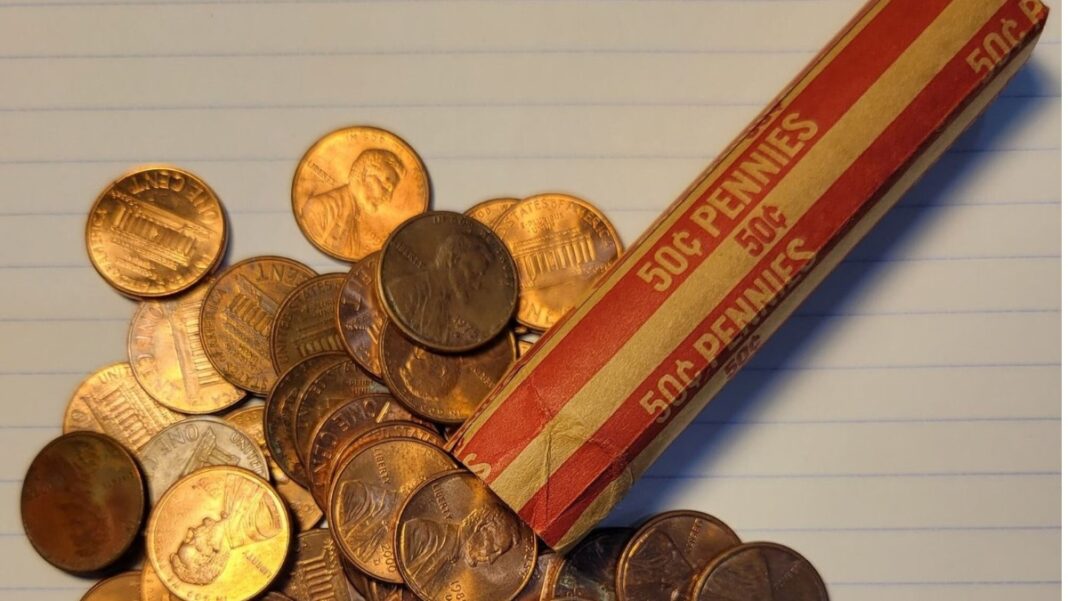
The American penny has officially reached the end of its 232-year life. The U.S. Treasury Department confirmed Wednesday that the nation’s lowest-value coin has been discontinued due to rising production costs and declining usefulness in modern commerce.
Final Penny Minted in Philadelphia
The last batch of pennies was minted Wednesday afternoon at the Philadelphia Mint, marking the end of an era that began in 1793. Top Treasury officials attended the symbolic final production, though, fittingly for a coin known for its quiet presence, no last words were recorded.
According to Treasury officials, the penny’s demise came from a combination of irrelevance and unsustainable expense. The coin, which could once buy candy, stamps, or newspapers, has long been unable to purchase anything. Meanwhile, the cost to mint each penny rose to more than three times its face value — a financial paradox that ultimately doomed it.
A Cultural Icon With Lasting Influence
During its heyday, the penny left an undeniable mark on American culture. It inspired idioms like “a penny for your thoughts,” represented thrift and luck, and even sparked creativity — many ideas were said to start with a “penny dropping.”
The coin made its way into music (“Penny Lover”), film (“Penny Serenade”), and even fashion. Penny loafers, featuring a small slot ideal for the coin, became a classic American style that still persists today.
Design Changes Over the Centuries
The penny debuted featuring Lady Liberty, but in 1909, Abraham Lincoln became its permanent face, making the penny the first U.S. coin to honor a real person.
The reverse side saw more frequent redesigns: a 15-link chain, wreaths, wheat stalks, and the Lincoln Memorial all had their eras. Special 2009 designs marked Lincoln’s bicentennial, and most recently, the penny displayed a Union shield.
Composition and Wartime Adaptations
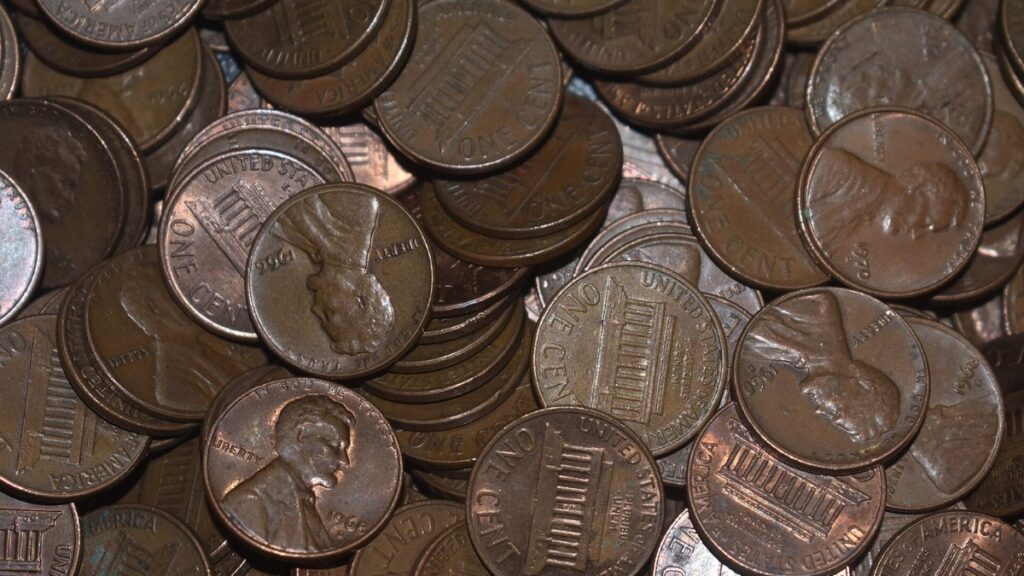
Originally a pure copper coin, the penny underwent material changes during critical moments in history. In 1943, copper shortages during World War II led to a one-year switch to zinc-coated steel. From 1982 onward, the familiar copper color belied the fact that pennies were 97.5% zinc, coated with only a thin layer of copper.
Preceded and Survived by Other Coins
The American penny follows the earlier demise of the half cent (1793–1857) and the Canadian penny (1858–2012). Surprisingly, the British penny, with origins in the 7th century, continues to circulate.
A Final Farewell to a Small but Symbolic Coin
Created under the guidance of Alexander Hamilton in the Coinage Act of 1792, the penny served generations of Americans before inflation and economic realities made it obsolete. Though its purchasing power faded, its cultural and historical legacy remains deeply embedded in American life.
With its final coin now minted, the nation bids farewell to a once-mighty cent that shaped language, culture, and everyday life—one last reminder that sometimes, even the smallest things leave the biggest mark.