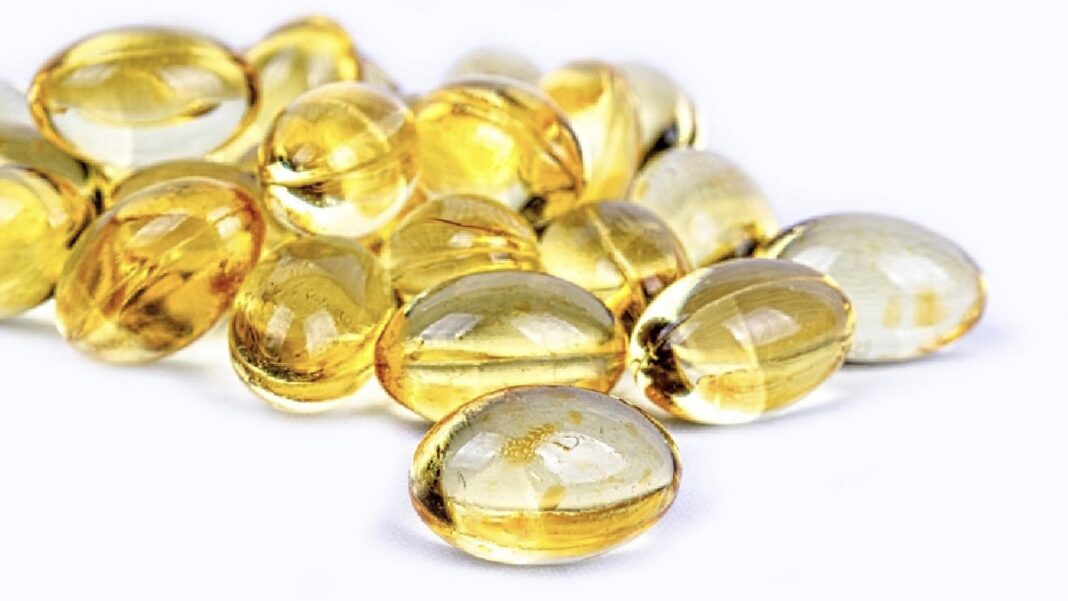
2p vitamin D pill recommended during winter
The NHS is encouraging people across the UK to consider taking a low-cost daily vitamin D supplement during the winter months, as shorter days and limited sunlight make it harder for the body to produce the nutrient naturally.
In a recent message shared on its official X account, the health service advised: “From October to March we can’t make enough vitamin D from sunlight, so to keep bones and muscles healthy, it’s best to take a daily 10 microgram supplement of vitamin D. You can get vitamin D from most pharmacies and retailers.”
The supplement can cost as little as 2p per capsule, with one example being Boots’ £4 pack of 180 tablets.
Why Vitamin D Matters
Vitamin D is produced when the skin is exposed to sunlight and plays a key role in calcium absorption, bone strength, immune function and muscle health. During autumn and winter, most people do not get enough exposure to UVB light for the body to generate sufficient amounts, and it can be difficult to obtain adequate levels through food alone.
The UK government, along with Public Health England, recommends that everyone consider taking 10 micrograms (400 IU) of vitamin D per day between October and March. People with darker skin or those who rarely go outdoors are advised to take it all year round.
Where to Get Vitamin D
Vitamin D can be found in:
- oily fish such as salmon, sardines, trout, herring and mackerel
- red meat
- egg yolks
- fortified foods including some breakfast cereals and fat spreads
- liver (although it should be avoided during pregnancy)
Supplements are widely available in supermarkets, pharmacies and high-street retailers. They should be taken with food for better absorption, as vitamin D is fat-soluble. While it can be taken at any time of day, taking it with breakfast or lunch may help with consistency.
Safe Intake and Medical Advice
The recommended dose for most adults is 10 micrograms per day, and the NHS advises against taking more than 100 micrograms daily. Very high intakes over time — above 4,000 IU — can lead to hypercalcaemia, where calcium levels in the body become too high. Symptoms may include nausea, vomiting, constipation, muscle weakness and, in severe cases, kidney problems.
People with certain medical conditions — including kidney disease, sarcoidosis and primary hyperparathyroidism — should seek medical advice before supplementation. Vitamin D may also interact with medications such as cholestyramine (for cholesterol), phenytoin (for seizures) and prednisone (a steroid).
The NHS also notes that from late March or early April until the end of September, most people can generate sufficient vitamin D from sunlight alone.
Anyone concerned about deficiency is advised to speak to a GP. A blood test is the most accurate way to assess vitamin D levels.