UK Faces Shortages in Cancer and Stroke Drugs
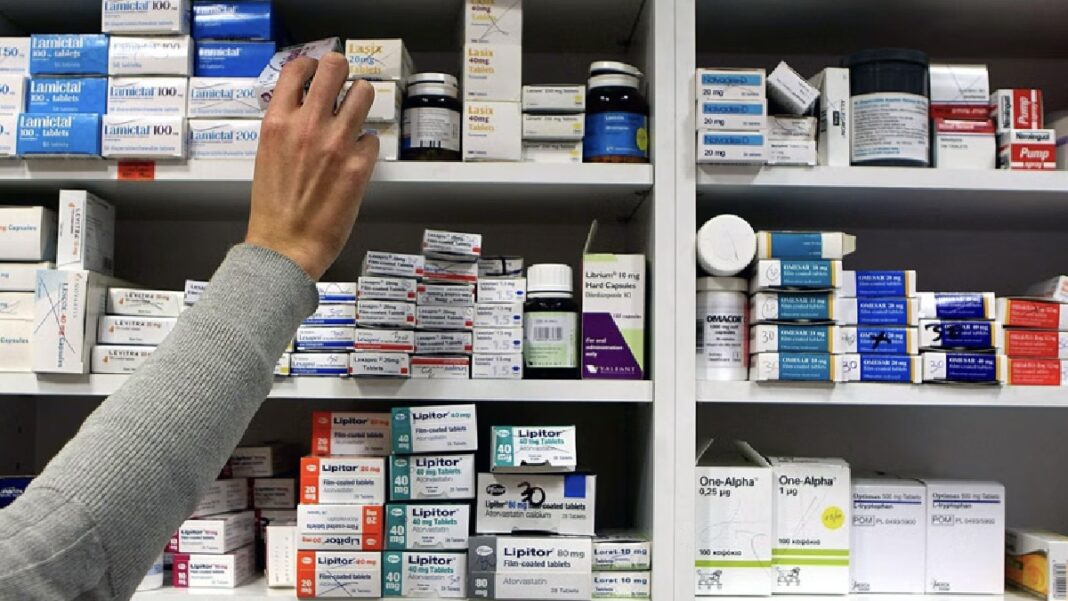
Cancer treatments and medicines used for stroke and mental health conditions are among nearly 400 drugs at risk of shortage in the UK, raising serious concerns about patient care and the resilience of the NHS supply chain.
NHS England has identified 378 medicines that currently have either no supplier or only one supplier, making them vulnerable to disruption if manufacturers withdraw or supplies run out. Among the most critical drugs on the list is bendamustine, a chemotherapy medicine used to treat cancers such as non-Hodgkin lymphoma and certain leukaemias.
Other at-risk medicines include urokinase, used to treat blood clots and pulmonary embolism that can lead to stroke, and flupentixol, a medication prescribed for schizophrenia. According to The Independent, these drugs are among those flagged as vulnerable due to limited or non-existent suppliers.
No Manufacturer for 80 Medicines
Of the 378 medicines identified, around 80 currently have no manufacturer at all, meaning shortages would be inevitable if existing stockpiles were exhausted. A further 300 medicines rely on a single supplier, leaving the NHS exposed if those companies decide not to renew contracts or shift focus to more profitable markets.
Medicines UK warned that shortages could force doctors to seek alternative treatments for patients and potentially drive up costs if demand exceeds supply.
Mark Samuels, chief executive of Medicines UK, said:
“The list includes products of critical priority and targets medicines representing the most serious risk to supply resilience, which could lead to shortages affecting patient care.”
Pressure on UK Drug Supplies
The warning comes amid ongoing instability in UK medicine supplies, following threats of increased US tariffs under President Donald Trump and continued tensions between the UK government and pharmaceutical companies over NHS drug spending.
Last week, widespread shortages of aspirin, a key medicine for preventing strokes and heart attacks, were reported. Since the Covid-19 pandemic, the UK has also experienced critical shortages of medicines including hormone replacement therapy (HRT) and Creon, a pancreatic enzyme replacement therapy used by patients with cystic fibrosis.
Project Revive: A New Incentive Scheme
To address these risks, “critical” medicines were identified through Project Revive, a joint initiative launched by NHS England, Medicines UK and the Medicines and Healthcare Products Regulatory Agency (MHRA).
Under the scheme, manufacturers will be offered incentives to supply high-risk medicines, including fast-tracked licence approvals and guaranteed access to NHS supply contracts. Project Revive is expected to become operational next year and aims to make the production of previously unviable medicines more attractive to manufacturers.
Mr Samuels described the initiative as a “tangible” step toward preventing shortages, adding that medicine supply challenges cannot be solved in isolation.
Long-Term Programme Planned
A report due to be published this week by Medicines UK will highlight the fragility of UK medicine supplies, with surveys showing that more lucrative overseas markets are a major barrier to increasing domestic supply.
Fiona Bride, interim chief commercial officer at NHS England, said:
“Ensuring a resilient and stable supply of medicines is fundamental to delivering patient care, and this collaborative pilot initiative aims to strengthen the supply chain by incentivising more companies to supply the NHS.”
Julian Beach, executive director at the MHRA, confirmed that a 12-month pilot of Project Revive will begin soon, with plans for a long-term programme in early 2027.