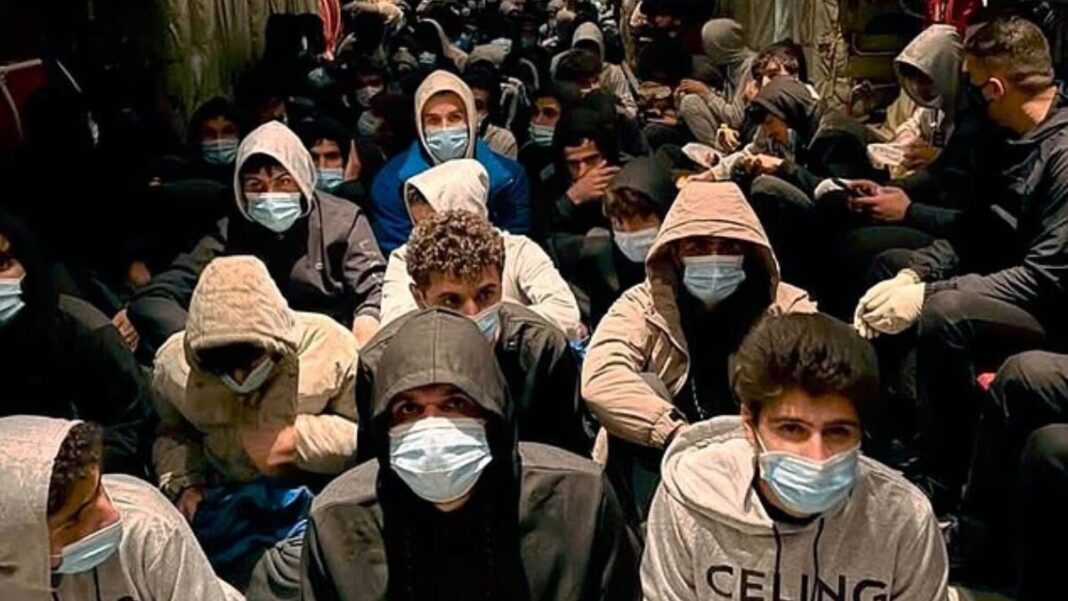
300 UK-Bound Migrants Kidnapped in Libya Ordeal
More than 300 migrants from Iraqi Kurdistan who were attempting to reach the United Kingdom were kidnapped, tortured, and held for ransom by a militia in Libya, according to a recent investigation by the BBC.
The migrants had reportedly paid smugglers to facilitate their journey through Libya toward Europe. However, after a dispute over payments between the smugglers and a Libyan militia, hundreds of migrants were taken to a guarded compound and held captive.
Former hostages said the militia demanded around $5,000 (£3,700) from each family in exchange for their relatives’ release. Families were allegedly sent videos showing abuse and threats, including warnings that captives’ kidneys would be removed if the ransom was not paid.
Many detainees described severe mistreatment. Survivors reported being beaten, burned, starved, and confined in overcrowded cells for months. One teenager said he was held alongside 177 others in a small room without access to sunlight for six months.
Some families later received photographs showing scars on former captives, raising concerns that organs may have been forcibly removed. Medical experts consulted during the investigation said the scars appeared consistent with kidney surgery, although definitive proof has not been established. Kurdish authorities have expressed concern that some victims may have lost organs while in captivity.
According to officials, more than 100 hostages were eventually returned to Iraq on a government-chartered flight after ransom payments were made. Others were released over time as families secured funds for their freedom.
Experts say kidnapping migrants for ransom has become a common tactic in Libya, where armed groups and smuggling networks often operate in areas with limited government control. Despite the dangers, many migrants from Iraqi Kurdistan continue to attempt the journey to Europe in search of better opportunities.
Authorities in the Kurdistan Region have urged survivors to share their experiences publicly to discourage others from undertaking the dangerous migration route