Europe’s biggest airlines say fuel price spike caused by Iran war will drive up fares
Europe’s largest airlines have warned that ticket prices are likely to increase as fuel costs surge בעקבות the ongoing conflict in the Middle East, particularly tensions involving Iran. While some airlines have temporarily shielded themselves through fuel hedging, executives say these protections are beginning to fade, making fare increases unavoidable.
Airlines including Air France-KLM and Lufthansa are already adjusting operations. With some Gulf airspace disrupted or restricted following recent military escalations, carriers are rerouting and expanding flights to Asia through alternative paths. Lufthansa, for example, has added dozens of extra flights to Asia, while Air France-KLM is also boosting capacity on routes to Asia and Africa to meet strong demand.
Low-cost carriers such as EasyJet and Ryanair say there are no immediate fuel supply issues in Europe. However, both airlines acknowledged that prolonged high fuel prices—especially if they persist for several months—will eventually impact ticket prices. EasyJet’s CEO advised travelers to book early before costs rise further.
Fuel prices have already climbed sharply, with jet fuel costs nearly doubling compared to the annual average, according to industry data. Crude oil prices have also continued to rise amid escalating geopolitical tensions.
Despite the challenges, some airlines see potential opportunities. European carriers may regain market share on long-haul routes as disruptions affect Middle Eastern hubs. British Airways, for instance, is expanding routes that avoid affected airspace, including new long-distance services.
However, the broader tourism sector could suffer. Analysts warn that reduced travel from the Middle East may impact European destinations such as Turkey, France, and the UK, which traditionally attract large numbers of visitors from the region. Meanwhile, southern European destinations like Spain, Portugal, and Greece could benefit as alternative travel options.
Airlines are also using the moment to push for regulatory changes. Industry group Airlines for Europe has urged the EU to ease environmental regulations and delay mandates for sustainable aviation fuel, arguing that current rules put European carriers at a disadvantage.
EU officials have so far resisted these calls, insisting that the aviation sector must continue investing in greener technologies. Environmental groups have also criticized the airlines, warning that weakening sustainability targets could undermine progress toward cleaner aviation.
Overall, airlines caution that unless fuel prices stabilize soon, passengers should expect higher fares and ongoing disruptions to flight routes.Europe’s largest airlines have warned that ticket prices are likely to increase as fuel costs surge בעקבות the ongoing conflict in the Middle East, particularly tensions involving Iran. While some airlines have temporarily shielded themselves through fuel hedging, executives say these protections are beginning to fade, making fare increases unavoidable.
Airlines including Air France-KLM and Lufthansa are already adjusting operations. With some Gulf airspace disrupted or restricted following recent military escalations, carriers are rerouting and expanding flights to Asia through alternative paths. Lufthansa, for example, has added dozens of extra flights to Asia, while Air France-KLM is also boosting capacity on routes to Asia and Africa to meet strong demand.
Low-cost carriers such as EasyJet and Ryanair say there are no immediate fuel supply issues in Europe. However, both airlines acknowledged that prolonged high fuel prices—especially if they persist for several months—will eventually impact ticket prices. EasyJet’s CEO advised travelers to book early before costs rise further.
Fuel prices have already climbed sharply, with jet fuel costs nearly doubling compared to the annual average, according to industry data. Crude oil prices have also continued to rise amid escalating geopolitical tensions.
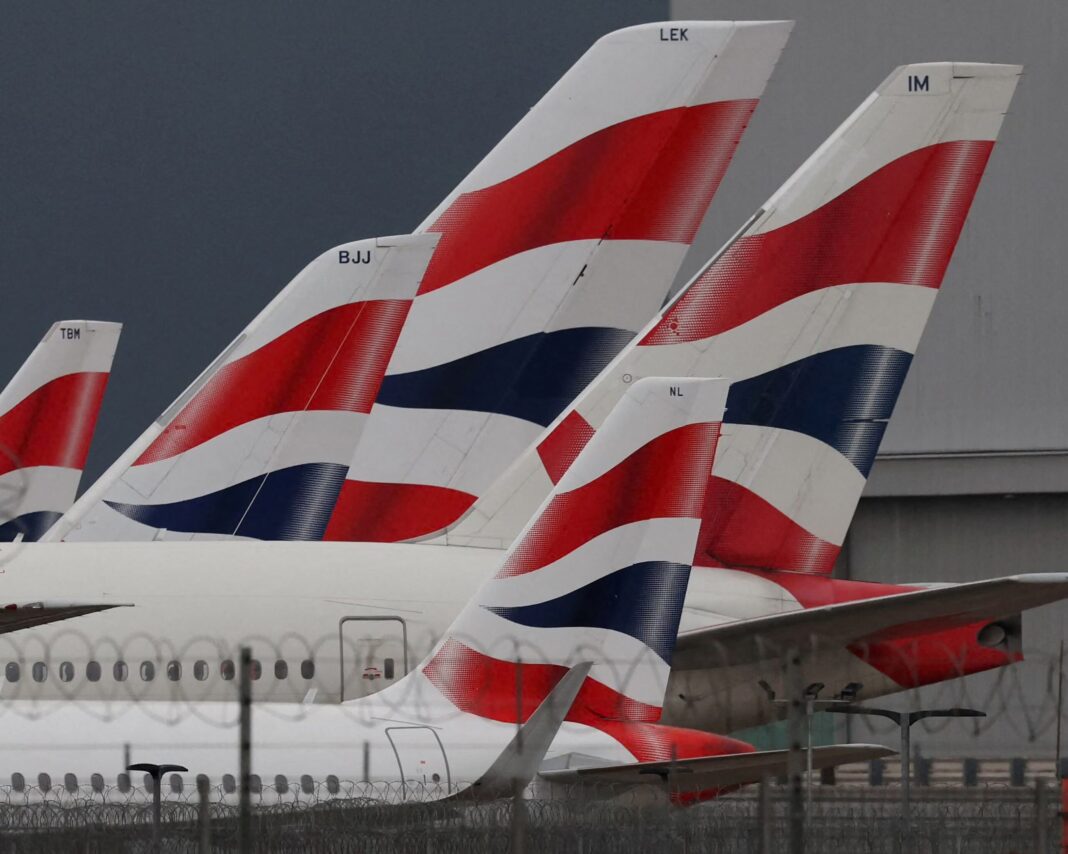
Despite the challenges, some airlines see potential opportunities. European carriers may regain market share on long-haul routes as disruptions affect Middle Eastern hubs. British Airways, for instance, is expanding routes that avoid affected airspace, including new long-distance services.
However, the broader tourism sector could suffer. Analysts warn that reduced travel from the Middle East may impact European destinations such as Turkey, France, and the UK, which traditionally attract large numbers of visitors from the region. Meanwhile, southern European destinations like Spain, Portugal, and Greece could benefit as alternative travel options.
Airlines are also using the moment to push for regulatory changes. Industry group Airlines for Europe has urged the EU to ease environmental regulations and delay mandates for sustainable aviation fuel, arguing that current rules put European carriers at a disadvantage.
EU officials have so far resisted these calls, insisting that the aviation sector must continue investing in greener technologies. Environmental groups have also criticized the airlines, warning that weakening sustainability targets could undermine progress toward cleaner aviation.
Overall, airlines caution that unless fuel prices stabilize soon, passengers should expect higher fares and ongoing disruptions to flight routes.