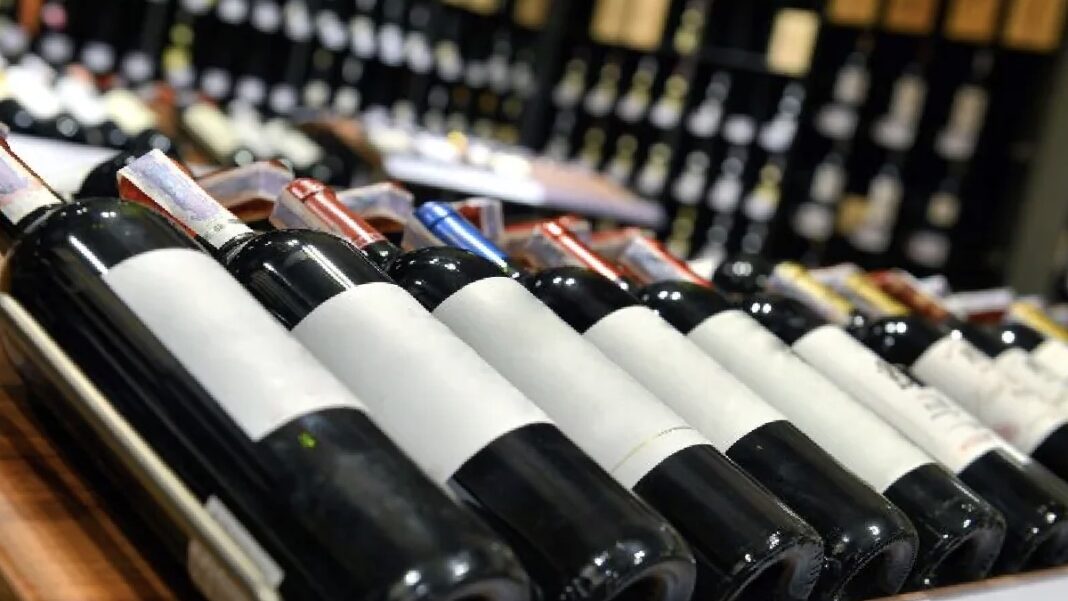
Alcohol duty hike to make beer, wine and spirits more expensive
Chancellor Rachel Reeves has confirmed that the price of beer, wine and spirits will increase across the UK, following today’s Budget announcement. Alcohol duty will rise in line with RPI inflation, which was 4.5% in September — the figure typically used to calculate annual adjustments.
Alcohol Duty to Increase With Inflation
Alcohol duty is a tax paid by producers and importers and is calculated based on the drink’s ABV (alcohol by volume) and product category. Reeves’ decision means that from 2025, consumers will see price rises in shops, bars, pubs and restaurants.
The Treasury expects alcohol duty to generate around £13 billion in the 2025–26 financial year. This represents:
1.1% of total government revenue
About £450 per household
Roughly 0.4% of national income
Despite steady increases over the years, alcohol duty’s share of government income has been falling, dropping from 1.8% in 1999/00 to 1.5% in 2018/19.

How the UK Compares With Europe
The UK remains one of the highest-taxed alcohol markets in Europe. A 2025 comparison of excise rates across EU countries shows the UK ranking third highest overall, behind only Finland and Ireland.
Beer: A 330ml bottle of 5% ABV beer in the UK carries around €0.4187 in duty — the second-highest in the EU/UK region.
Wine: The UK levies significant duty on wine, while 15 EU member states impose zero duty. In the UK, the average bottle incurs around £2.35 in excise tax.
New Alcohol Duty Structure Introduced in 2023
Since August 2023, alcohol duty has been based on a new, strength-based system. Rates vary by category — including beer, cider, sparkling cider, spirits, wine and other fermented beverages — with draught products receiving separate treatment.
Duty ranges from:
- £0 on drinks below 1.2% ABV,
- Up to £32.79 per litre of pure alcohol for products above 22% ABV.
Each drink category has up to six duty bands, increasing with alcohol strength. With the latest inflation-linked rise, all these rates will increase, leading to higher prices at pubs, restaurants and retailers in 2025.