BBC Licence Fee Hike Sparks ‘Death Wish’ Fury
Plans to raise the BBC licence fee to £180 a year have been fiercely criticised by MPs and campaigners, who warned the move could be a “death wish” for the embattled broadcaster following a turbulent year of controversy.
From April, the cost of the TV licence will rise by £5.50, delivering a blow to millions of households already struggling with the cost-of-living crisis. The decision by Labour ministers to push through the increase has sparked widespread political backlash.
The new £180 fee will exceed the lowest annual cost of Netflix , whose cheapest plan works out at approximately £71.88 per year. Critics say the comparison highlights how outdated and uncompetitive the BBC’s funding model has become.
Reform UK: “The BBC Has a Death Wish”
Reform UK led the criticism, saying the broadcaster was “clearly unsustainable in its current form”.
A party spokesperson said:
“With families facing soaring bills and rising taxes, it is indefensible to demand more money for an institutionally biased BBC.”
The party added that it would overhaul the national broadcaster if given power.
Opposition Slams Timing and Justification
Conservative Shadow Culture Secretary Nigel Huddleston questioned how the increase could be justified “when serious questions remain over the BBC’s impartiality and governance”.
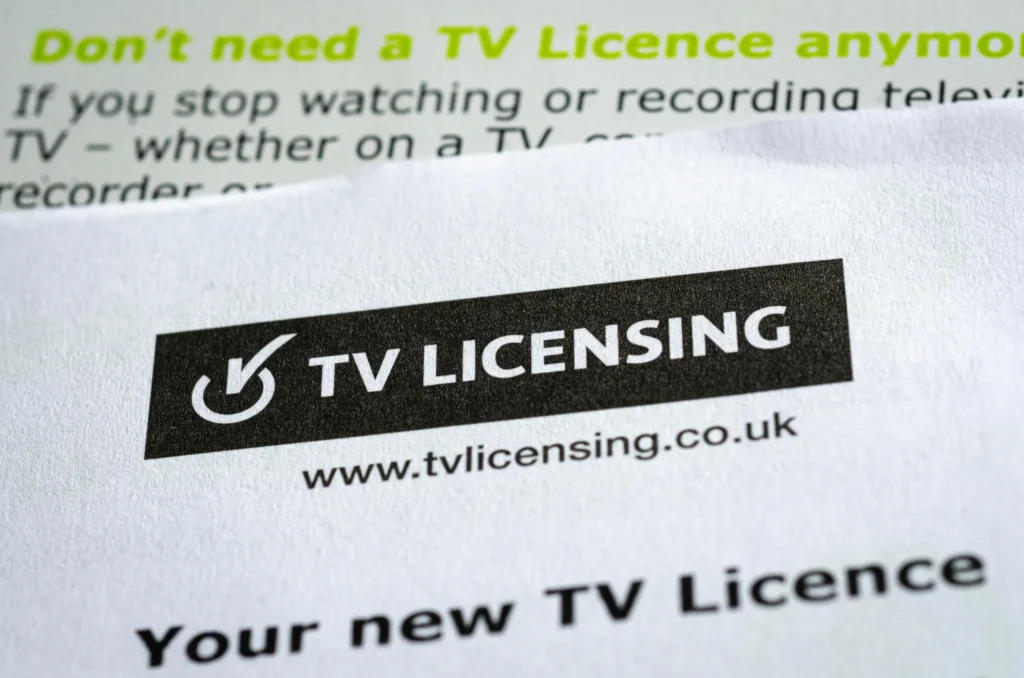
Meanwhile, William Yarwood of the TaxPayers’ Alliance said taxpayers would be “rightly furious” after a year in which the BBC “brought itself into disrepute on what seemed like a weekly basis”.
Scandals Erode Public Trust
Public confidence in the broadcaster has been battered by a string of scandals, including claims of political bias, editorial failings and misconduct involving high-profile presenters.
The most explosive controversy centred on a Panorama documentary about Donald Trump, after an internal memo accused the programme of selectively editing a speech to suggest he encouraged the Capitol riots — fuelling allegations of “serious and systemic” bias within BBC News.
Further rows followed over Gaza coverage, Glastonbury chants of “death to the IDF”, and impartiality breaches linked to Gary Lineker . Additional reputational damage came from the Huw Edwards case, as well as allegations involving MasterChef and Strictly Come Dancing .
The crisis ultimately led to the resignations of BBC Director-General Tim Davie and BBC News chief Deborah Turness.
Falling Revenues and Mass Boycott
In 2024 alone, the BBC reportedly lost more than £1 billion due to licence fee evasion and cancellations. Around 3.6 million Britons now say they refuse to pay the charge.
Government Response
The Department for Culture, Media and Sport said the government recognises the financial pressure on households but remains committed to the licence fee for the remainder of the current BBC charter period.
A spokesperson said the funding model must be “sustainable, fair and affordable” — a claim critics argue is increasingly out of touch with public opinion.