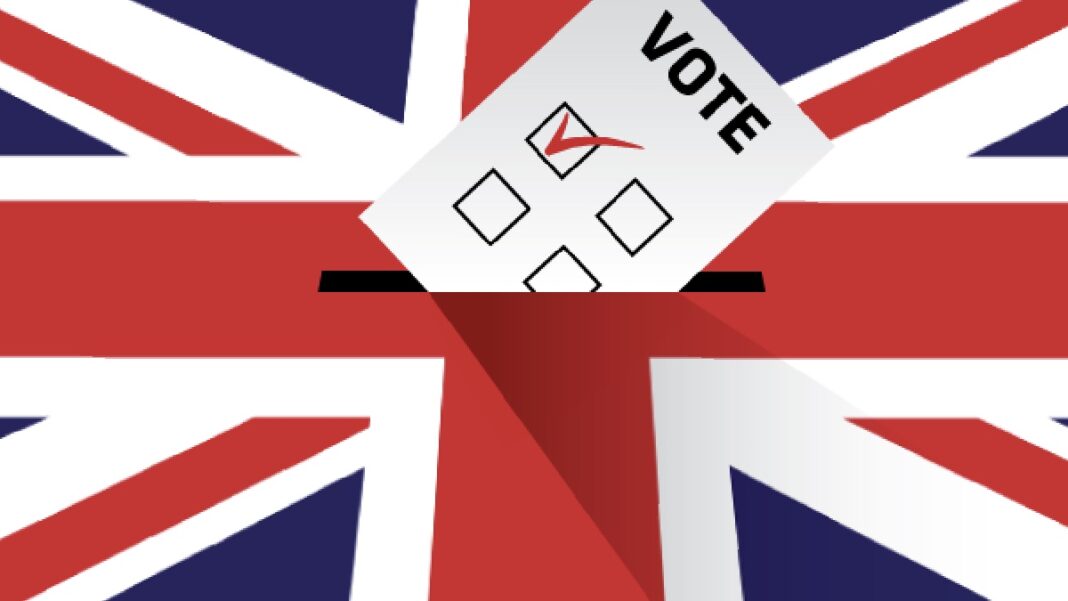
UK Reverses 30 Council Election Delay
Prime Minister Keir Starmer has reversed plans to postpone dozens of local elections in England after receiving legal advice, the government confirmed on Monday.
Members of Parliament were informed that elections in 30 local authorities, originally delayed until 2027, will now proceed as scheduled in May 2026. The decision marks a significant U-turn for the Labour government following mounting legal and political pressure.
Government Withdraws Election Delay
In an official statement, a spokesperson for the Ministry of Housing, Communities and Local Government said the reversal came after fresh legal guidance.
“Following legal advice, the government has withdrawn its original decision to postpone 30 local elections in May. Providing certainty to councils about their local elections is now the most crucial thing and all local elections will now go ahead in May 2026.”
According to a letter obtained by PoliticsHome, government lawyers confirmed that Housing Secretary Steve Reed formally withdrew the postponement decision “in the light of recent legal advice.”
Why Were the Elections Delayed?
The government initially planned to delay some local council elections to allow time for a broader restructuring of local government. The proposal aimed to create space for administrative reforms, including potential council mergers.
However, the move sparked controversy and raised concerns about democratic accountability.
Reform UK Legal Challenge
Nigel Farage’s Reform UK party launched a legal challenge against the postponement, arguing that millions of voters would be denied the opportunity to cast their ballots.
Responding to the government’s announcement, Farage wrote on X:
“We took this Labour government to court and won. In collusion with the Tories, Keir Starmer tried to stop 4.6 million people voting on May 7th.”
The legal pressure appears to have played a key role in the government’s decision to reverse course.
Political Impact of May 2026 Elections
The upcoming 7 May elections will take place across councils in England, alongside elections to the Scottish Parliament and the Welsh Parliament.
Political analysts expect the elections to be challenging for both Labour and the Conservatives. The decision to proceed with all scheduled votes is seen as boosting Reform UK’s chances of further electoral gains. The Green Party and Liberal Democrats are also projected to make advances.
With the elections now confirmed for May 2026, attention turns to how the results could reshape the UK’s political landscape.