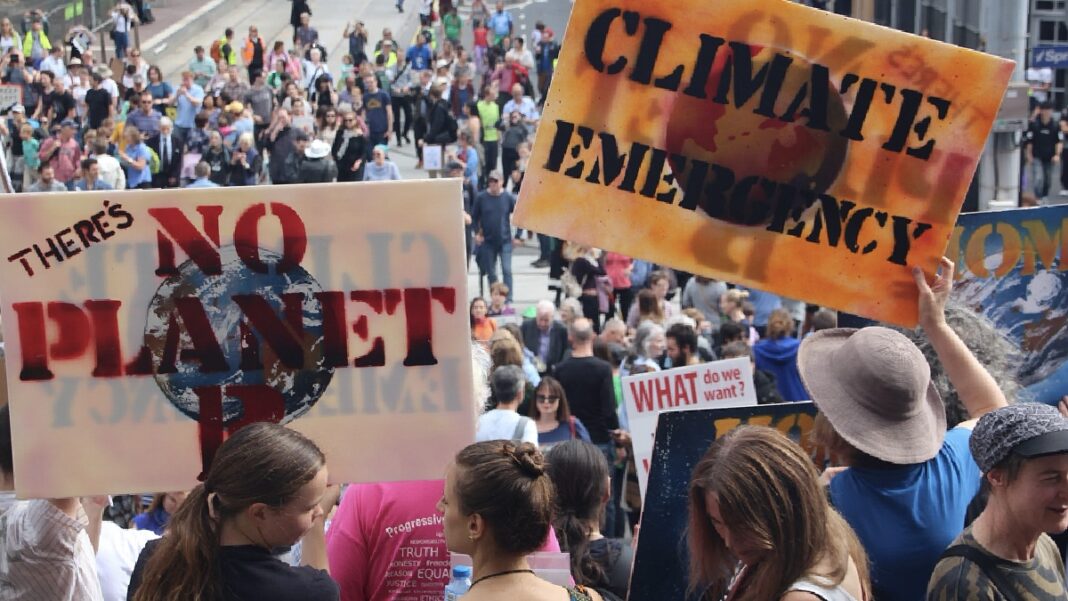
Experts Alarmed by Rising Risk of Hothouse Earth
Experts say crossing climate tipping points could lock the planet into a catastrophic “Hothouse Earth” scenario
Scientists are warning that the world may be dangerously close to a climate “point of no return,” beyond which runaway global heating could become irreversible. New research suggests that continued global warming could trigger a cascade of climate tipping points, pushing Earth into a far more extreme and hostile state known as “Hothouse Earth.”
According to researchers, this scenario would be significantly worse than the 2–3°C of warming the planet is currently on track to reach. A Hothouse Earth would represent a permanent shift away from the stable climate conditions that have allowed human civilization to develop over the past 11,000 years.
Extreme Impacts Already Visible at 1.3°C Warming
With global temperatures already around 1.3°C above pre-industrial levels, extreme weather events are intensifying worldwide. Heatwaves, floods, wildfires, and droughts are already causing loss of life and widespread economic damage.
Scientists warn that if warming reaches 3–4°C, modern economies and societies may no longer function as they do today. A Hothouse Earth trajectory could push conditions even further, creating long-lasting and potentially unmanageable consequences.
Climate Tipping Points Raise Alarm
The latest assessment, published in the journal One Earth, analyzed 16 major climate tipping elements. These include ice sheets in Greenland and Antarctica, permafrost regions, mountain glaciers, polar sea ice, the Amazon rainforest, and the Atlantic Meridional Overturning Circulation (AMOC)—a key ocean current system that helps regulate global climate.
Researchers say some of these systems may already be destabilizing. Greenland and West Antarctic ice sheets show signs of irreversible change, while permafrost thaw, glacier loss, and Amazon rainforest degradation appear close to critical thresholds.
Once triggered, these tipping points could activate feedback loops that accelerate warming, even if human emissions are later reduced.
Public and Political Awareness Remains Low
Scientists involved in the study emphasize that public and political awareness of these risks remains limited. While rapidly cutting fossil fuel use is challenging, they warn that delaying action could make climate change impossible to reverse.
Carbon dioxide concentrations are now believed to be at their highest levels in at least two million years, and global temperatures may already exceed those of any period in the last 125,000 years.
Amazon and Ocean Currents at Risk
One of the most concerning risks involves the potential weakening of the AMOC. Scientists say this could increase the likelihood of Amazon rainforest dieback, which would release massive amounts of carbon into the atmosphere, further accelerating global warming.
Such interactions between Earth systems could push the planet toward a self-reinforcing warming cycle lasting thousands of years, accompanied by dramatic sea-level rise and the flooding of major coastal cities.
Urgent Action Needed
Researchers stress that current global climate commitments are insufficient to prevent these outcomes. While uncertainties remain about exactly when tipping points will be crossed, the scientific consensus is clear: precaution and immediate action are essential.
“The window to prevent dangerous and unmanageable climate outcomes is rapidly closing,” scientists warn, urging governments to accelerate emissions cuts and strengthen climate policies before irreversible thresholds are crossed.