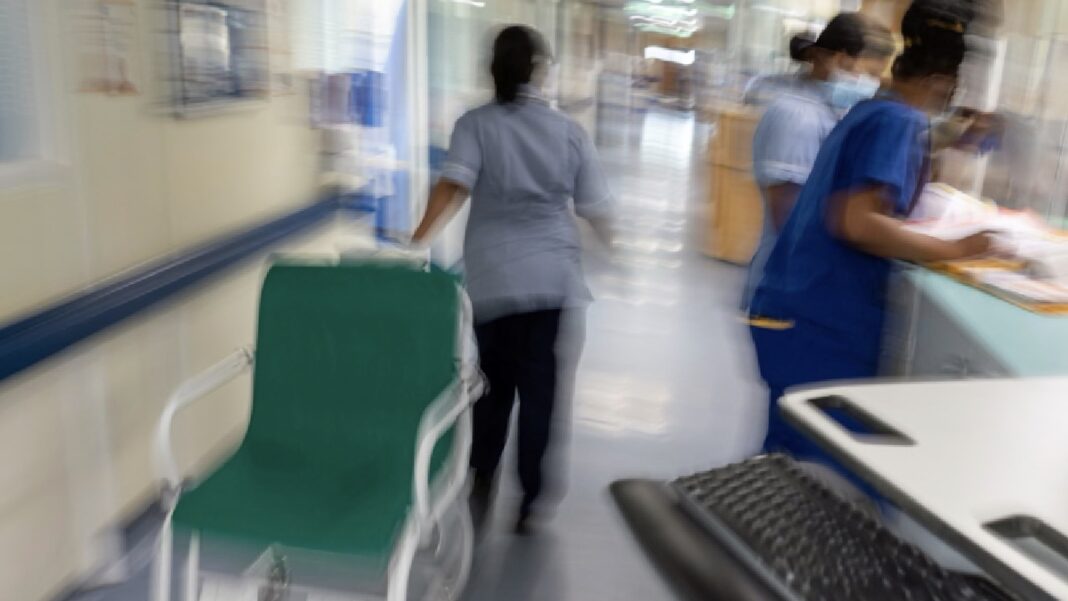
Winter Cold Deepens Pressure on England’s NHS
The National Health Service is facing extraordinary pressure as amber cold health alerts have been issued for all regions of England, with hospitals preparing for a renewed surge in patients over the New Year period.
According to the latest figures from NHS England, hospitals are operating at around 95% bed capacity, well above safe levels. Although flu-related hospital admissions have begun to stabilise, health leaders warn that falling temperatures could significantly worsen the situation.
Flu Cases Level Off, but Risks Remain
Data published this week shows that an average of 3,061 flu patients were treated in hospital each day in the week ending 21 December, slightly down from 3,140 the previous week. Admissions to critical care units also declined, with 117 flu patients in intensive care compared with 128 the week before.
Despite these improvements, NHS officials stress that the service is “not out of danger yet”, especially with colder weather forecast across the country.
Amber Cold Health Alerts Issued Nationwide
On Wednesday, the UK Health Security Agency (UKHSA) upgraded cold weather warnings to amber level for every region in England. The alerts will remain in place from Wednesday evening until next Tuesday morning.
Amber alerts indicate that weather conditions are likely to cause significant disruption to health and social care services. Previously, only the north-east and north-west of England were under amber alerts, while other regions remained at yellow level.
Dr Paul Coleman, a health protection consultant at the UKHSA, warned that very low temperatures pose serious health risks, particularly for older people and those with existing medical conditions. He highlighted increased risks of heart attacks, strokes, and chest infections, urging the public to check on vulnerable friends, family members, and neighbours.
Ongoing Pressure from Seasonal Illnesses
Hospitals are also dealing with continued pressure from other seasonal illnesses. In the same week, an average of 285 beds per day were occupied by patients suffering from norovirus-like symptoms, including diarrhoea and vomiting. While this figure is down from 427 the previous week, demand remains high.
Professor Meghana Pandit, medical director at NHS England, said that while there are signs of improvement, hospitals are still under intense strain and colder weather could reverse recent gains.
Health secretary Wes Streeting praised NHS staff for their continued efforts, but acknowledged that hospitals are “not out of the woods yet”, with flu and winter pressures still presenting major challenges.
Meanwhile, NHS Confederation warned that thousands of patients remain stuck in hospital beds despite being medically fit to leave, largely due to shortages in community and social care services. According to The Guardian, these delays in discharging patients are worsening bed shortages and adding further strain to already overstretched hospitals across England.