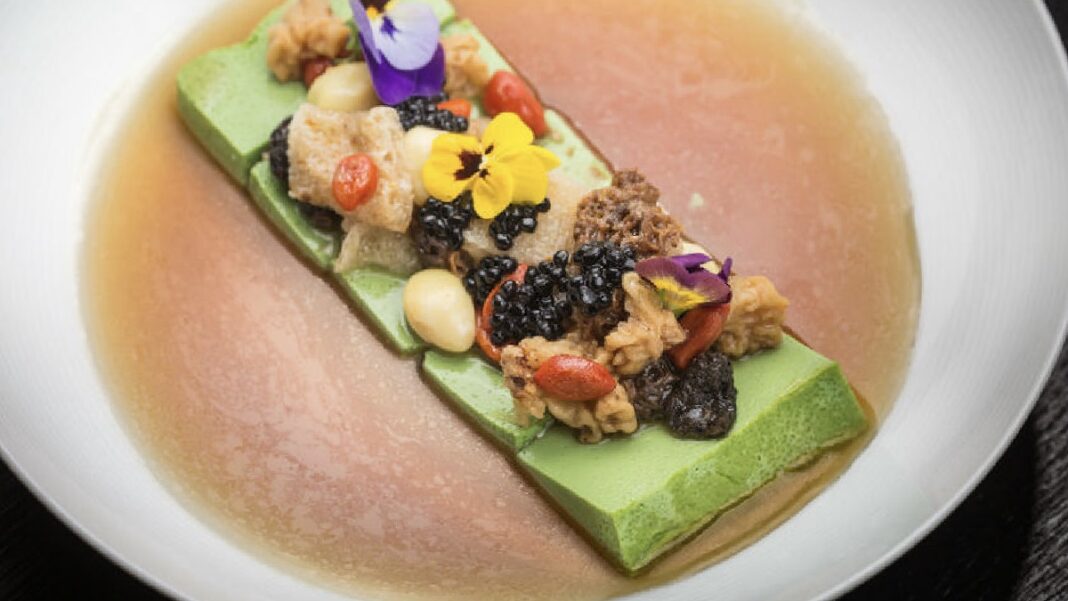
Plates Elevates Veg Cuisine to New Heights
Plates, the first fully plant-based restaurant in Britain to earn a Michelin star, is challenging long-held assumptions about vegan cuisine—and doing so with a dining room full of people who are not vegan at all. According to chef-owner Kirk Haworth, around 95% of guests still eat meat or fish elsewhere, a sign that plant-based fine dining is stepping out of its niche and into the mainstream.
Haworth, who founded Plates in London with his sister, is intentional about avoiding the “vegan” label. To him, the goal is not to convert diners but to captivate them through flavor. “I always say we’re a fine dining restaurant. I don’t say that we’re vegan,” he told Reuters from the restaurant’s softly lit dining room. “Food should be judged on flavour,” he added, recalling a guest who declared himself “a changed man” halfway through dinner.
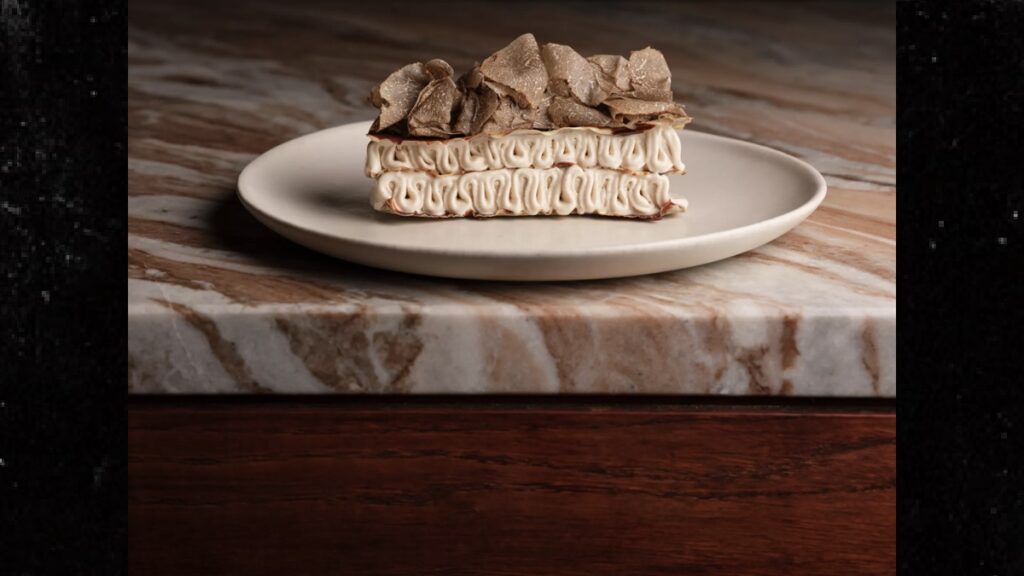
Plates received its Michelin star earlier this year, becoming the UK’s first restaurant of its kind to do so. For Haworth, the accolade reflects a broader shift in how chefs and critics approach vegetables—no longer as side components but as the core of refined cuisine. He dismisses the idea that plant-based dining is just a trend, pointing instead to the growing curiosity among diners, even though only about 3% of British adults identify as vegan.
Michelin inspectors praised Plates for its “earthy, natural vibe” and imaginative dishes that showcase vegetables with exceptional creativity and respect. The restaurant’s philosophy stems from Haworth’s personal journey. Having trained in Michelin-starred kitchens around the world, he was forced to rethink his diet after being diagnosed with Lyme disease more than ten years ago. Months spent bedridden pushed him to remove meat, dairy, and refined sugars—an experiment that gradually reshaped his cooking perspective.
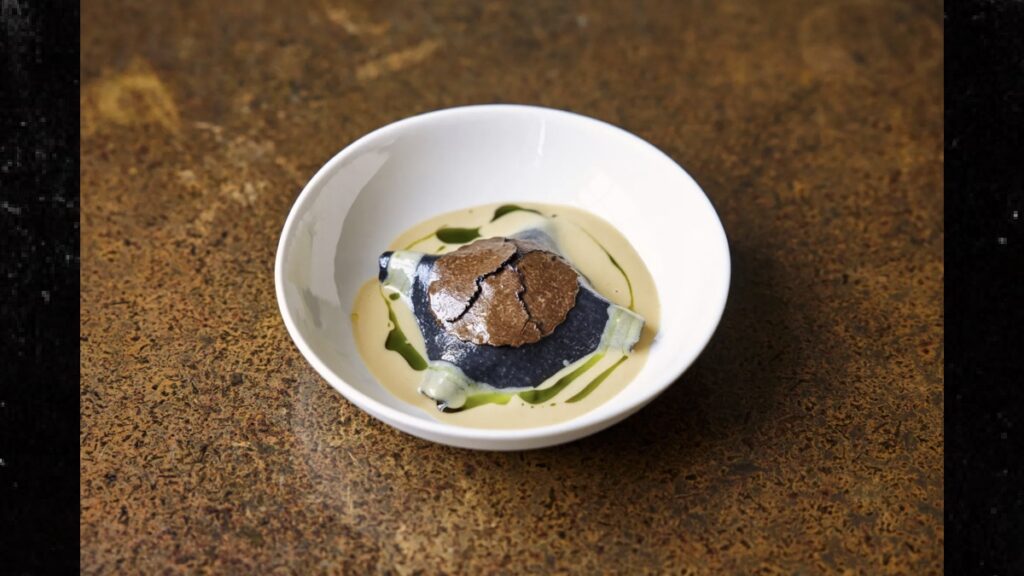
What began as a personal necessity evolved into the Plates concept, refined over years of pop-up dinners before opening as a permanent venue 18 months ago. Today, the restaurant is fully booked through the end of March, further proof of its growing cultural and culinary impact. Haworth makes it clear that the menu does not seek to mimic meat. “We’re not trying to replace meat or make things look like fish,” he said. “We showcase acidity, umami, and layers that make the palate feel alive.”
Despite the recognition, Haworth has no plans to expand. Growth for him means refinement, not replication. His focus now is on elevating the dining experience even further—perhaps enough to earn a second Michelin star. “The process is the most fun part,” he said with a smile.