Powerful Themes Drive Zootopia 2 Success
Disney’s long-awaited Zootopia 2—released as Zootropolis 2 in the UK—has launched with a powerful message and an even stronger commercial impact. The sequel earned an impressive $140 million within its first five days, proving that audiences are eager for animated films that blend entertainment with meaningful social themes.
A decade after the original addressed issues of racial profiling, the follow-up expands its scope to examine colonialism, segregation, and systemic exclusion. The film reveals that reptiles were expelled from Zootopia after a single snake was accused of murder, pushing entire species to the margins. Founder Ebenezer Lynxley’s “weather walls” enforce strict climate-based segregation, while the remote Marsh Market emerges as a refuge for outcasts.
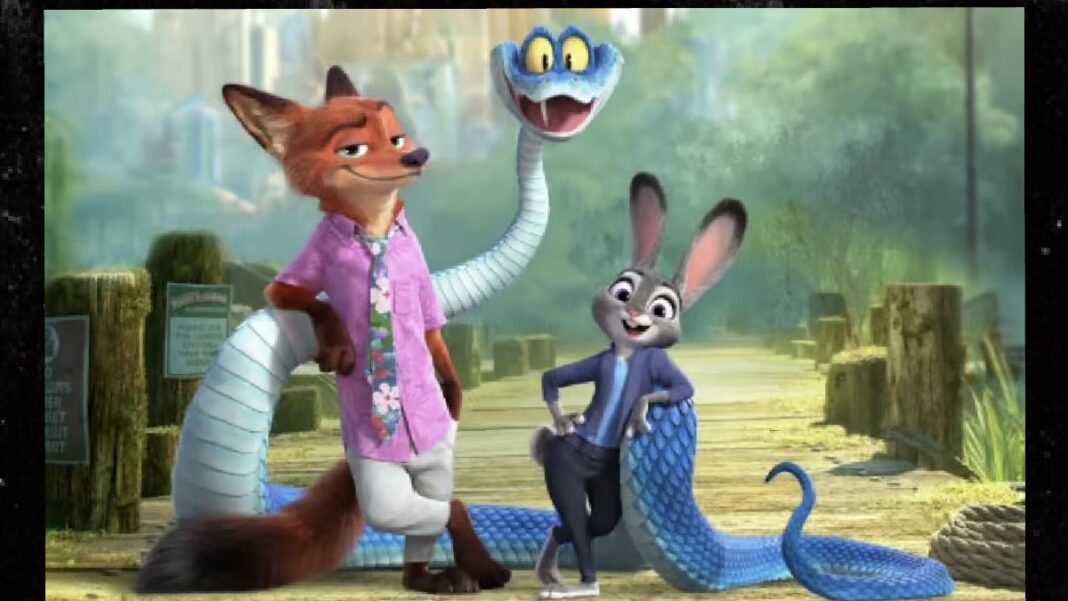
The story introduces Gary De’Snake (voiced by Ke Huy Quan), the first reptile to enter Zootopia in a century. Teaming up with Judy Hopps, Nick Wilde, and both new and returning characters, he works to uncover the truth behind the city’s troubled origins. Fan favorites such as Chief Bogo, Flash Slothmore, Gazelle, and Mr. Big all return, alongside new voice talent like Quinta Brunson and Patrick Warburton.

The film’s reception highlights a turning point for Disney. After years of public debate around the company’s approach to “wokeness,” Zootopia 2 demonstrates that socially conscious storytelling can be both commercially successful and widely embraced. Audiences awarded the film an A CinemaScore, while Rotten Tomatoes viewers rate it at 95%, surpassing the first film’s score.
Critics have praised the sequel for its ability to translate complex themes into a child-friendly narrative without sacrificing humor, charm, or pace. By connecting the original film’s messages about prejudice with this chapter’s anti-colonial storyline, Zootopia 2 reinforces the idea that animated films can tackle relevant, challenging topics and still thrive at the box office.
For UK and global audiences alike, Zootropolis 2 proves that Disney can engage with serious subjects and deliver mainstream success—showing that, at least in this case, “woke wins.”