The World’s Biggest Metropolis Now Has 42 Million Residents Can You Name It?
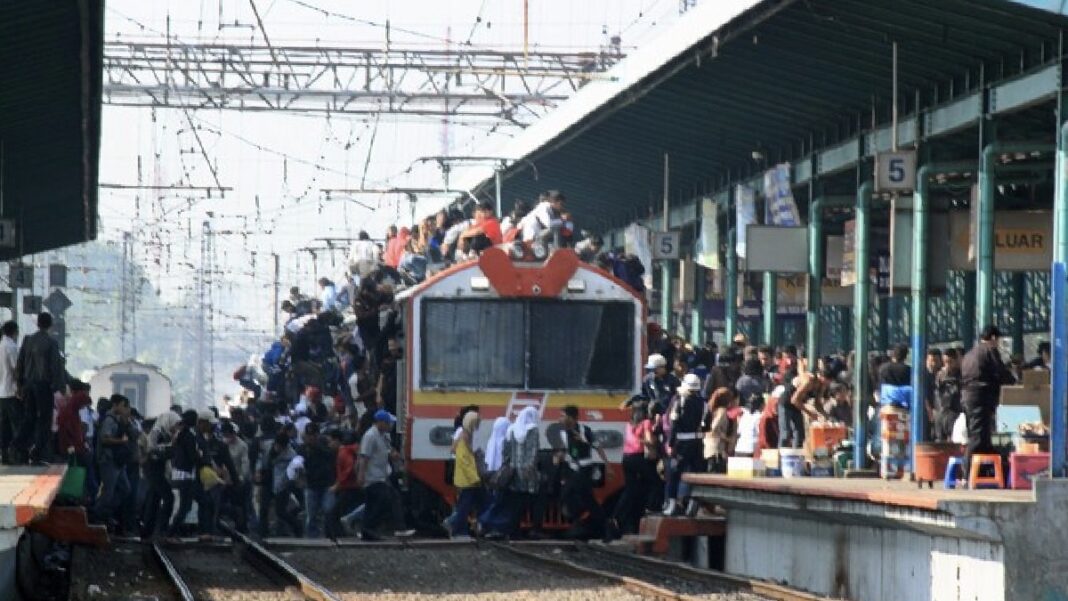
Jakarta has officially become the world’s most populous metropolis, pushing past long-time leader Tokyo as well as megacities like Cairo, São Paulo and Dhaka, according to a new report from the United Nations.
The Indonesian capital and its wider urban region — known as Jabodetabek — now houses nearly 42 million people, cementing its position as the planet’s fastest-growing megacity. The core province alone, DKI Jakarta, packs over 11 million residents into one of the most densely populated areas on Earth.
A Growing Giant Facing Increasing Strain
The city’s explosive population growth has intensified pressure on already overstretched systems, from transportation networks to basic infrastructure. Roads remain chronically congested, while public services struggle to keep pace with demand.
Jakarta’s rapid expansion is unfolding alongside a far more alarming trend: the city is sinking.
Scientists Warn 95% of North Jakarta Could Be Underwater by 2050
Research from the Bandung Institute of Technology shows that North Jakarta has sunk 2.5 meters in the past decade and continues to subside by up to 25 centimeters per year — more than double the global rate for coastal megacities.
Nearly half of Jakarta already lies below sea level, and projections suggest as much as 95% of North Jakarta could be submerged by 2050 if no drastic action is taken.
The city’s geography makes it particularly vulnerable. Built on swampy ground, flanked by the Java Sea, and intersected by 13 rivers, Jakarta is prone to severe flooding.
But scientists note that its overreliance on groundwater extraction is the primary driver of land subsidence. Weak regulation means almost anyone can drill their own wells, causing the land above to collapse.
Building Boom Continues Despite Rising Risks
Despite clear environmental warnings, development in North Jakarta shows no sign of slowing. More luxury apartments and high-rise projects continue to break ground.
“We urged the government to stop new construction,” said Eddy Ganefo of the Indonesian Housing Development Association. “But as long as apartments sell, development will continue.”

Indonesia’s $40 Billion Sea Wall Plan Sparks Controversy
To combat rising sea levels and protect the capital, the government is moving ahead with a $40 billion sea wall megaproject.
Completion target: 2030
Fully sealed reservoir by: 2050
Intended to reduce groundwater use by supplying stored rainwater
However, environmental experts warn the structure could disrupt marine ecosystems, alter currents, worsen coastal erosion and trap polluted river water, creating a stagnant and toxic bay.
New Capital Nusantara Takes Shape in the Jungle
Indonesia is also pursuing a far more dramatic solution: moving the nation’s capital.
Construction of Nusantara, a planned eco-friendly city in Borneo, began in 2022 and is expected to cost around $35 billion. The project is divided into five phases and scheduled for completion by 2045.
But the plan has drawn significant criticism for cutting into protected rainforests, threatening endangered species, and displacing Indigenous communities.
A Megacity at a Turning Point
Jakarta’s new status as the world’s largest metropolis underscores both its global significance and its growing vulnerability.
As the population surges past 42 million, the city faces urgent questions about sustainability, environmental protection and the future of Indonesia’s urban development.
Whether Jakarta can adapt — or whether Nusantara will become its long-term replacement — remains one of Southeast Asia’s most closely watched stories.