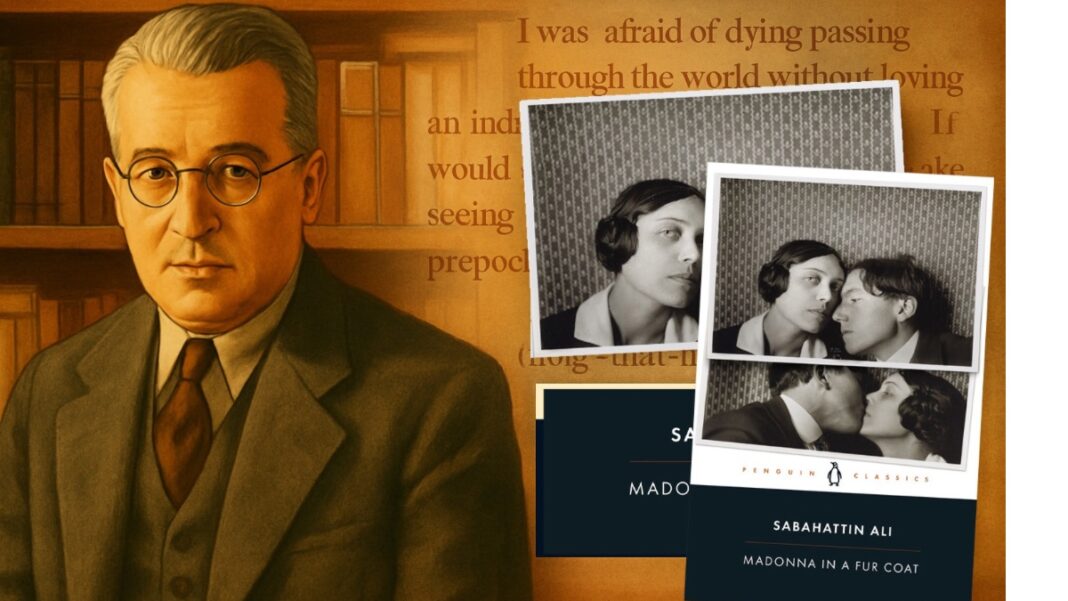
It’s not just a book; it’s a window into your soul
In a surprising turn for Britain’s literary scene, a 1943 Turkish novel has become one of the UK’s bestselling classics of 2025. Madonna in a Fur Coat by Sabahattin Ali has outsold timeless favourites such as Pride and Prejudice, with nearly 30,000 copies sold this year. The novel, first published in English by Penguin in 2016, captures themes of loneliness, regret, and the ache of unfulfilled love—resonating deeply with a new generation of readers.
Last year, Fyodor Dostoyevsky’s White Nights led the Penguin Classics list with more than 100,000 sales, but the trend has shifted toward stories of quiet despair and emotional intensity. Both White Nights and Madonna in a Fur Coat are enjoying viral success, fuelled by TikTok and the growing “sad-book” culture among young readers.
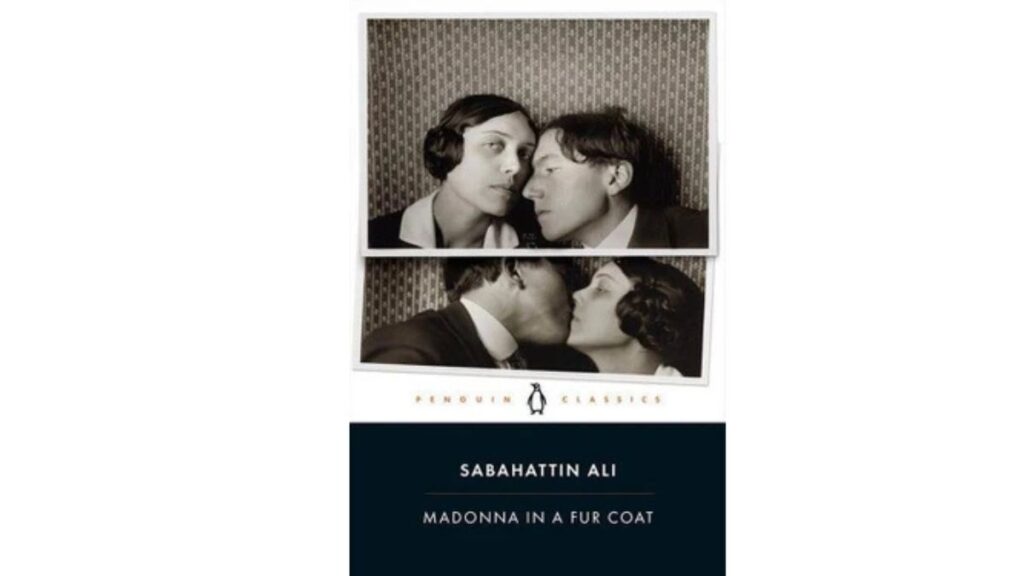
Book influencer Jack Edwards, whose videos reach millions, described Madonna in a Fur Coat as “not just a novel but a window to my soul.” His post on White Nights called it “the most relatable love story I’ve ever read.” The combination of short-form video storytelling and timeless emotional depth has helped propel these melancholy titles to the top of the charts.
According to editors at Penguin Classics UK, the renewed popularity of these works reflects how readers in uncertain times turn to literature that explores isolation, fear, and human connection. Written amid political and social upheaval, the novels ask enduring questions about how to live when the world feels unstable.
Alongside Ali and Dostoyevsky, other authors of dark, introspective works—such as Japan’s Osamu Dazai and Denmark’s Tove Ditlevsen—are also seeing a rise in interest. Responding to the trend, Penguin has revived its “International Writers” series, spotlighting emotionally charged translations including Ágota Kristóf’s I Don’t Care.
Ultimately, the success of Madonna in a Fur Coat signals a new phase for classic literature in the digital age: one where melancholy, vulnerability, and emotional honesty speak more loudly to readers than ever before.
Source: the guardian